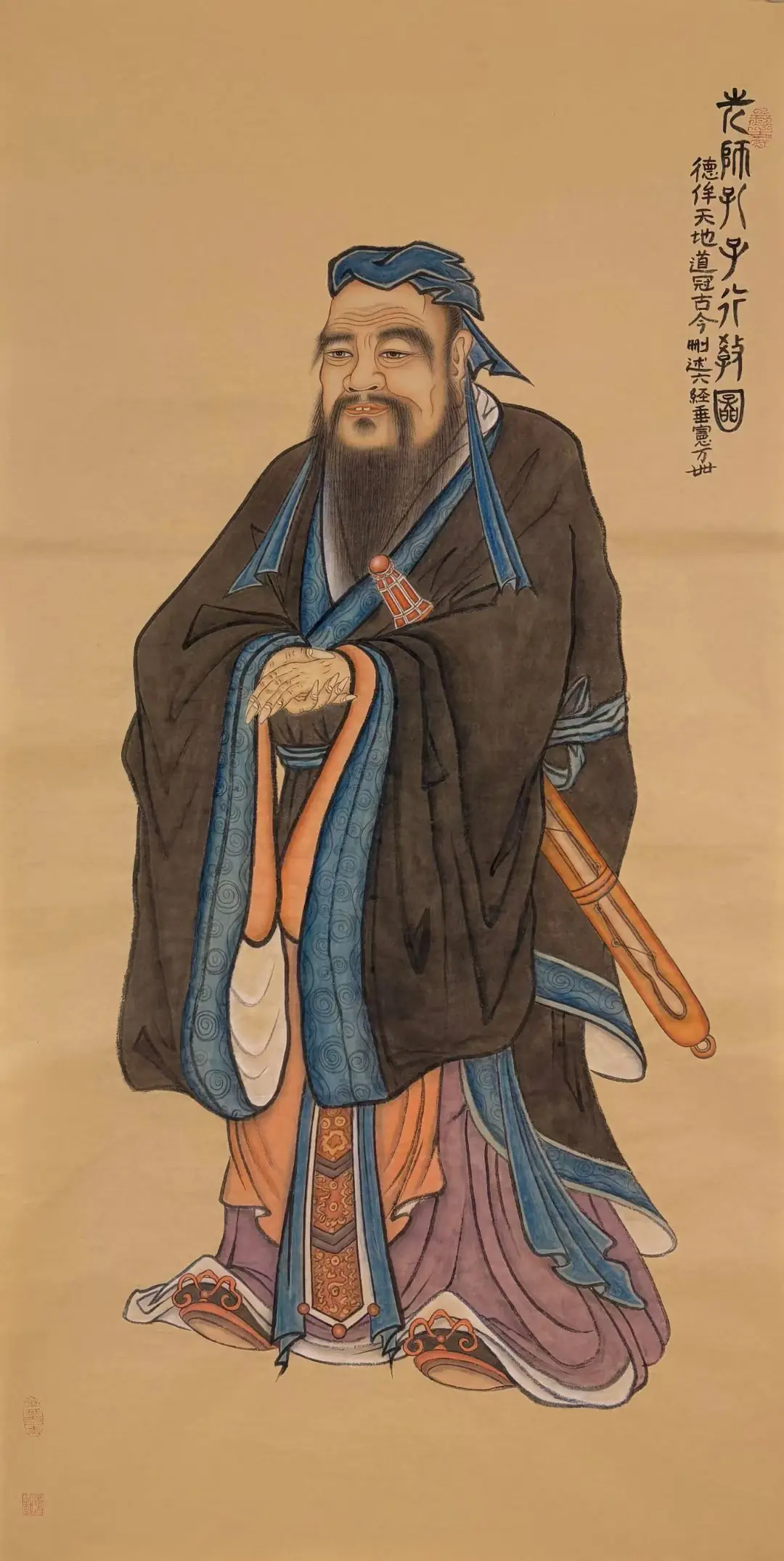
The Original Quote:
孔子曰:“不知命,无以为君子也;不知礼,无以立也;不知言,无以知人也。”
Kǒngzǐ yuē: “Bù zhī mìng, wú yǐ wéi jūnzǐ yě; bù zhī lǐ, wú yǐ lì yě; bù zhī yán, wú yǐ zhī rén yě.”
English Translation:
Confucius said: “Without understanding the Mandate of Heaven, one cannot become an exemplary person; without comprehending ritual propriety, one cannot establish oneself; without discerning speech, one cannot know others.”
Key Concepts Explained:
- 命 (Mìng): The Mandate of Heaven or destiny—the moral order of the universe that a virtuous person accepts and aligns with, not fatalism but a call to ethical duty.
- 礼 (Lǐ): Ritual propriety—the body of customs, rites, and social norms that cultivate harmony and define one’s role in family and society.
- 君子 (Jūnzǐ): The exemplary person—an ideal of moral cultivation and leadership, not by birth but by character.
- 言 (Yán): Speech or words—discerning the intent, sincerity, and character behind language to understand others truly.
Cultural Context:
This passage concludes the Analects, encapsulating Confucius’s vision for the cultivated individual. Composed during the Warring States period, it reflects a time of social chaos when Confucius sought to revive ethical governance. “知命” (knowing destiny) grounds the person in cosmic morality; “知礼” (knowing ritual) provides social structure; “知言” (knowing speech) enables wise judgment. Together, they form a practical curriculum for the jūnzǐ, who was expected to bring order to family, state, and world.