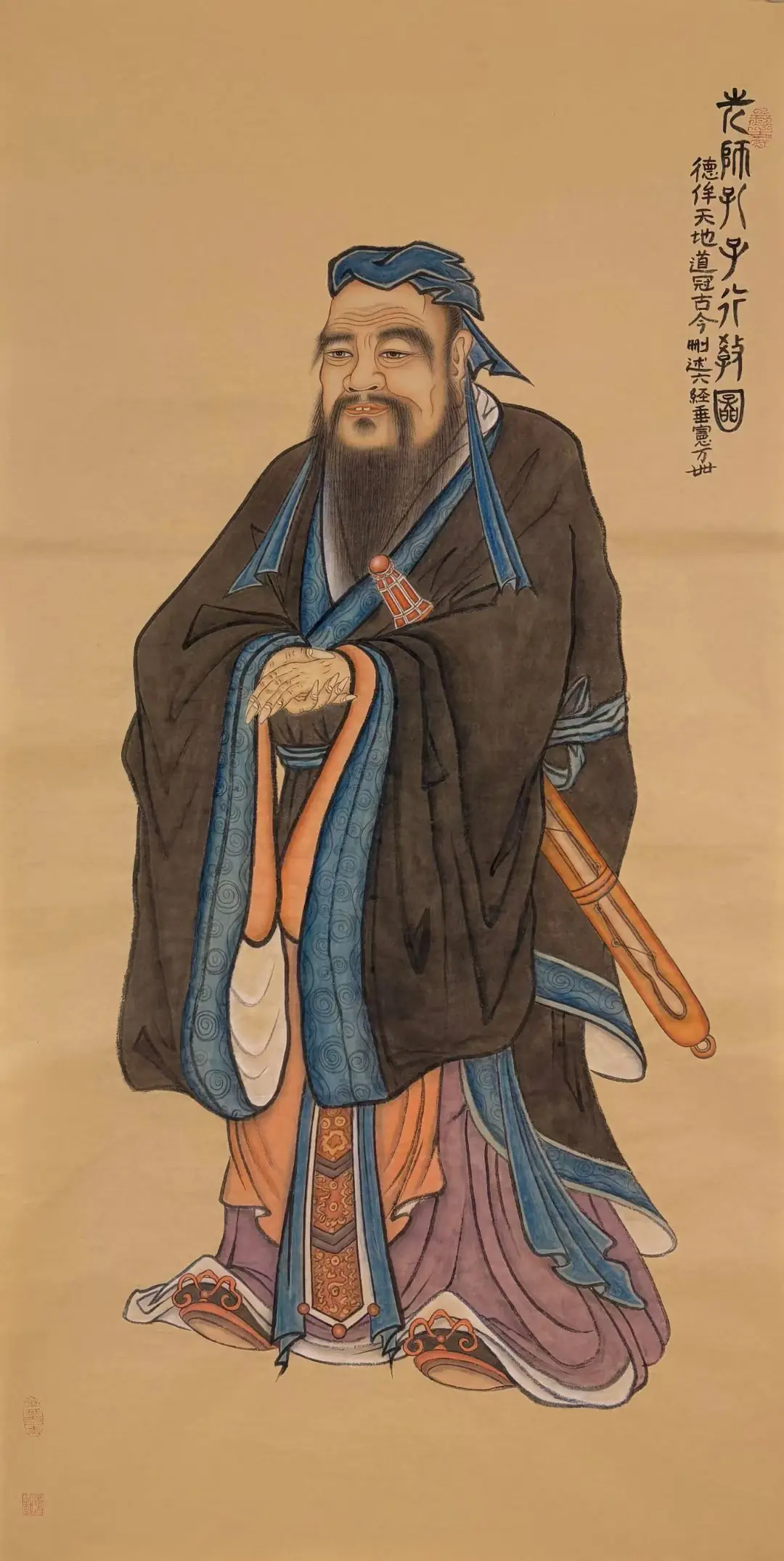
The Original Quote:
子夏曰:“百工居肆以成其事,君子学以致其道。”
Zǐ Xià yuē: “Bǎi gōng jū sì yǐ chéng qí shì, jūn zǐ xué yǐ zhì qí dào.”
English Translation:
Zixia said: “As artisans labor in their workshops to perfect their crafts, so the noble man devotes himself to learning in order to attain the Way.”
Key Concepts Explained:
- 道 (Dào): The Way — the ultimate moral path and cosmic order that a noble man (君子, jūn zǐ) seeks to embody through virtue and right conduct.
- 学 (Xué): Learning — not mere bookish study, but a lifelong process of self-cultivation that integrates knowledge with ethical action.
- 君子 (Jūn Zǐ): The noble man or exemplary person — an ideal of moral character who leads through virtue rather than birthright.
- 致 (Zhì): To attain or realize — here, actively bringing the Way into one’s life through disciplined effort.
Cultural Context:
This passage from the Analects (Lunyu 19.7) reflects a core Confucian tenet: moral excellence is not innate but cultivated through diligent learning. Zixia, a disciple of Confucius, draws a vivid analogy between the work of artisans (百工, bǎi gōng) and the scholar’s quest for 道 (dào). In ancient China, workshops were bustling hubs of specialized skill; similarly, the noble man’s “workshop” is the mind and heart, refined through study, reflection, and practice. This teaching underscores Confucianism’s emphasis on education as the foundation for personal and societal harmony—a radical idea in a feudal society where status was often inherited. The phrase “学以致道” (xué yǐ zhì dào) became a guiding principle for generations of scholars, linking intellectual pursuit to moral responsibility, and remains a touchstone in East Asian educational philosophy today.