The Original Quote:
子夏曰:“仕而优则学,学而优则仕。”
Zǐ Xià yuē: "Shì ér yōu zé xué, xué ér yōu zé shì."
English Translation:
"When one has surplus energy in office, let him devote it to learning; when one has surplus energy in learning, let him devote it to office."
Key Concepts Explained:
- Yōu (优): Here meaning "surplus energy" or "having leisure," not "excellence" as commonly misconstrued. It denotes the capacity for additional pursuit after fulfilling primary duties.
- Shì (仕): To serve in office, embodying the Confucian ideal of public service (jīngshì jì mín, 经世济民) as a means of moral and social cultivation.
- Xué (学): Learning, encompassing both the study of classical texts (like the Six Arts) and the reflective practice of self-cultivation (xiū shēn, 修身).
- Rén (仁): Benevolence or humaneness, the core virtue underlying all Confucian action—both in office and in study—as a continuous process of ethical refinement.
Cultural Context:
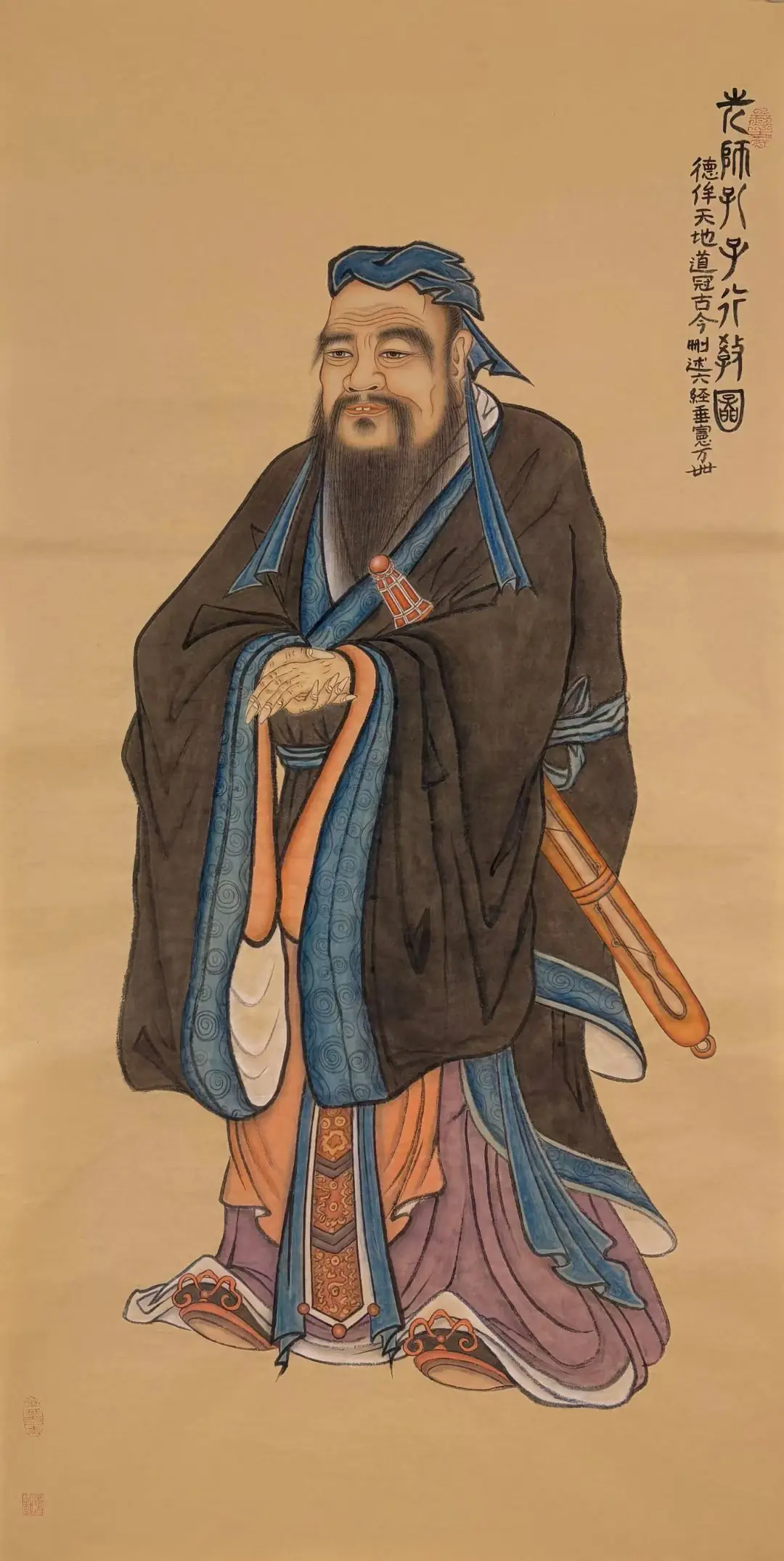
Attributed to Zǐ Xià, a disciple of Confucius, this passage from the Analects (Lúnyǔ, 论语) articulates a dynamic, non-linear relationship between learning and governance—a cornerstone of Confucian education. Historically, it countered the view that office and study were separate pursuits; instead, Confucius taught that both are interdependent phases of a lifelong moral praxis. The phrase is often misread as "excel in study to become an official," leading to a narrow instrumentalism that ignores the reciprocal duty of officials to continue learning. In its true sense, it advocates for a balanced cycle: governance without learning risks error (as with the Han official Huò Guāng, whose lack of deep study led to familial ruin), while learning without application remains sterile. This principle shaped China’s civil service ethos, where officials like the Song chancellor Wáng Ān Shí combined diligent study with active governance, reading through the night even in high office. The saying thus underscores a holistic vision—neither pure scholasticism nor mere pragmatism, but a continuous dialectic where each sphere enriches the other.