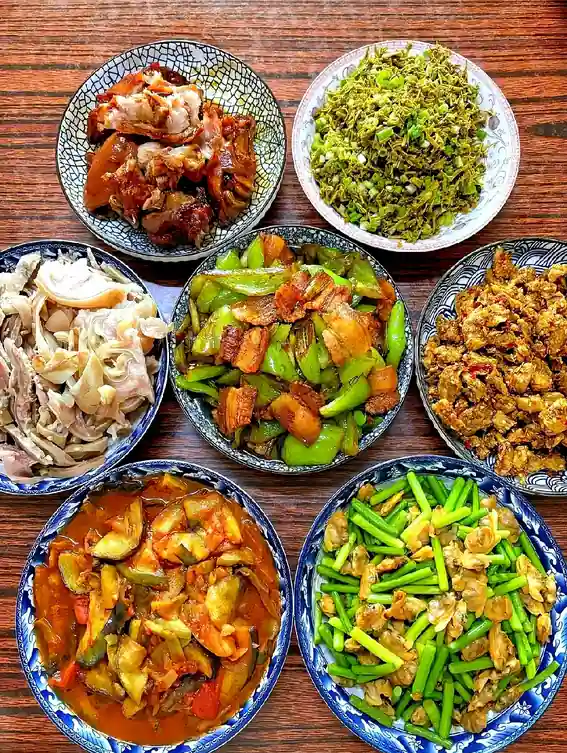
In Chinese cooking, spices are used extensively—for example, braised pork belly commonly features star anise and cinnamon, while Sichuan and Chongqing spicy hotpot and Cantonese master stock use twenty to thirty different spices. The use of spices also reflects distinct regional characteristics: Sichuan-Chongqing hotpot must include local spices like patchouli and nardostachys to deepen the aroma, while Cantonese master stock always incorporates monk fruit, whose subtle sweetness makes the stock more mellow. Additionally, many commercially available meat dishes—such as roast chicken, soy-braised meat, spicy dry pot, and spicy hot pot—rely on spices. Without spices, Chinese cuisine would lose much of its brilliance and many of its unforgettable flavors. The world of spices is vast and profound; here I simply share my experience using some basic, everyday spices, offering a preliminary understanding for those new to them.
Spices are aromatic plant-based substances used to enhance the flavor, aroma, and color of food, typically derived from seeds, bark, roots, fruits, or other plant parts.
Unlike other seasonings, spices are essentially medicinal herbs that can have therapeutic effects when used in sufficient quantities. However, in Chinese cooking, spices are employed in very small amounts primarily to remove unwanted odors and enhance aroma, so there's no need to worry about any adverse effects on the body. Some legendary recipes were actually created by renowned physicians, originally intended as remedies for ailments, but inadvertently gave birth to a delicious dish.
Before learning to use spices, it is important to understand that just as Chinese medicinal herbs have synergistic and antagonistic relationships, spices must also be combined according to the characteristics of the ingredients to achieve harmony and a lingering aftertaste. Start by familiarizing yourself with the aromas and medicinal properties of each spice, smell them alongside the ingredients to see if their scents complement each other, and determine whether cooking them together will be beneficial or harmful to the person eating the dish.

Before using spices, it is recommended to lightly toast them in a dry pan over low heat to release their essential oils, then grind or crush them just before adding to your dish for maximum flavor and aroma.
First rinse with warm water to remove surface dust; if stir-frying directly in the pan, soaking briefly beforehand also allows the spices to cook longer in the oil, helping their flavors release more fully.
Tips for selecting spices
Many spice vendors spray water on their spices to increase weight and profit margins, so when selecting spices, first check if they feel damp—if they are noticeably moist, they have likely been sprayed. Sprayed spices not only have compromised flavor but are also more prone to spoilage, so be cautious when purchasing. Buying from a pharmacy is a good alternative.
Additionally, some spices come in two different forms with different prices. For example, with white cardamom, the cheaper variety is coated in a lime-like substance, making it heavier and particularly white in color, while the more expensive white cardamom retains its natural appearance, a pale yellow. Between the two, the latter has a purer flavor, so be sure to distinguish them.