Pinyin: Hupo
Aliases
Yupei, Jiangzhu, Xuepo, Guangpo.
Source
The fossilized resin of ancient Pinaceae plants, buried underground for many years and transformed into a fossil-like substance.
Distribution
Produced in Liaoning, Henan, Guangxi, Guizhou, Yunnan and other provinces.
Harvesting and Processing
After excavating from geological strata or coal seams, remove impurities such as sand, gravel, and soil.
Medicinal Properties
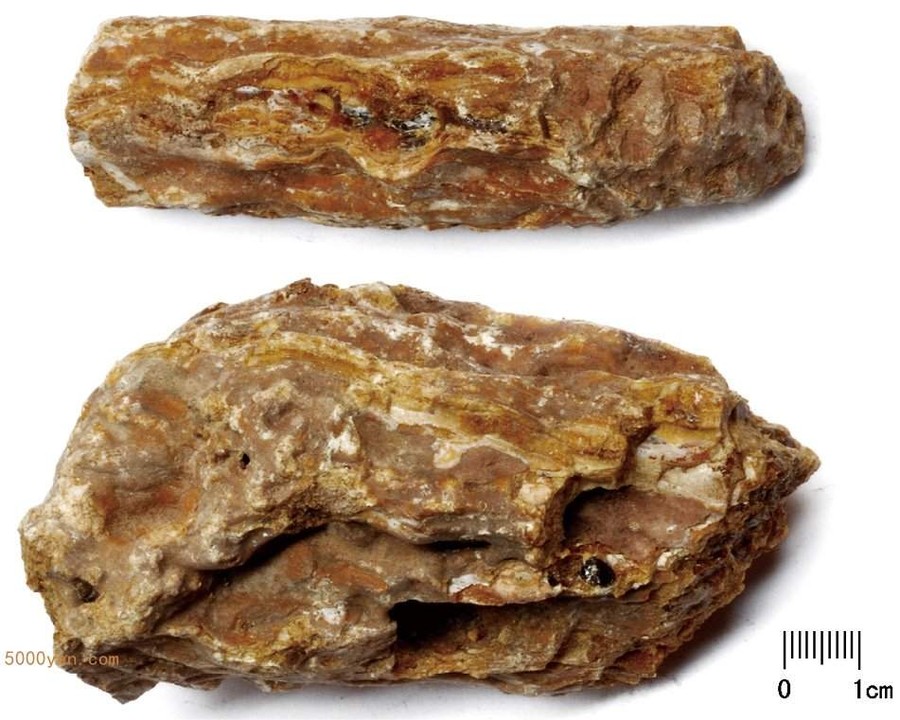
This product consists of irregular lumps, stalactitic forms, and coarse granules. The lumps vary in size; the stalactitic forms are 1-4.5 cm in diameter and up to 7 cm long. The surface is smooth or uneven, with blood-red, pale yellow, pale brown, or dark brown colors often arranged in alternating layers; the streak is white. It is transparent to translucent with a resinous luster. The material is relatively light, brittle, and easily broken when rubbed. The fracture surface is smooth with a glassy luster. When rubbed, it exhibits electrical properties and can attract rush pith or thin paper. It has a slight pine resin odor and a bland taste; it crumbles easily when chewed, with no gritty sensation. The best quality is characterized by uniform lumps, red color, brittle texture, and a bright fracture surface.
Chemical Constituents
Mainly contains resin, volatile oil, dihydroabietic acid, succinooxyabietic acid, succinoabietinol acid, succinosilvic acid, succinoresinol, succinoabietinol, succinic acid, and others.
Properties and Channel Entry
Sweet, neutral. Enters the Heart, Liver, and Bladder channels.
Functions and Indications
Calms palpitations and tranquilizes the Spirit, disperses stasis and stops bleeding, promotes urination and relieves painful urinary dribbling, removes nebula and brightens the eyes. Indications: palpitations and insomnia due to fright, convulsions and epilepsy, Blood stasis amenorrhea, postpartum stasis abdominal pain, abdominal masses, painful urinary dribbling with hematuria, blurred vision with nebula, and sores and toxic swellings.
Dosage and Administration
Internal use: grind into powder, 1-3 g; or made into pills or powder. External use: appropriate amount, apply as powder; or use as eye drops.
Precautions and Contraindications
Patients with Yin deficiency and internal Heat or without Blood stasis should use with caution.
Prescriptions
1. For all carbuncles, deep-rooted sores, hemorrhoids, fistula, and persistent bleeding: Hupo (Amber) 0.6-0.9 g, grind into a very fine powder. Apply the powder to the affected area to stop bleeding and promote wound closure. For persistent purulent discharge, wash the area with a decoction of Huangshukui Hua (Abelmoschus manihot flowers). (Wen Tang Ji Yan Fang) 2. For incised wounds with bleeding that will not stop, apply this to prevent scarring: Hupo Xie (Amber shavings), Jiangxiang Zhen Mu (genuine Dalbergia odorifera heartwood), and Xuejie (Dragon's Blood), equal parts. Grind into a very fine powder and apply to the wound. (Zhang Shi Yi Tong, Zi Jin Dan) 3. For strangury (painful, frequent urination): grind Hupo (Amber) into a fine powder (amount not specified), grind Shexiang (Musk) into powder, and take both with warm plain water. (Pu Ji Fang) 4. For hematuria (blood in urine): grind Hupo (Amber) into powder. Take 6 g per dose, mixed with a decoction of Dengxincao (Juncus medulla) and Bohe (Mentha haplocalyx). (Wei Sheng Yi Jian Fang) 5. For urinary retention in the elderly and debilitated: grind Hupo (Amber) into a fine powder. Take 3 g per dose, mixed with a decoction of Renshen (Panax ginseng). (Bai Yi Xuan Fang) 6. For corneal opacity (eye nebula): grind Hupo (Amber) into a very fine powder and apply directly into the eye. (Pu Ji Fang)