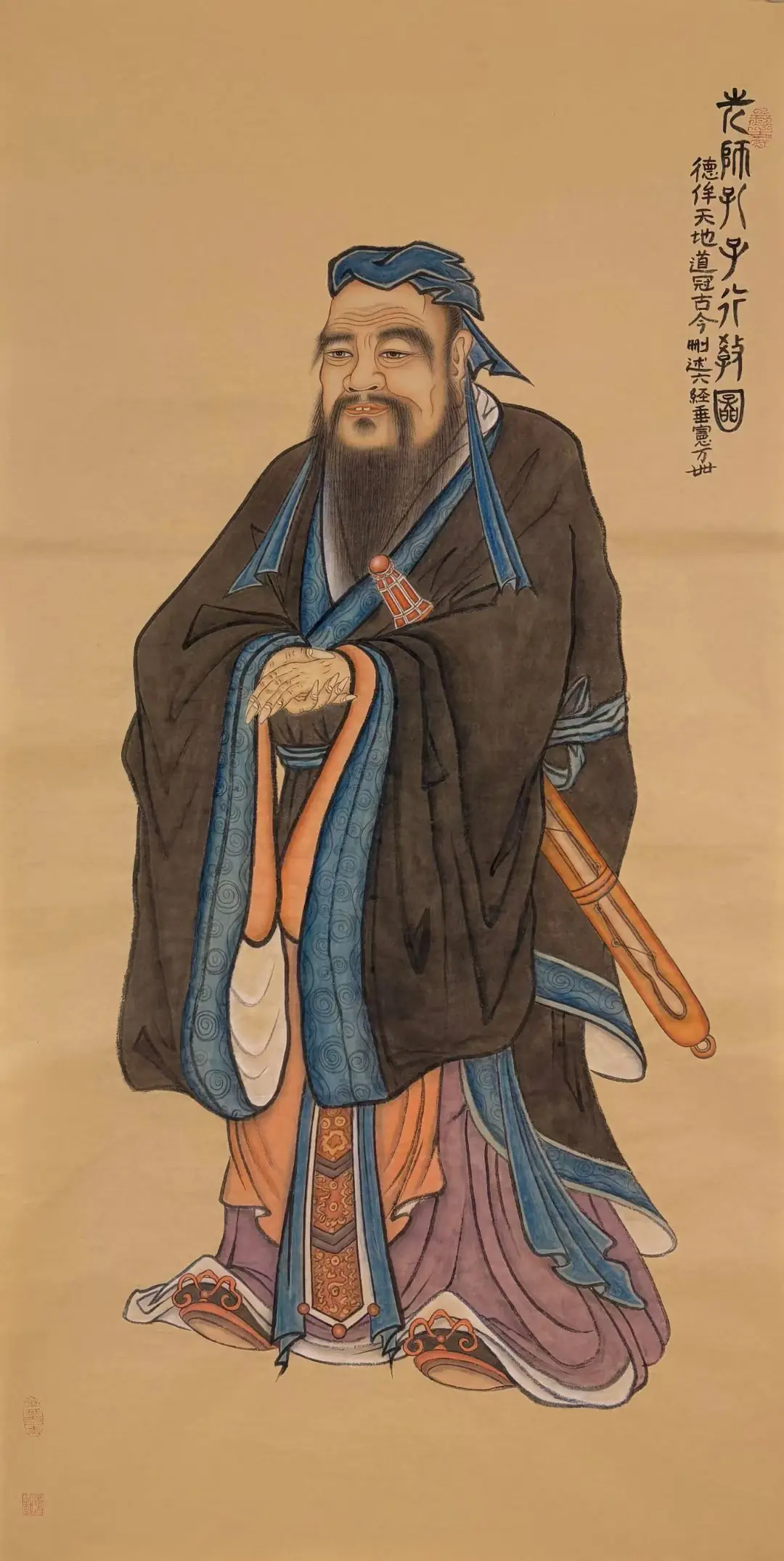
The Original Quote:
子曰:“君子不重则不威,学则不固。主忠信,无友不如己者,过则勿惮改。”
Zǐ yuē: “Jūnzǐ bù zhòng zé bù wēi, xué zé bù gù. Zhǔ zhōng xìn, wú yǒu bù rú jǐ zhě, guò zé wù dàn gǎi.”
English Translation:
The Master said: “If a noble person (jūnzǐ) is not dignified, he commands no authority, and his learning, however pursued, shall lack firmness. Let loyalty (zhōng) and trustworthiness (xìn) be his guiding principles; let him not befriend those who are less virtuous than himself; and when faults arise, let him not fear to amend them.”
Key Concepts Explained:
- Noble Person (jūnzǐ 君子): The Confucian ideal of an ethically cultivated individual, whose conduct embodies moral excellence and social responsibility.
- Loyalty (zhōng 忠): Wholehearted commitment to one’s duties and relationships, grounded in sincerity and devotion to principle.
- Trustworthiness (xìn 信): Reliability and faithfulness in word and deed, a cornerstone of interpersonal integrity.
- Dignity (zhòng 重): Inner seriousness and composure that manifests as outward gravitas, earning natural respect from others.
Cultural Context:
This passage from the Analects (Lúnyǔ 論語) encapsulates Confucius’s vision of self-cultivation as a holistic process linking inner virtue with outer demeanor. In the Spring and Autumn period (770–476 BCE), social order was eroding, and Confucius (551–479 BCE) sought to restore harmony through personal moral development. The teaching underscores that dignity arises not from status but from self-discipline; learning is fortified by ethical grounding; and friendship should elevate character. The final admonition—to face faults without fear—reflects a core Confucian belief in continuous self-improvement as a path to sagehood, profoundly influencing East Asian education and social ethics for over two millennia.