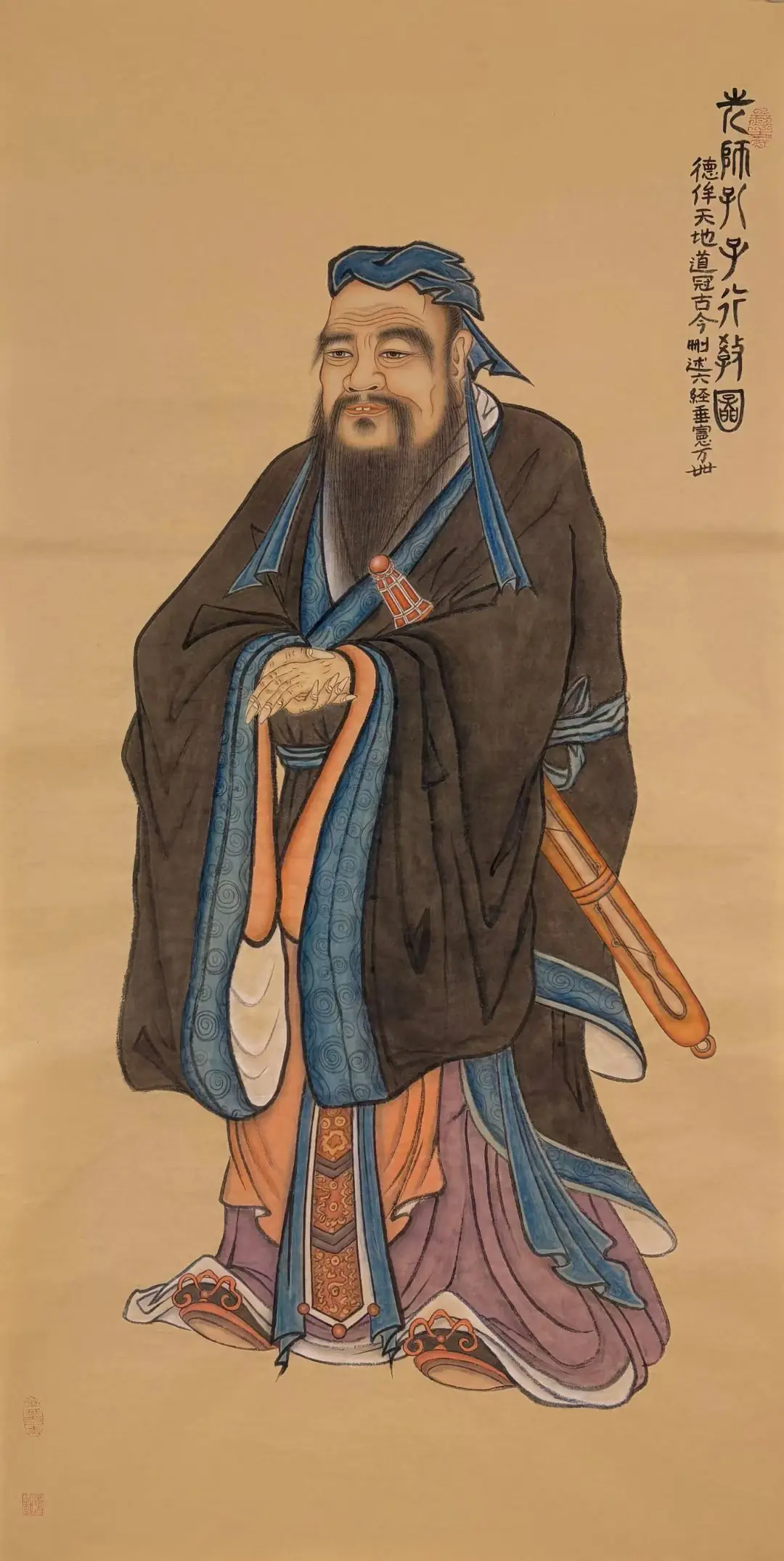
The Original Quote:
子曰:“学而时习之,不亦说乎?有朋自远方来,不亦乐乎?人不知而不愠,不亦君子乎?”
Zǐ yuē: “Xué ér shí xí zhī, bù yì yuè hū? Yǒu péng zì yuǎnfāng lái, bù yì lè hū? Rén bù zhī ér bù yùn, bù yì jūnzǐ hū?”
English Translation:
The Master said: “To learn and to practice what is learned at proper times—is this not a joy? To have friends come from afar—is this not a delight? To remain unresentful when others do not know you—is this not the mark of a noble person (jūnzǐ)?”
Key Concepts Explained:
- Learning and Practice (xué ér shí xí): Refers to the integration of knowledge with habitual moral action; "shí" implies timely repetition in daily conduct.
- Joy (yuè) and Delight (lè): Distinguish inner spiritual satisfaction from outward social happiness, both rooted in virtue.
- Noble Person (jūnzǐ 君子): An ideal of moral character cultivated through self-discipline and ren (仁, benevolence).
- Not Knowing (rén bù zhī): Reflects the Confucian value of inner composure (bù yùn, without resentment) when unrecognized by others.
Cultural Context:
These opening lines of the Analects establish Confucius’s educational philosophy as a path of moral self-cultivation, not mere intellectual accumulation. In ancient China, learning (xué) was inseparable from ethical practice (xí), shaping conduct in family, state, and society. The emphasis on joy in solitary practice, fellowship with like-minded friends, and equanimity under neglect reflects the Confucian ideal of a harmonious inner life. This passage has inspired centuries of scholars to pursue virtue as the foundation of personal and social order, influencing East Asian education and governance to this day.