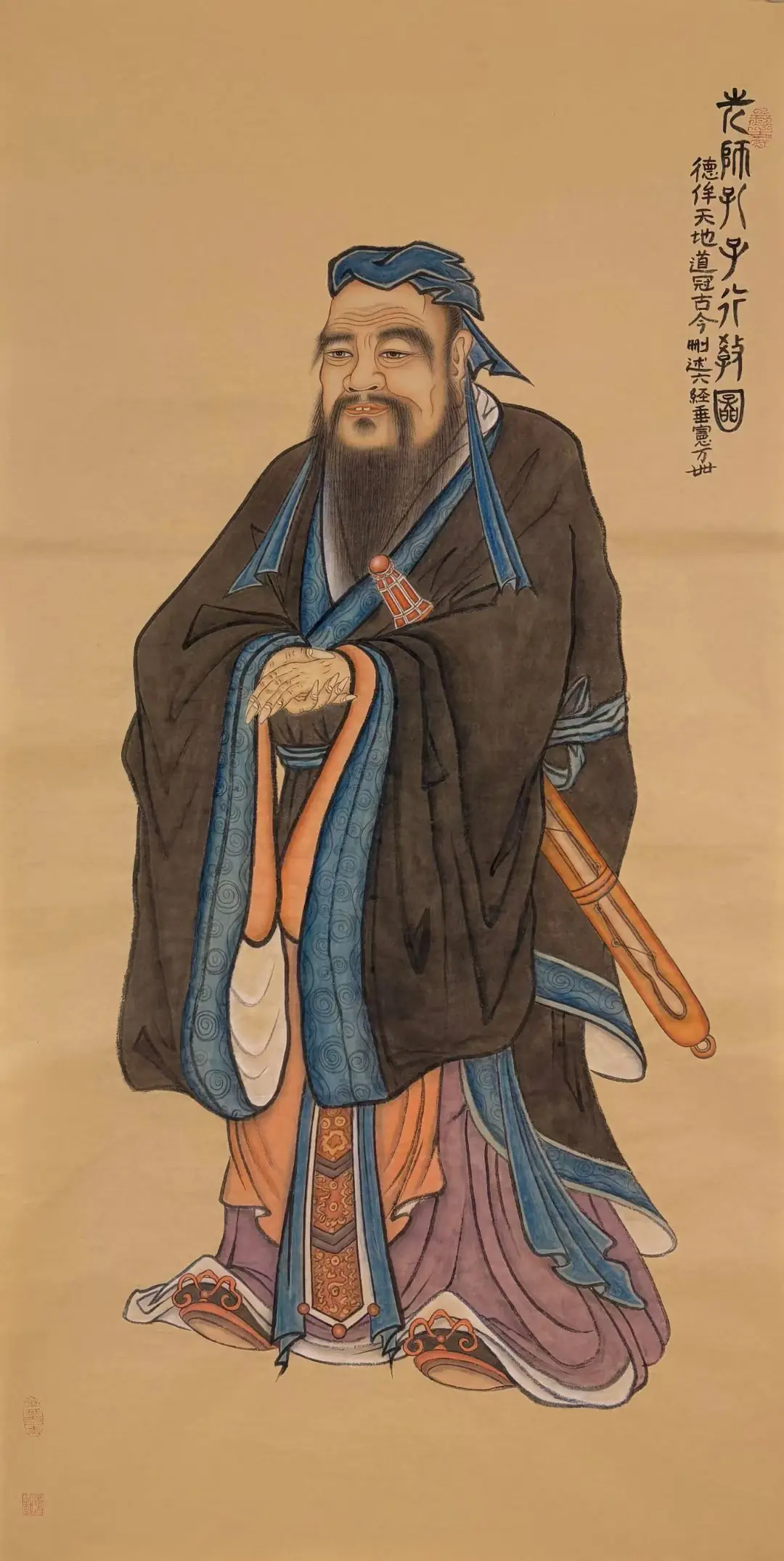
The Original Quote:
曾子曰:“慎终追远,民德归厚矣。”
Zēngzǐ yuē: “Shèn zhōng zhuī yuǎn, mín dé guī hòu yǐ.”
English Translation:
Master Zeng said: “By attending with utmost care to the funeral rites of parents and reverently commemorating the distant ancestors, the people’s virtue will return to its depth and sincerity.”
Key Concepts Explained:
- 慎终 (Shèn zhōng): “Careful end” – the solemn and filial attention given to the final rites for one’s parents, reflecting deep respect and the completion of filial duty.
- 追远 (Zhuī yuǎn): “Pursue the distant” – the act of honoring and remembering ancestors through ritual sacrifices, linking the present generation to its moral and historical roots.
- 德 (Dé): “Virtue” – the inner moral quality cultivated through proper conduct, especially in family and social relationships.
- 礼 (Lǐ): “Ritual propriety” – the system of rites and ceremonies that structure social order and moral education, central to Confucian thought.
- 孝 (Xiào): “Filial piety” – the foundational virtue of devotion to parents and ancestors, seen as the root of loyalty and social harmony.
Cultural Context:
This passage from the Analects reflects the Confucian emphasis on ritual as a tool for moral cultivation. Master Zeng (Zengzi), a disciple of Confucius, underscores that proper mourning and ancestral worship are not mere formalities but essential practices that nurture humility, gratitude, and social cohesion. In Confucian ethics, filial piety (xiào) is the bedrock of loyalty (zhōng); thus, by honoring the dead, the living learn to uphold virtue and stability in both family and state. Confucius himself, while skeptical of supernatural beings, advocated these rites for their educational power—shaping individuals into “gentlemen” (jūnzǐ) of integrity. Historically, this teaching reinforced the ancestral cult in Chinese society, embedding a sense of historical continuity and moral duty that transcends generations.