The Original Quote:
子禽问于子贡曰:“夫子至于是邦也,必闻其政,求之与,抑与之与?”子贡曰:“夫子温、良、恭、俭、让以得之。夫子之求之也,其诸异乎人之求之与?”
Zǐqín wèn yú Zǐgòng yuē: “Fūzǐ zhì yú shì bāng yě, bì wén qí zhèng, qiú zhī yú, yì yǔ zhī yú?” Zǐgòng yuē: “Fūzǐ wēn, liáng, gōng, jiǎn, ràng yǐ dé zhī. Fūzǐ zhī qiú zhī yě, qí zhū yì hū rén zhī qiú zhī yú?”
English Translation:
Zi Qin asked Zi Gong: "When the Master arrives in a state, he invariably learns of its governance. Does he seek this knowledge, or is it offered to him?" Zi Gong replied: "The Master attains it through gentleness (wēn), goodness (liáng), respectfulness (gōng), frugality (jiǎn), and modesty (ràng). His manner of seeking—how different it is from that of others!"
Key Concepts Explained:
- Wēn (温): Gentleness or warmth—a demeanor that disarms and invites openness, reflecting inner harmony.
- Liáng (良): Goodness or innate kindness—a moral compass that earns trust and admiration.
- Gōng (恭): Respectfulness or reverence—a posture of humility toward others, especially those in authority.
- Jiǎn (俭): Frugality or restraint—self-discipline in desires, symbolizing integrity over extravagance.
- Ràng (让): Modesty or yielding—a willingness to defer, avoiding contention and fostering cooperation.
Cultural Context:
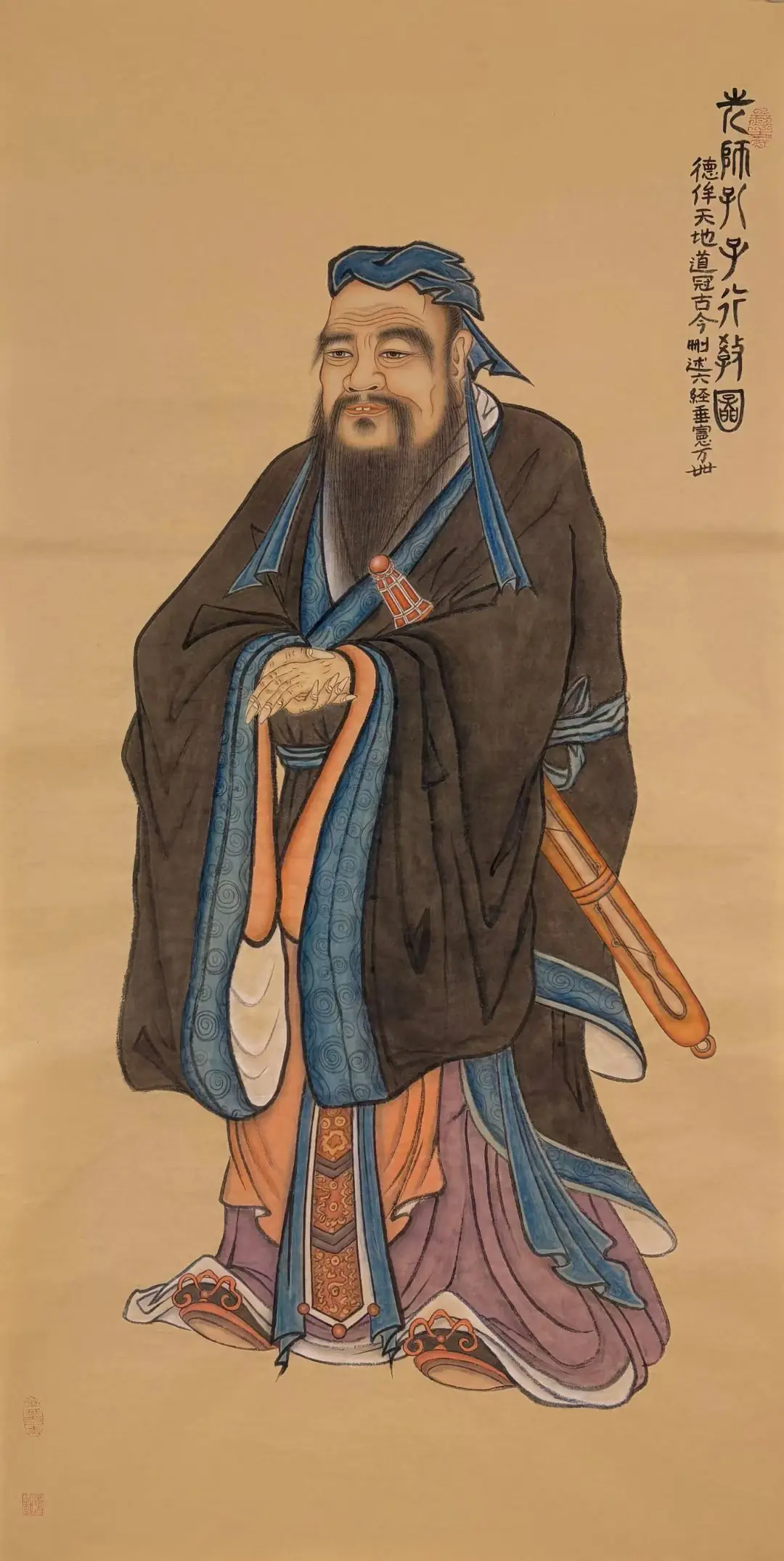
This passage from the Analects (Lunyu 1.10) captures a pivotal moment in Confucius' travels during the Spring and Autumn period (770–476 BCE), when he sought to influence warring states through moral persuasion rather than force. Zi Qin's curiosity reflects a common skepticism: How could a scholar without official rank access state secrets? Zi Gong's answer reveals Confucius' revolutionary insight—that true influence arises not from power or cunning, but from the cultivation of virtue (dé 德). By embodying these five qualities, Confucius transcended political barriers, earning the trust of rulers who saw in him a sage, not a rival. This anecdote underscores Confucianism's core belief: moral character is the foundation of social harmony and effective leadership, a principle that continues to resonate in East Asian educational and governance models today.