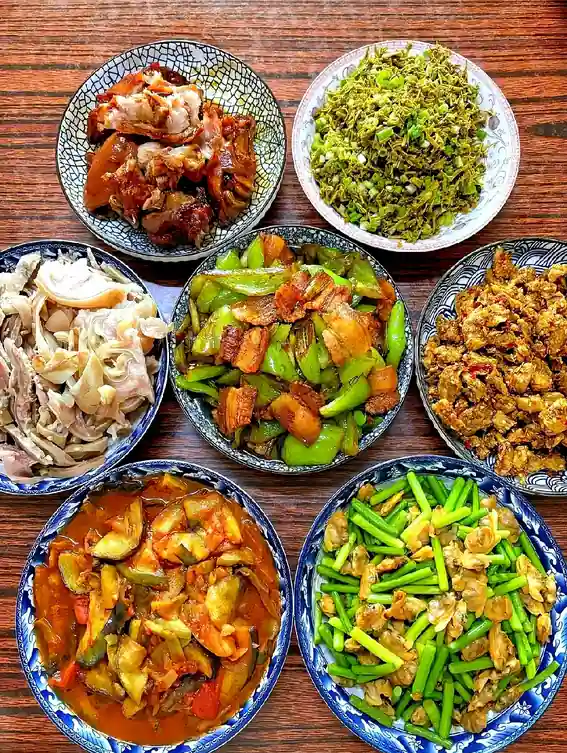

Blanching is more important than you might think: blanching meat helps remove unpleasant odors, while blanching vegetables enhances their color and also eliminates pesticide residues that washing alone can't remove. However, blanching is not as simple as just tossing ingredients into boiling water.
Key Tips
When blanching meat, always start with cold water; if you add meat to boiling water, the surface will cook and tighten immediately, trapping blood and impurities inside, which locks in unpleasant odors and results in a less flavorful finished dish.
Note
Note
The off-flavors in meat, such as the gamey taste of beef and lamb or the fishy smell of chicken, come not only from the ingredients themselves but also from the blood within the meat. During blanching, some of these odors break down, and the heating process also allows the blood to gradually seep out. If blanching alone isn't enough, you can first soak the meat in clean water for a period of time before blanching. Beef and lamb have stronger flavors and need a longer soak; chicken has a milder taste, so it can be soaked briefly or not at all.
Example: Bring a pot of water to a boil, add the ingredients and blanch briefly until just cooked or to remove impurities, then drain and rinse under cold water if needed.
Old Soup Lamb Spine

Key Tips
Leafy greens can be stir-fried directly without blanching, but blanching them first gives a crisper texture. If stir-fried raw, the cold greens lower the pan temperature, requiring longer cooking time to cook through, which causes excess water to leach out, turning a stir-fry into a stew—resulting in yellowed greens with a tough, overdone texture.
If you first quickly blanch the greens in boiling water, on one hand it removes excess moisture from the vegetables, and on the other hand it raises their temperature so that when you stir-fry them, the wok stays hot, maintaining high heat throughout the cooking process, which shortens the stir-fry time and prevents excessive moisture loss, resulting in crisp, tender, and refreshing greens.
Additionally, when blanching, it's best to add a pinch of salt and a drizzle of oil. The salt helps the greens release more chlorophyll, making their color more vibrant; the oil gives the ingredients a glossy sheen and helps retain heat, preventing them from cooling down too quickly.
Note
Note
After blanching, the greens must be stir-fried immediately, otherwise they will slowly turn yellow if left sitting for a while.
If you already added some oil during blanching, you only need to add a little more oil when stir-frying.
Example: Bring a pot of water to a boil, add the ingredients and blanch briefly until just cooked or to remove impurities, then drain and rinse under cold water if needed.
Iced Pepper and Cilantro Cauliflower

Key Tips
Blanching seafood is different from blanching meat—it requires adding the seafood to boiling water. Since seafood is essentially white meat with no blood and very little odor, and because it has a high moisture content, the blanching time should be as short as possible to maintain a crisp and tender texture; just a brief cook before removing it from the pot. Never add seafood to cold water—if you start it in cold water like you would with meat, the seafood will turn out tough and chewy, and its fresh flavor will be completely lost.