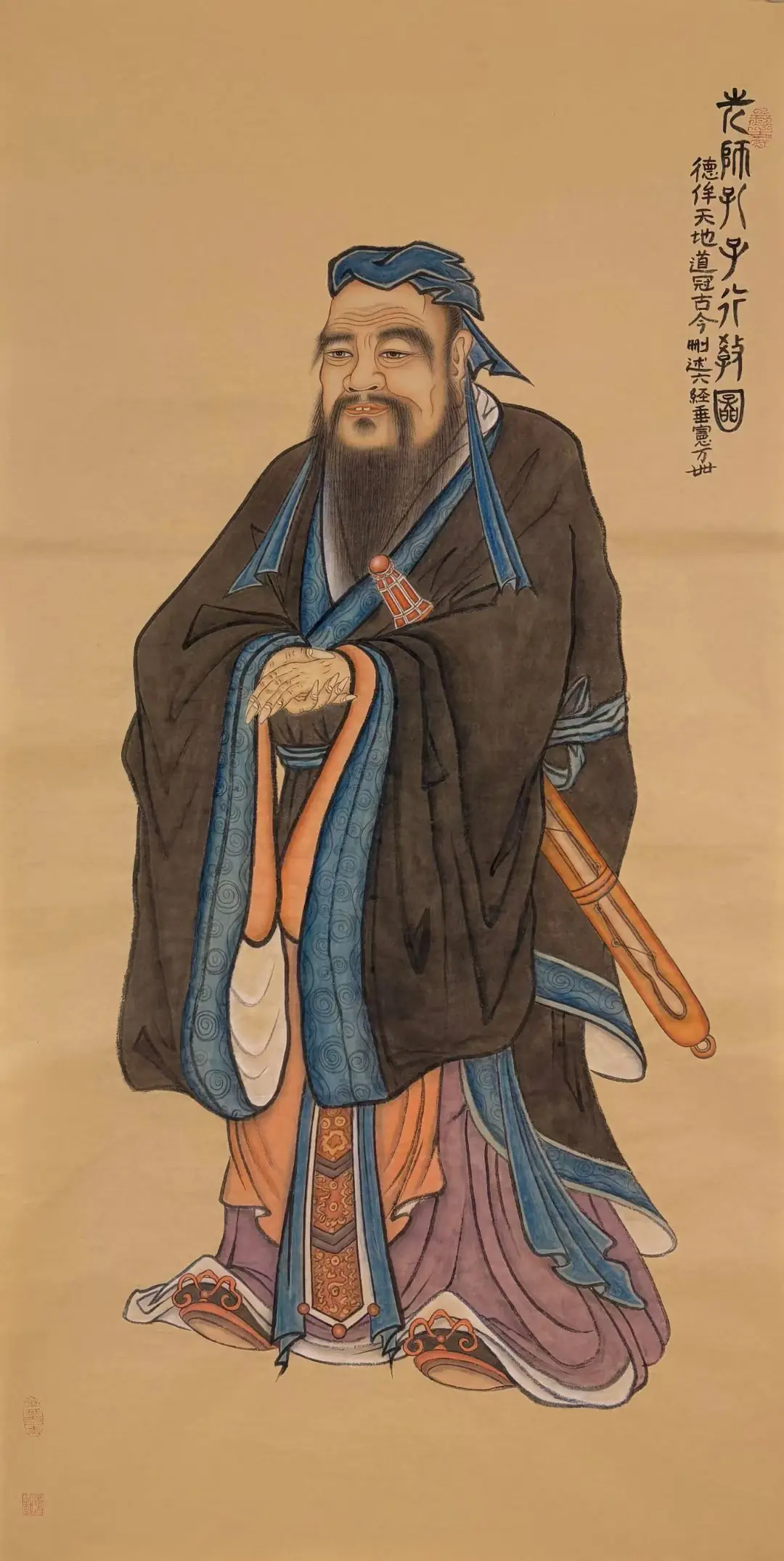
The Original Quote:
孔子曰:“见善如不及,见不善如探汤;吾见其人矣。吾闻其语矣。隐居以求其志,行义以达其道;吾闻其语矣,未见其人也。”
Kǒngzǐ yuē: “Jiàn shàn rú bù jí, jiàn bù shàn rú tàn tāng; wú jiàn qí rén yǐ. Wú wén qí yǔ yǐ. Yǐn jū yǐ qiú qí zhì, xíng yì yǐ dá qí dào; wú wén qí yǔ yǐ, wèi jiàn qí rén yě.”
English Translation:
The Master said: “Seeing what is good, one pursues it as though fearing not to reach it; seeing what is not good, one shuns it as though touching scalding water—such men I have seen, and such words I have heard. Dwelling in seclusion to fulfill one’s resolve, and practicing righteousness to realize the Way—such words I have heard, but such men I have not yet seen.”
Key Concepts Explained:
- Virtue (德, Dé): Inner moral power cultivated through conscious effort, not mere outward compliance.
- Righteousness (义, Yì): Doing what is fitting and just, guided by principle rather than reward or social pressure.
- The Way (道, Dào): The ultimate moral order and path of human flourishing, realized through authentic practice.
- Seclusion (隐, Yǐn): Withdrawal from public life not as escapism, but as disciplined self-cultivation when the world is disordered.
Cultural Context:
This passage from The Analects (Lúnyǔ), compiled during the Warring States period (475–221 BCE), reflects Confucius’s deepening concern with the quality of moral motivation. In an era when “virtue” could be performed for political advancement—the “recommendation by virtue” system (以德举, yǐ dé jǔ)—Confucius distinguishes between reactive goodness (spurred by social example) and proactive righteousness (driven by inner conviction). The latter, he laments, is rare. This teaching challenges learners to cultivate 仁 (rén, benevolence) not as imitation, but as spontaneous ethical awakening—a principle that resonates through East Asian moral education to this day.