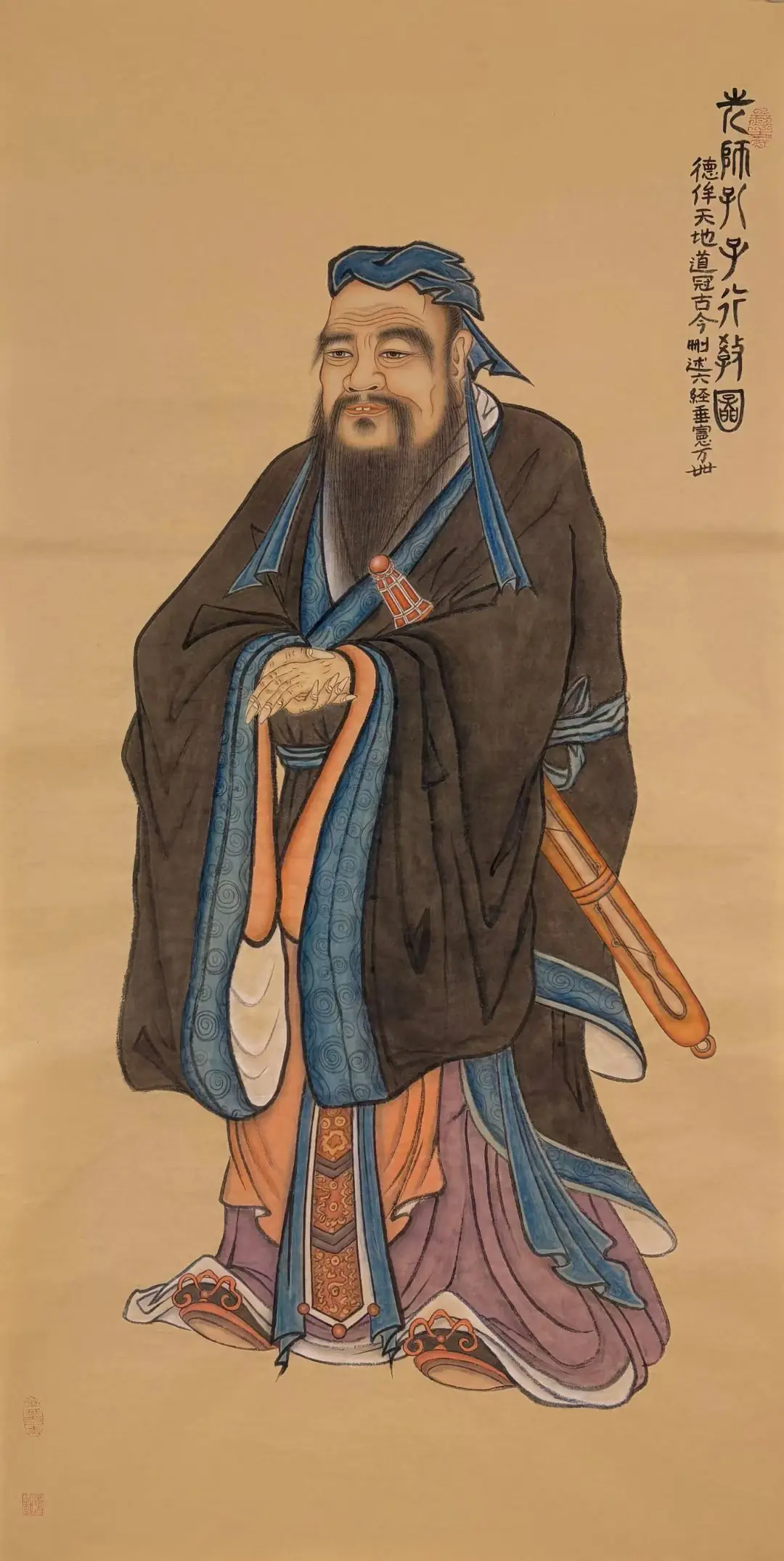
The Original Quote:
颜渊死,子哭之恸,从者曰:“子恸矣!”曰:“有恸乎?非夫人之为恸而谁为?”
Yán Yuān sǐ, zǐ kū zhī tòng, cóng zhě yuē: “Zǐ tòng yǐ!” Yuē: “Yǒu tòng hū? Fēi fūrén zhī wèi tòng ér shuí wèi?”
English Translation:
When Yan Yuan died, the Master wept with exceeding grief. His followers said, “Master, your grief is excessive!” He replied, “Is it excessive? If I do not grieve deeply for this man, for whom should I grieve?”
Key Concepts Explained:
- Rén (仁): Humaneness or benevolence, the core virtue of Confucianism, encompassing compassion and sincere feeling toward others. Here, it manifests as unrestrained grief for a beloved disciple.
- Lǐ (礼): Ritual propriety, the social norms and rites that govern conduct. While lǐ often demands moderation, this passage shows its flexibility when deep, genuine emotion is involved.
- Mìng (命): Fate or the mandate of heaven, referring to the natural order and limits of human life. Yan Yuan’s early death is seen as a tragic twist of mìng, robbing Confucius of his successor.
- Qíng (情): Genuine emotion or feeling, valued in Confucian thought when expressed appropriately. This story highlights the balance between emotional authenticity and social decorum.
Cultural Context:
This passage from the *Analects* (Book 11, Chapter 9) captures a rare moment of vulnerability in Confucius’s life. Yan Yuan (Yan Hui) was his most prized disciple, embodying the ideal of rén and seen as the torchbearer of Confucian teachings. His premature death at a young age symbolized not only a personal loss but a potential crisis for the transmission of Confucian philosophy. In ancient Chinese society, mourning rites were strictly regulated by lǐ, which prescribed degrees of grief based on social relationships. Confucius’s weeping “excessively” deviated from these norms, yet he justified it by the exceptional worth of the individual. This episode reveals a key tension in Confucianism: the need to balance heartfelt emotion with societal expectations. It also underscores the importance of sincerity (chéng, 诚) in ritual practice, where true feeling validates and animates outward forms. Historically, this story has been cited to argue that Confucianism is not a cold, rule-bound system but one that accommodates human vulnerability within a framework of moral cultivation.