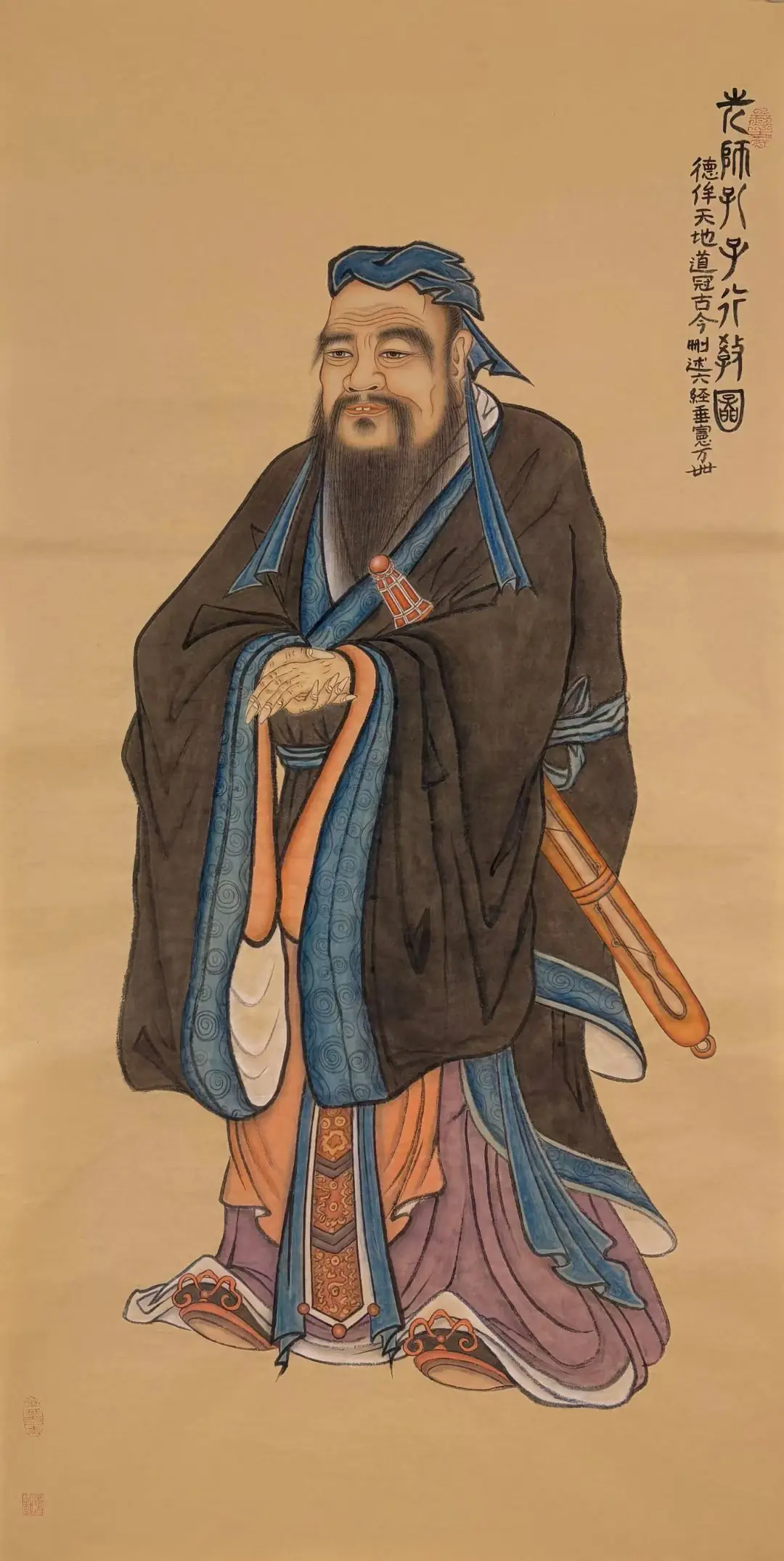
The Original Quote:
季路问事鬼神,子曰:“未能事人,焉能事鬼?”曰:“敢问死。”曰:“未知生,焉知死?”
Jì Lù wèn shì guǐshén, zǐ yuē: “Wèi néng shì rén, yān néng shì guǐ?” Yuē: “Gǎn wèn sǐ.” Yuē: “Wèi zhī shēng, yān zhī sǐ?”
English Translation:
Zi Lu inquired about serving spirits and gods. The Master replied, “If one cannot yet serve the living, how can one serve the dead?” Zi Lu then ventured, “May I dare to ask about death?” The Master answered, “If one does not yet understand life, how can one understand death?”
Key Concepts Explained:
- 仁 (Rén): Benevolence or humaneness—the core virtue in Confucianism, emphasizing compassion and ethical conduct in human relationships, which forms the foundation for serving others.
- 礼 (Lǐ): Ritual propriety—the normative framework of social customs and rites that guide proper behavior, focusing attention on practical, worldly interactions rather than supernatural speculation.
- 命 (Mìng): Fate or mandate—the Confucian concept of accepting the limits of human knowledge while focusing on moral effort within the realm of the knowable, as reflected in the avoidance of metaphysical questions.
Cultural Context:
This passage from the *Analects* (11.12) captures Confucius’s pragmatic and humanistic approach, which profoundly shaped Chinese civilization. By redirecting Zi Lu’s inquiries from the supernatural to the social, Confucius established a tradition of “practical rationality” (*shiyong lixing*). This orientation prioritized ethical cultivation (*xiushēn*), social harmony, and worldly well-being over metaphysical debates. Unlike many religious traditions, Confucianism thus focused on the immanent order—governance, family, and ritual—as the arena for moral meaning, leaving questions of spirits and afterlife as matters of respectful agnosticism. This legacy influenced Chinese culture’s enduring emphasis on realism, social responsibility, and the pursuit of happiness in the present life.