The Original Quote:
德行:颜渊,闵子骞,冉伯牛,仲弓。言语:宰我,子贡。政事:冉有,季路。文学:子游,子夏。
Déxíng: Yán Yuān, Mǐn Zǐqiān, Rǎn Bóniú, Zhòng Gōng. Yányǔ: Zǎi Wǒ, Zǐgòng. Zhèngshì: Rǎn Yǒu, Jì Lù. Wénxué: Zǐ Yóu, Zǐ Xià.
English Translation:
In virtuous conduct (déxíng 德行): Yan Yuan, Min Ziqian, Ran Boniu, and Zhong Gong. In eloquent speech (yányǔ 言语): Zai Wo and Zigong. In governance and statecraft (zhèngshì 政事): Ran You and Ji Lu. In literary learning (wénxué 文学): Ziyou and Zixia.
Key Concepts Explained:
- 德 (dé): Virtue or moral power; the inner quality of righteousness cultivated through self-discipline and adherence to ritual propriety (lǐ 礼).
- 仁 (rén): Benevolence or humaneness; the core Confucian virtue embodying compassion, empathy, and the ideal of relational harmony.
- 礼 (lǐ): Ritual propriety; the structured norms and ceremonies that guide ethical conduct and social order.
- 命 (mìng): Mandate or destiny; the concept of a cosmic order or fate that humans align with through virtuous action.
- 四科 (sì kē): The Four Categories—Virtue, Speech, Governance, and Literature—representing distinct domains of human excellence, as classified by Confucius.
Cultural Context:
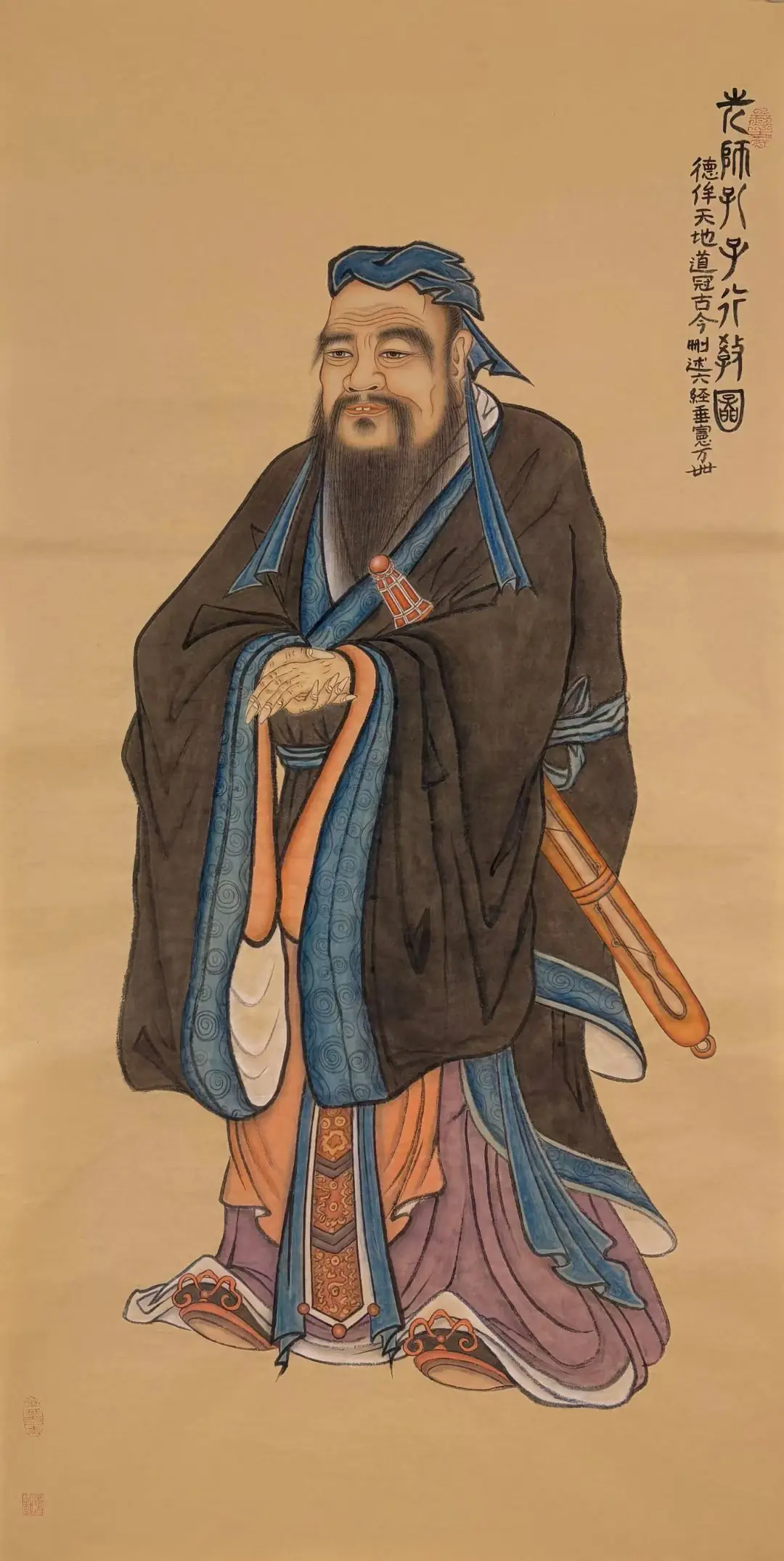
This passage from The Analects (Lúnyǔ 论语) introduces the "Ten Philosophers of the Four Categories" (sì kē shí zhé 四科十哲), Confucius' most accomplished disciples. It underscores a foundational Confucian principle: that human potential is diverse, and no individual embodies all virtues perfectly. Confucius (Kǒngzǐ 孔子, 551–479 BCE) taught that a harmonious society emerges when each person cultivates their unique strengths—whether in moral integrity, rhetorical skill, administrative ability, or scholarly knowledge—while recognizing their limitations. This insight challenges the pursuit of "universal genius" (quáncái 全才) and instead advocates for specialized excellence within a framework of moral cultivation. Historically, this classification influenced Chinese educational and bureaucratic systems, emphasizing the value of tailored talent development. For modern leaders, it offers a timeless lesson in human resource management: assess individuals holistically, deploy them according to their strengths, and foster an environment where diverse abilities contribute to collective flourishing.