The Original Quote:
柴也愚,参也鲁,师也辟,由也喭。
Chái yě yú, Shēn yě lǔ, Shī yě pì, Yóu yě yàn.
English Translation:
Chai is simple-minded; Shen is dull; Shi is one-sided; You is rash.
Key Concepts Explained:
- 中行 (zhōng xíng): The "middle way" in conduct—acting without excess or deficiency, central to Confucian ethics.
- 命 (mìng): "Mandate" or "fate"—the inborn nature or destiny that one must refine through self-cultivation.
- 礼 (lǐ): "Ritual propriety"—the corrective framework of rites and norms that tempers raw disposition into virtue.
- 仁 (rén): "Benevolence"—the ultimate virtue of humaneness, achieved by balancing one's innate tendencies.
Cultural Context:
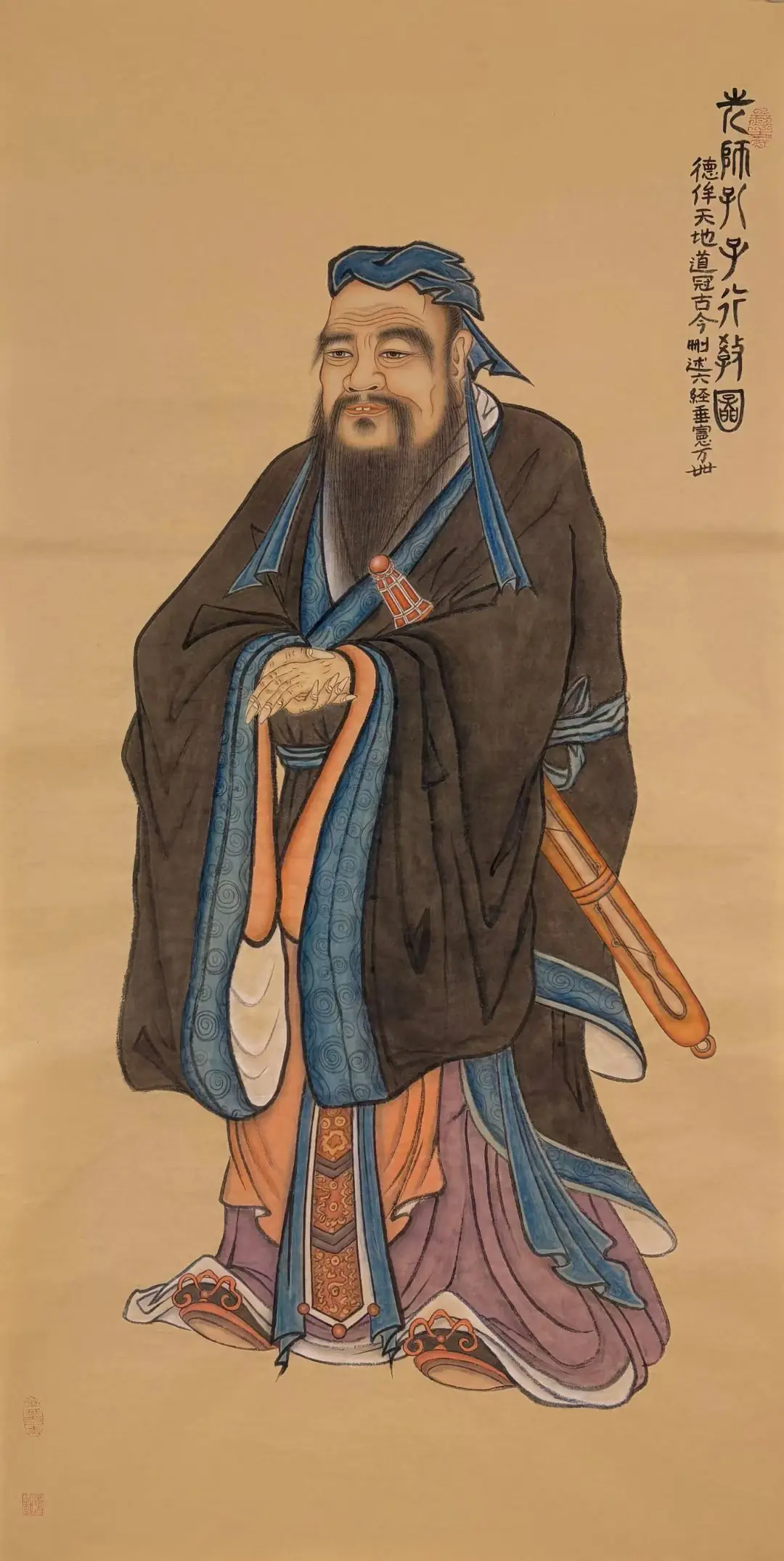
This passage from the Analects (11.18) records Confucius' candid assessment of four disciples: Gao Chai, Zeng Shen, Zhuansun Shi (Zizhang), and Zhong You (Zilu). Each exhibits a flaw—foolishness, dullness, extremism, or rashness—that reflects their raw, unrefined disposition. Confucius, however, does not condemn them; rather, he sees these traits as starting points for moral education. Through the disciplined practice of ritual (礼) and benevolence (仁), these ordinary men could be guided toward the mean (中行). This mirrors the Confucian conviction that character is not fixed by one's nature (命) but shaped by learning and self-cultivation, transforming natural deficiency into cultivated virtue.