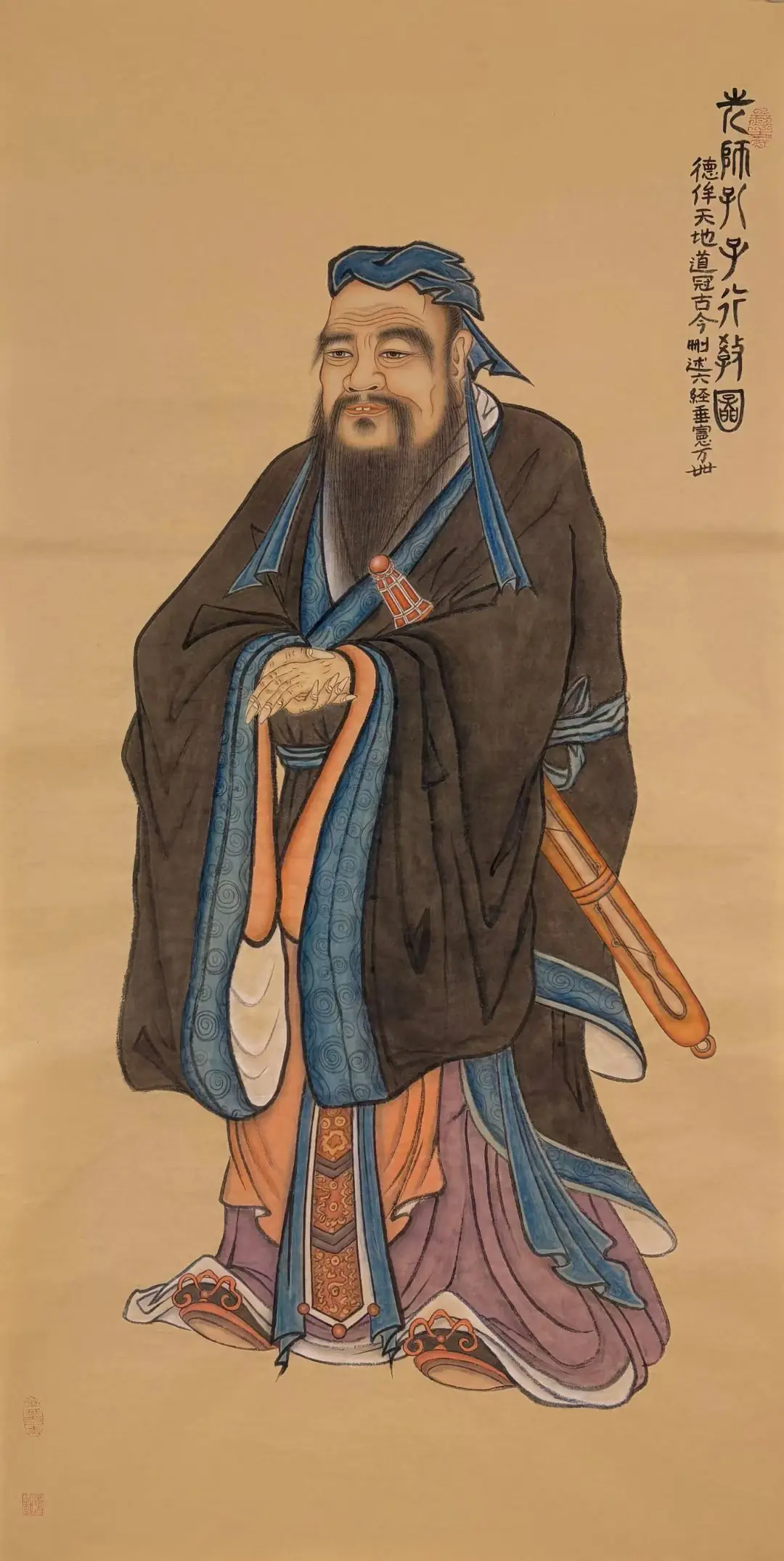
The Original Quote:
子绝四:毋意、毋必、毋固、毋我。
Zǐ jué sì: wú yì, wú bì, wú gù, wú wǒ.
English Translation:
The Master eschewed four things: he harbored no groundless conjectures, insisted on no arbitrary certainties, clung to no obstinate dogmas, and indulged in no self-centered egotism.
Key Concepts Explained:
- 意 (Yì): Groundless conjecture or subjective assumption, often arising from unverified thoughts.
- 必 (Bì): Arbitrary certainty or dogmatic insistence, rejecting alternative perspectives.
- 固 (Gù): Obstinate stubbornness or rigid adherence to one’s own views, even in error.
- 我 (Wǒ): Self-centered egotism or narcissism, prioritizing personal desires over communal harmony.
Cultural Context:
This passage from the Analects (Lúnyǔ, 子罕第九) encapsulates Confucius’s critique of human cognitive and behavioral flaws. In the Warring States period, such admonitions served as moral guidelines for rulers and scholars, aiming to foster objective judgment and social harmony. The "Four Abstenances" reflect Confucian ideals of self-cultivation (修身, xiūshēn) and propriety (礼, lǐ), emphasizing humility and evidence-based reasoning. Historically, these principles influenced Chinese governance and education, warning against the perils of hubris—as seen in the downfall of rulers like King Fuchai of Wu or Emperor Yang of Sui. The text remains a cornerstone of East Asian ethical thought, promoting balanced decision-making in both personal and political life.