The Original Quote:
子曰:“凤鸟不至,河不出图,吾已矣夫!”
Zǐ yuē: “Fèng niǎo bù zhì, hé bù chū tú, wú yǐ yǐ fū!”
English Translation:
"The phoenix does not appear; the River sends forth no chart—my work is ended, alas!"
Key Concepts Explained:
- 命 (Mìng): Mandate or fate—here, the absence of a timely ruler reflects an unfulfilled cosmic order, where even the sage’s virtue cannot overcome the lack of a receptive sovereign.
- 礼 (Lǐ): Ritual propriety—the ideal social order Confucius sought to restore, symbolized by the mythical omens of a golden age now lost.
- 仁 (Rén): Benevolence or humaneness—the core virtue that, without a wise ruler to recognize and employ it, remains dormant in the world.
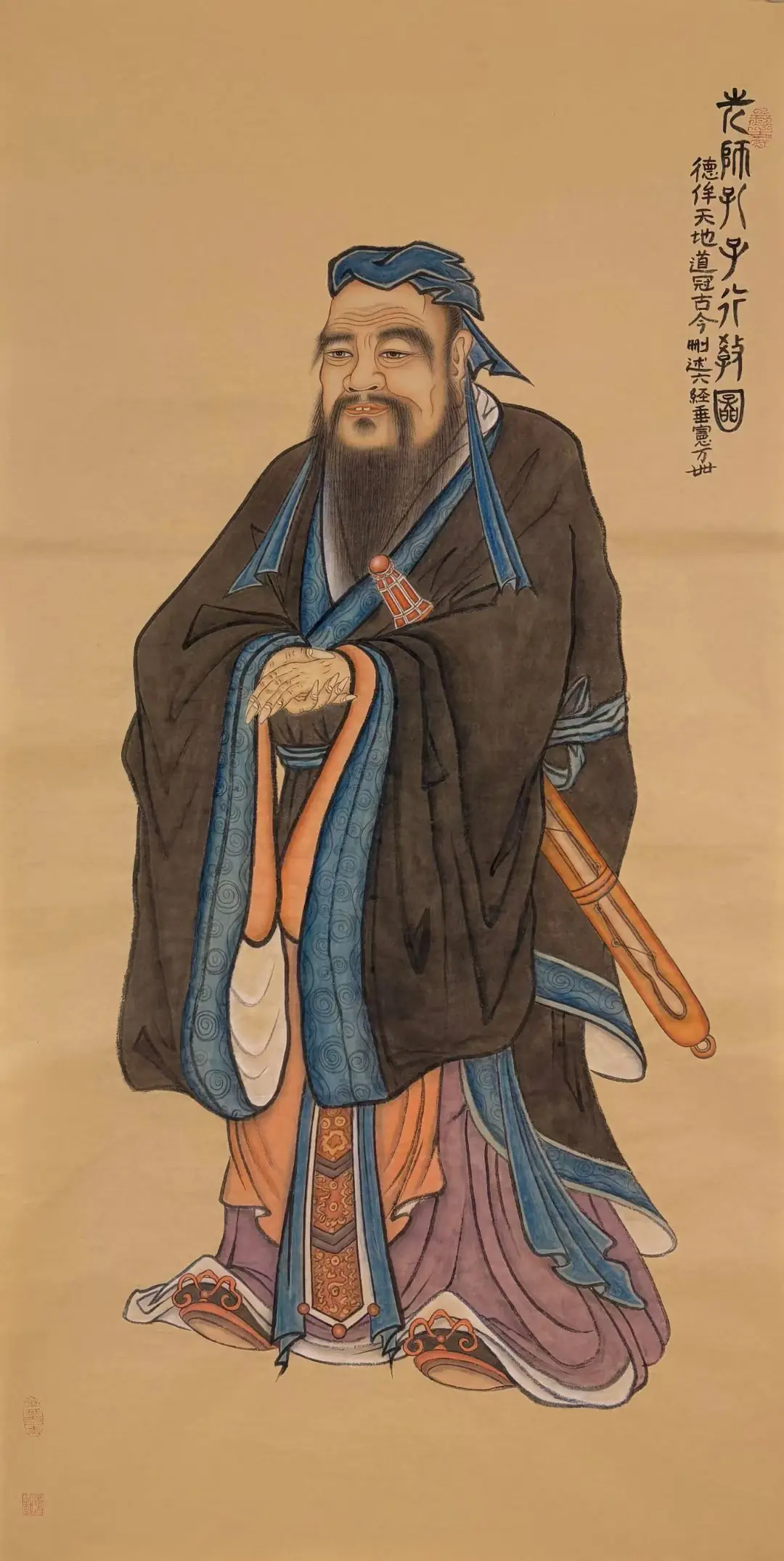
- 圣人 (Shèngrén): Sage—a figure of supreme wisdom and virtue, like Confucius himself, whose potential is wasted when no enlightened ruler arises.
Cultural Context:
This passage from the Analects captures Confucius’s deep despair in old age, after a lifetime of wandering among feudal states, offering counsel to restore the Zhou dynasty’s rituals and moral governance. The phoenix and the River Chart were ancient omens of sage-kings like Fu Xi, Shun, and King Wen—rulers whose virtue attracted cosmic signs. Confucius laments that no such ruler exists in his time, leaving his mission unfulfilled. Historically, this reflects the tension between an individual’s moral excellence (德, dé) and the external conditions needed for it to flourish—a theme resonating through Chinese history, where eras of brilliance (e.g., Han and Tang dynasties) produced constellations of talent only when wise emperors reigned. Confucius’s response to this dilemma—teaching and writing—established the ideal of “threefold immortality” (立功, 立德, 立言): achieving deeds, cultivating virtue, or transmitting wisdom, offering a path for all who face a world that fails to recognize their worth.