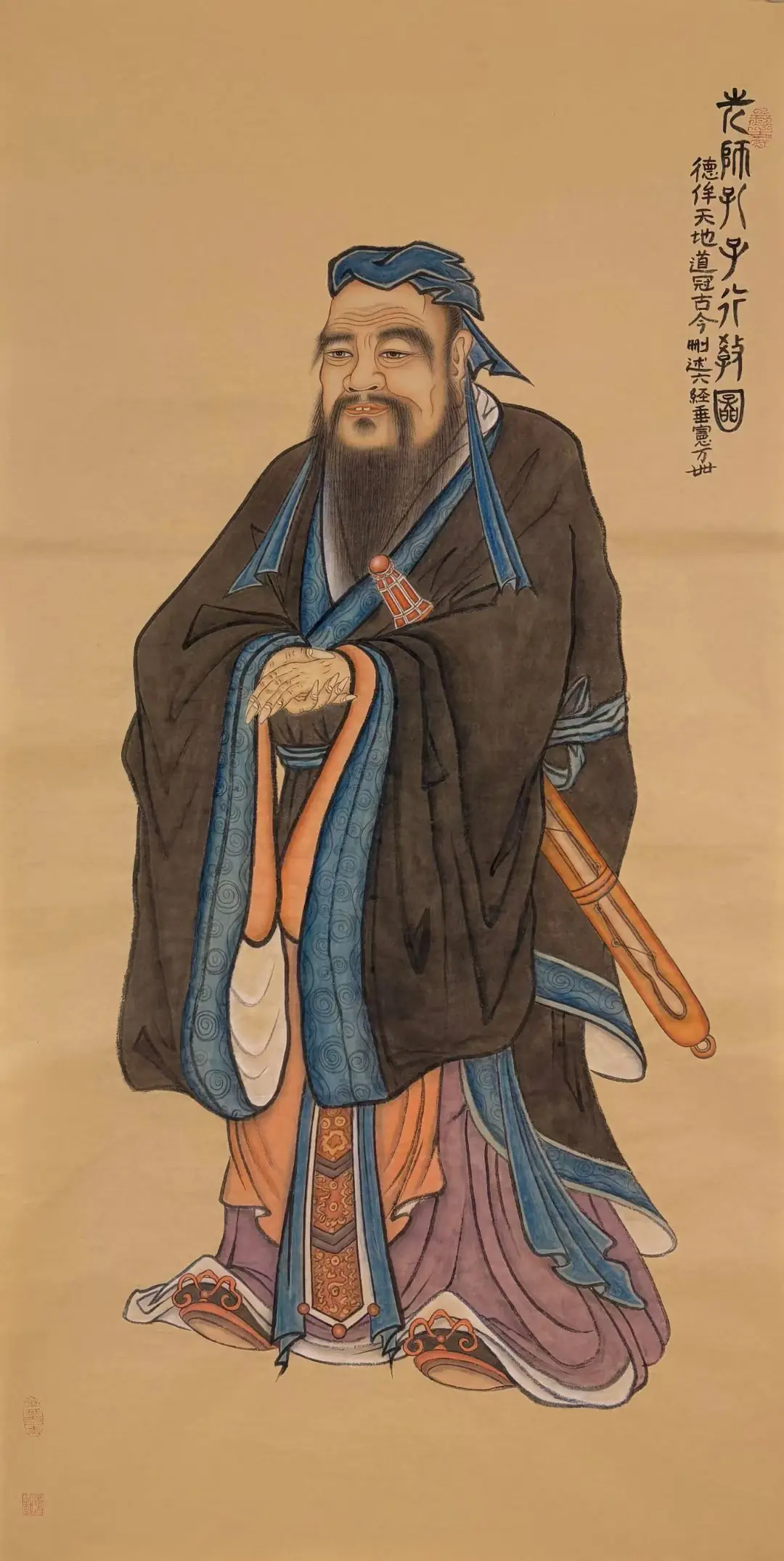
The Original Quote:
子曰:“三军可夺帅也,匹夫不可夺志也。”
Zǐ yuē: “Sān jūn kě duó shuài yě, pǐ fū bù kě duó zhì yě.”
English Translation:
“The commander of the three armies may be forcibly taken away, but the will of even a common man cannot be wrested from him.” — This rendering captures the contrast between external coercion and inner resolve, affirming the inviolability of personal purpose.
Key Concepts Explained:
- 志 (Zhì): The inner will or life-purpose, rooted in moral self-cultivation and unyielding to external force.
- 仁 (Rén): Humaneness or benevolence, the core virtue that energizes zhì and aligns it with ethical action.
- 匹夫 (Pǐ fū): Literally “a common man,” but here symbolizing every individual’s inherent dignity and autonomy.
- 命 (Mìng): Fate or mandate from Heaven, which sets limits but does not diminish the human capacity for moral choice.
Cultural Context:
This aphorism from the Analects (Zihan 9.26) epitomizes Confucian humanism, which—unlike theocentric traditions—grounds value in human agency and moral striving. Confucius employs a stark contrast: the loss of an army’s leader, though difficult, can be achieved by external force; but a person’s zhì (will) remains invulnerable to coercion. The historical example of Wen Tianxiang, a Song loyalist who chose death over submission to the Yuan dynasty, illustrates this principle: his will remained unshaken despite years of imprisonment. The passage warns against moral compromise under temptation—as seen in figures like Wang Jingwei during the Sino-Japanese War—and advises leaders and commoners alike to cultivate inner resolve. In modern terms, it champions self-respect and perseverance against adversity, echoing Mencius’s dictum: “Neither wealth nor rank can corrupt, nor poverty and lowliness move, nor power and force bend.”