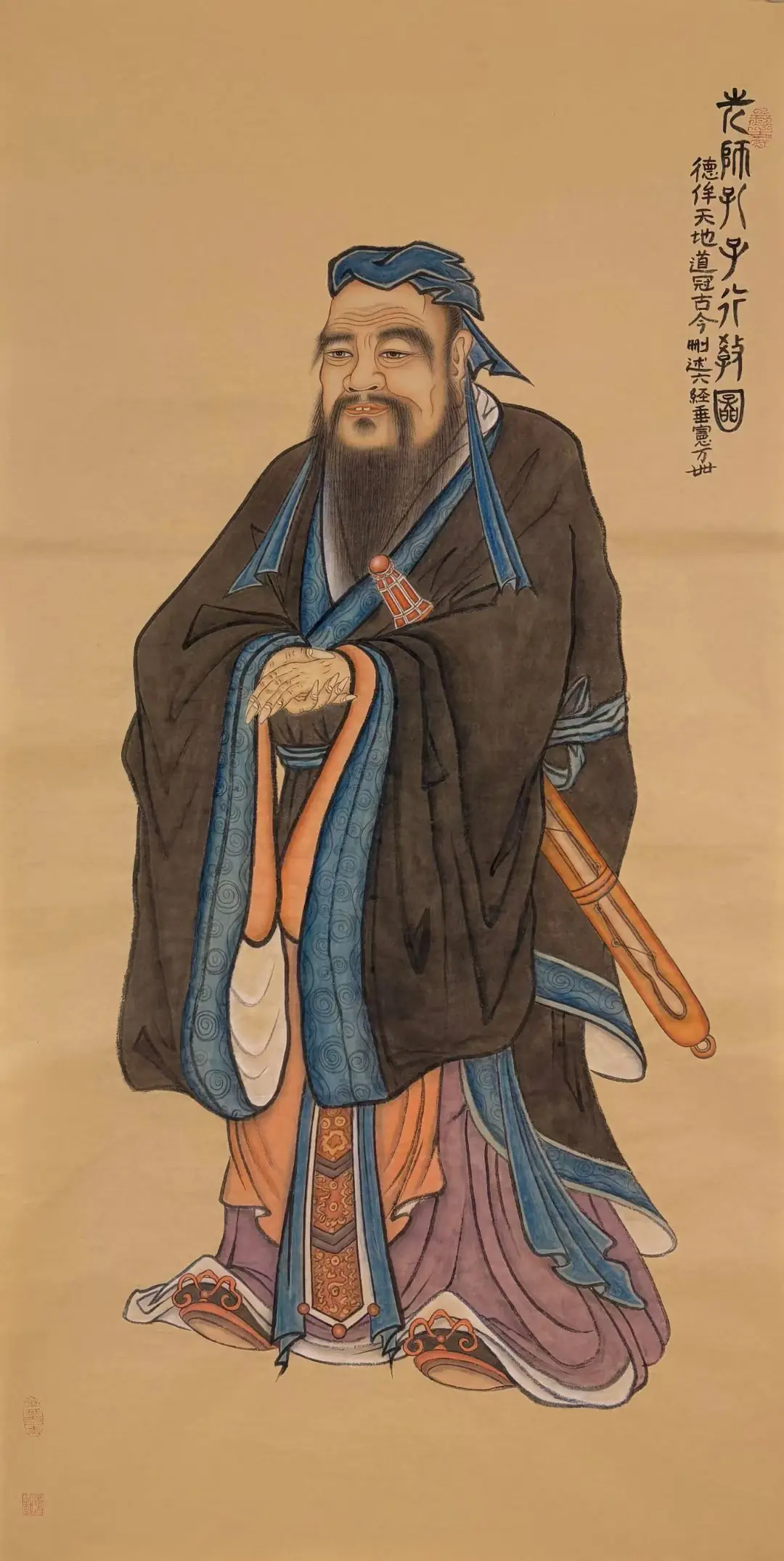
The Original Quote:
达巷党人曰:“大哉孔子!博学而无所成名。”子闻之,谓门弟子曰:“吾何执?执御乎,执射乎?吾执御矣。”
Dá xiàng dǎng rén yuē: “Dà zāi Kǒngzǐ! Bó xué ér wú suǒ chéng míng.” Zǐ wén zhī, wèi mén dìzǐ yuē: “Wú hé zhí? Zhí yù hū, zhí shè hū? Wú zhí yù yǐ.”
English Translation:
“A man of Daxiang village remarked, ‘How great is Confucius! So broadly learned, yet he has no single skill for which he is famed.’ Upon hearing this, the Master said to his disciples, ‘What craft should I take up? Shall I take up charioteering, or shall I take up archery? I shall take up charioteering.’”
Key Concepts Explained:
- Lǐ (礼): Ritual propriety and social order; Confucius’s choice of a humble skill reflects the ritual value of modesty over self-aggrandizement.
- Rén (仁): Humaneness or benevolence; humility is a core expression of rén, as it fosters harmony and respect for others’ worth.
- Jūnzǐ (君子): The exemplary person; the ideal of self-cultivation who, like Confucius, remains teachable and avoids pride despite vast knowledge.
- Mìng (命): Fate or mandate; Confucius’s response subtly acknowledges that true worth is not in external fame but in aligning with one’s moral path.
Cultural Context:
This passage from the Analects (子罕, Zihan) illustrates Confucius’s profound humility in the face of a backhanded compliment. In ancient China, the “six arts” (六艺, liù yì)—including archery (射, shè) and charioteering (御, yù)—defined a gentleman’s education. Archers held higher social rank, while charioteers served humbly. By choosing the lower skill, Confucius models the virtue of humility (谦虚, qiānxū) central to Confucian ethics. This teaching counters the human tendency toward boastfulness, advocating that true greatness lies in continuous learning and respect for others—a principle echoed in stories like Liu Bei’s three visits to Zhuge Liang, where humility secured loyalty and wisdom.