The Original Quote:
子见齐衰者、冕衣裳者与瞽者,见之,虽少,必作,过之必趋。
Zǐ jiàn qī cuī zhě, miǎn yī cháng zhě yǔ gǔ zhě, jiàn zhī, suī shào, bì zuò, guò zhī bì qū.
English Translation:
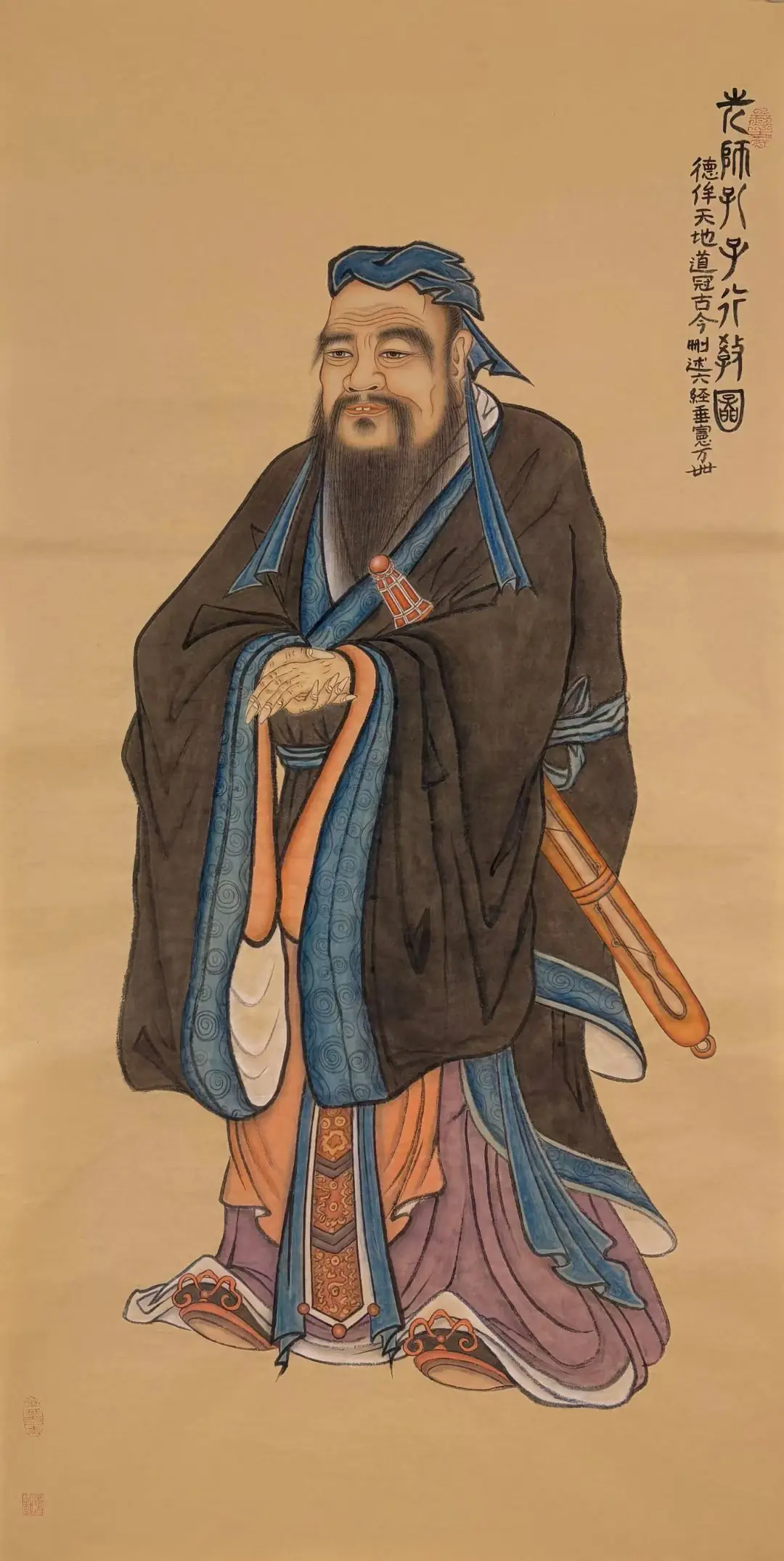
When the Master encountered a person in mourning, one adorned in ceremonial cap and robes, or a blind man, he would, upon seeing them, rise from his seat—even if they were younger than he—and, when passing by them, would quicken his pace with deliberate haste.
Key Concepts Explained:
- Ritual Propriety (礼, lǐ): The external form of social conduct rooted in inner virtue. For Confucius, lǐ was not mere etiquette but a dynamic practice that harmonizes human relationships and cultivates moral character by expressing appropriate respect and empathy in every encounter.
- Humaneness (仁, rén): The core Confucian virtue of benevolence and love for others. Here, Confucius’s actions—rising for the mourner and the blind—demonstrate rén as spontaneous compassion, while his respect for the formally dressed reflects a reverence for social hierarchy that upholds harmony.
- Rectification of Names (正名, zhèng míng): The principle that words and actions must align with one’s true role and circumstance. Confucius’s response to each person (mourner, dignitary, disabled) embodies zhèng míng by acting in accordance with the “name” of the situation, restoring order through ritual precision.
Cultural Context:
This passage from the Analects (Book IX, Chapter 10) illustrates Confucius’s lifelong mission to revive the ritual order (礼治, lǐ zhì) of the Zhou dynasty, which he believed had declined into chaos during the Spring and Autumn period. By rising for the bereaved (mourning attire), honoring the dignified (ceremonial dress), and showing care for the disabled (the blind), Confucius modeled how ritual could restore social harmony. His actions were not empty gestures but embodied teachings: they showed that true ritual springs from inner virtue (仁) and that even small acts of respect could cultivate a just society. This practice reflects the Confucian ideal of “self-cultivation for the rectification of the world” (修身齐家治国平天下), where personal conduct becomes the foundation of political order.