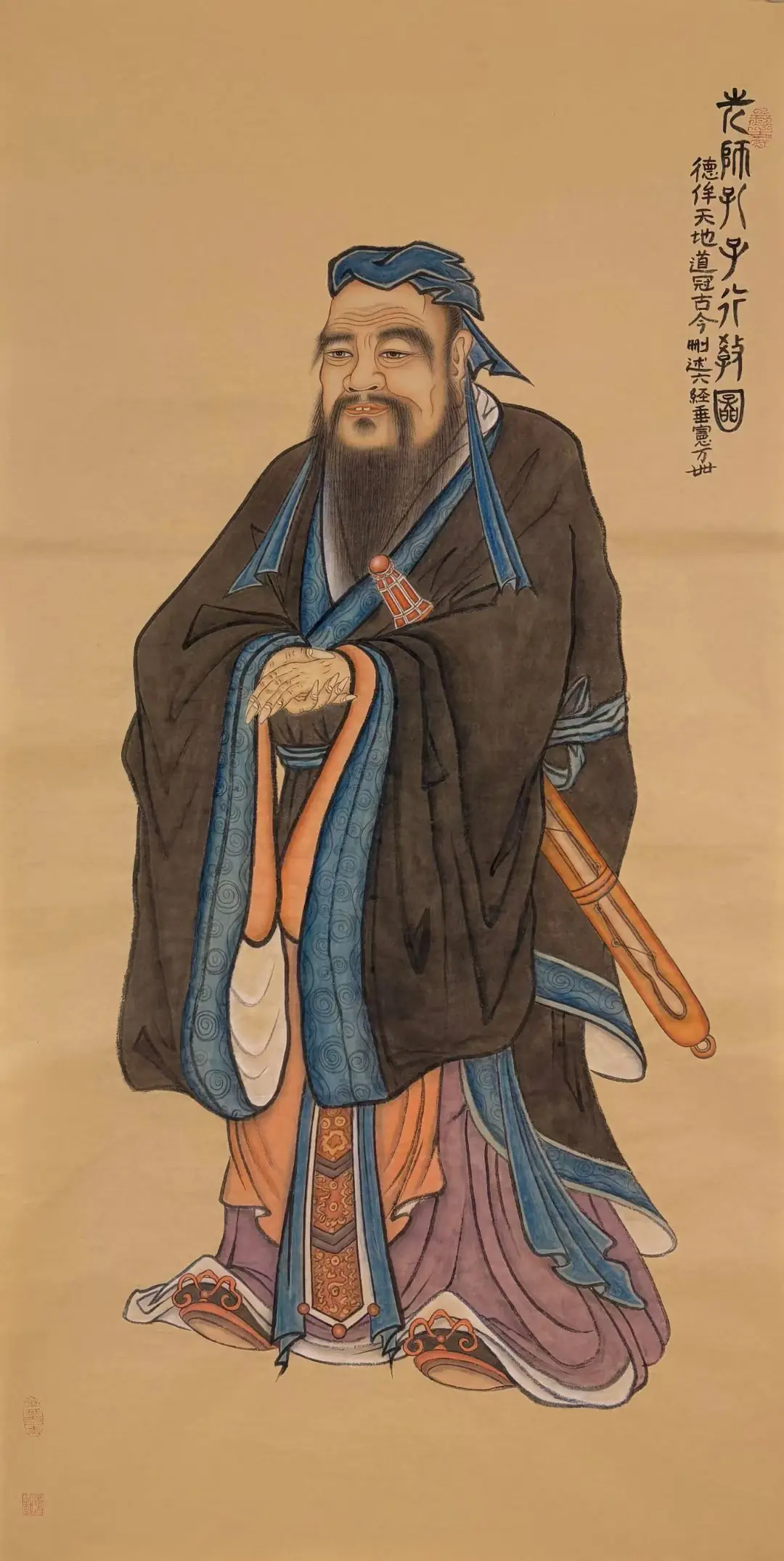
The Original Quote:
子贡曰:“我不欲人之加诸我也,吾亦欲无加诸人。”子曰:“赐也,非尔所及也。”
Zǐgòng yuē: “Wǒ bù yù rén zhī jiā zhū wǒ yě, wú yì yù wú jiā zhū rén.” Zǐ yuē: “Cì yě, fēi ěr suǒ jí yě.”
English Translation:
Zigong said: “What I do not wish others to impose upon me, I also wish not to impose upon others.” The Master said: “Ci, this is beyond your reach.”
Key Concepts Explained:
- Ren (仁): Benevolence or humaneness—the highest virtue in Confucian thought, representing perfect moral character and the ability to act selflessly for the good of others. It is an ideal state, seldom attained even by sages.
- Shu (恕): Reciprocity or empathy—often expressed as “what you do not wish for yourself, do not do to others.” It is a practical, attainable step toward Ren, emphasizing consideration and moral reflection in daily interactions.
- Li (礼): Ritual propriety—the framework of social norms and ceremonies that cultivate virtue and harmony, guiding individuals toward Ren through disciplined practice.
- Ming (命): Fate or mandate—the recognition of life’s constraints and the acceptance of what lies beyond human control, grounding moral striving in humility.
Cultural Context:
This dialogue from the Analects (Lunyu) captures a pivotal moment in Confucian moral philosophy. Zigong, a prominent disciple, articulates a noble aspiration that mirrors the Golden Rule, yet Confucius gently corrects him, underscoring the profound difficulty of achieving true Ren. In the Warring States period (5th–3rd centuries BCE), such teachings served as ethical guides for a society in turmoil, emphasizing gradual self-cultivation over immediate perfection. Confucius distinguishes between Shu—a feasible practice of empathy—and Ren, the transcendent state of moral freedom. This distinction reflects his pedagogical method: encouraging learners to begin with actionable steps (like the “silver rule” of reciprocity) before aspiring to higher ideals. The text remains a cornerstone of East Asian moral education, highlighting humility and the lifelong journey toward virtue.