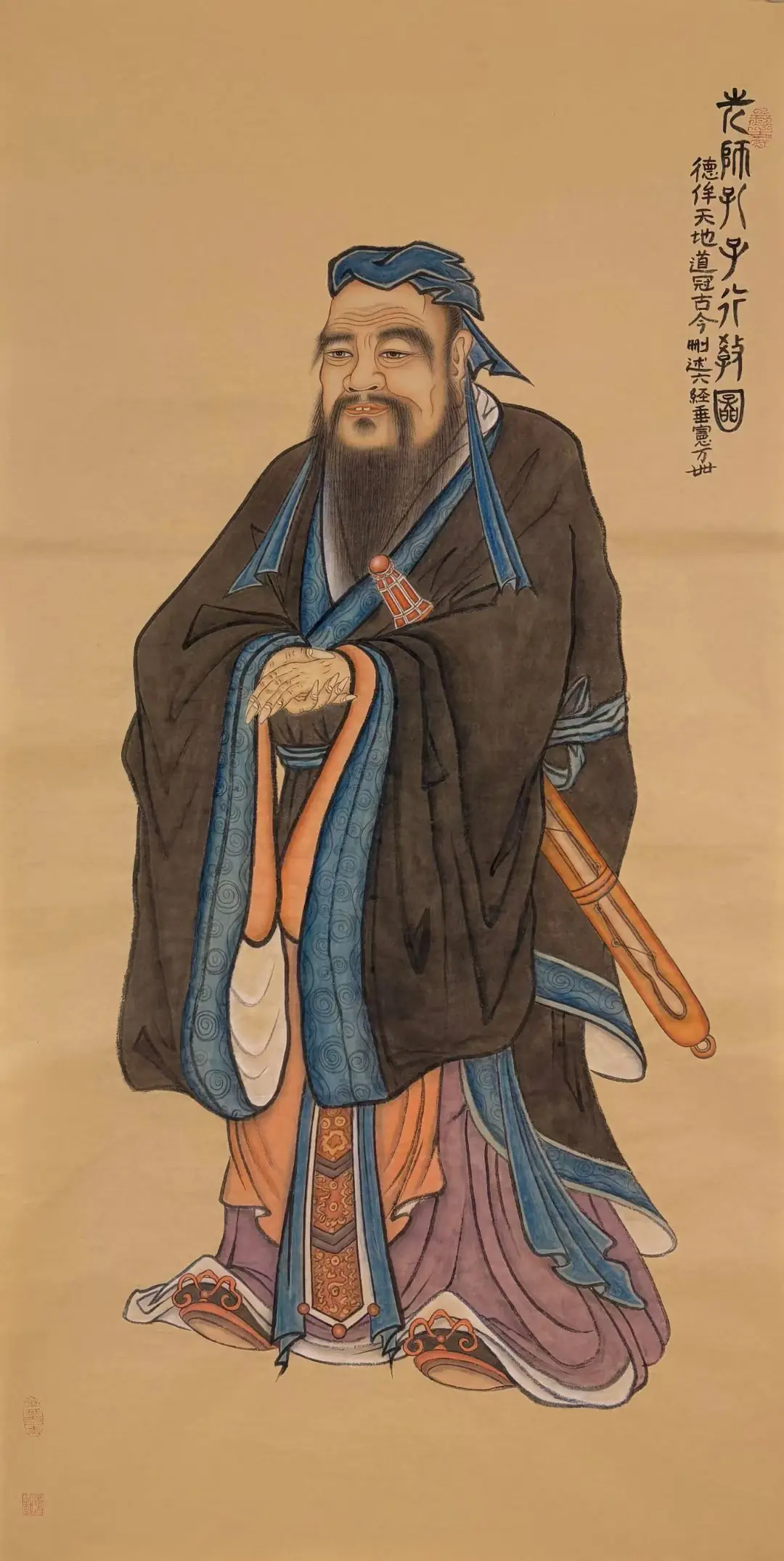
The Original Quote:
子曰:“已矣乎!吾未见能见其过而内自讼者也。”
Zǐ yuē: “Yǐ yǐ hū! Wú wèi jiàn néng jiàn qí guò ér nèi zì sòng zhě yě.”
English Translation:
“Alas! I have yet to behold one who, perceiving his own faults, can inwardly arraign himself before the tribunal of his own conscience.”
Key Concepts Explained:
- Self-criticism (nèi zì sòng, 内自讼): The internal process of moral self-examination and reproach, akin to a legal plea (sòng, 讼) within one’s own heart, essential for character refinement.
- Fault (guò, 过): Transgression or error, viewed not as mere mistake but as a deviation from the Way (dào, 道) that requires active correction.
- Rectification (zhèng, 正): The Confucian ideal of aligning one’s conduct with moral order, often achieved through self-criticism and remorse.
Cultural Context:
This passage from the Analects (Lúnyǔ, 论语) reflects Confucius’s emphasis on moral self-awareness as the foundation of personal and societal harmony. In classical Chinese thought, the ability to detect and judge one’s own errors (guò, 过) without external compulsion is a hallmark of the cultivated person (jūnzǐ, 君子). The historical example of Emperor Hàn Wǔdì (汉武帝), who issued the “Lún Tái Edict of Repentance” (轮台罪己诏) after years of militaristic excess, illustrates the political gravity of this principle. Such self-criticism was seen as vital for restoring cosmic balance and effective governance, aligning with the Confucian belief that moral rectification begins within the self before extending to family, state, and world.