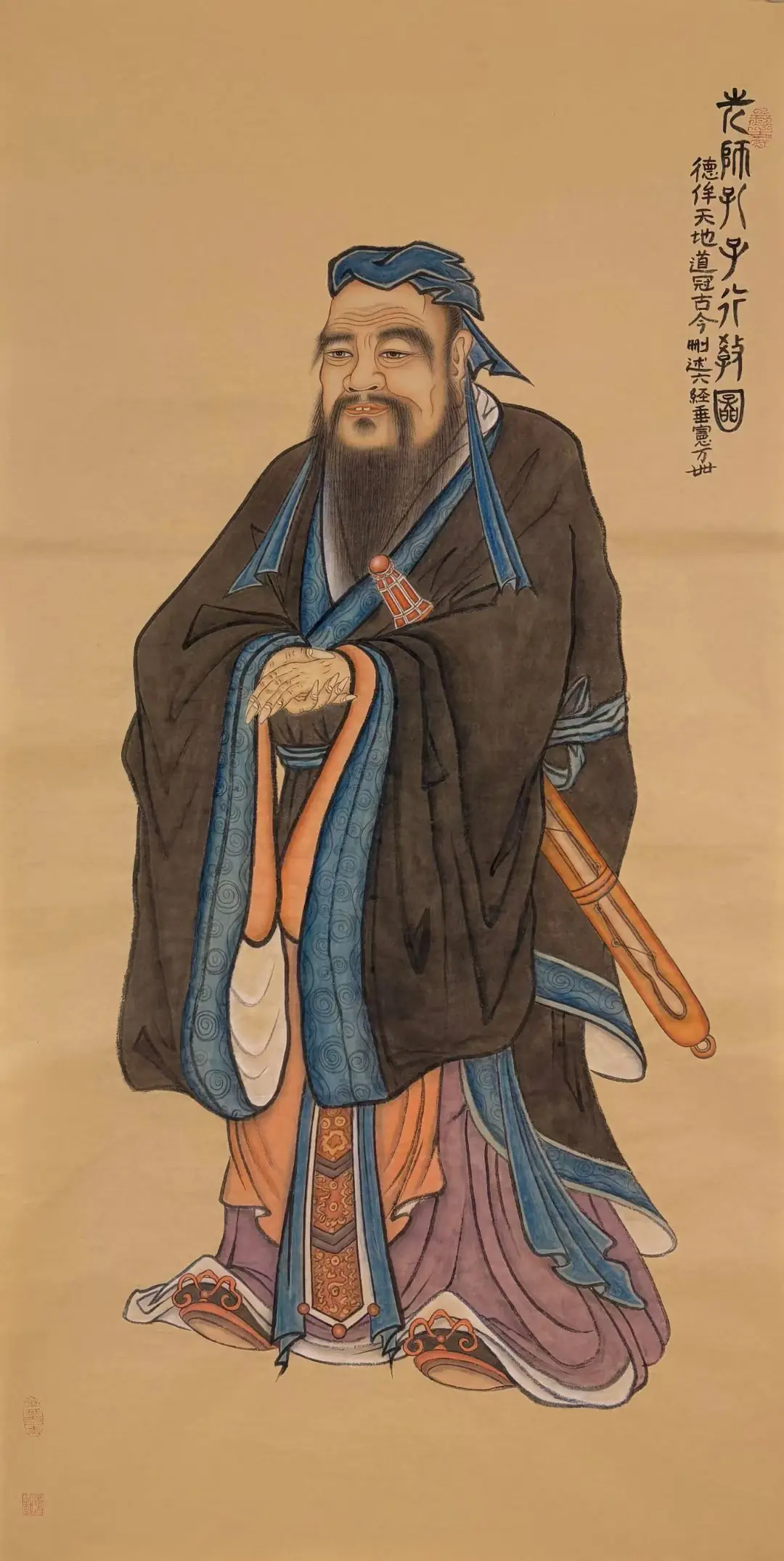
The Original Quote:
宰予昼寝,子曰:“朽木不可雕也,粪土之墙不可杇也,于予与何诛?”子曰:“始吾于人也,听其言而信其行;今吾于人也,听其言而观其行。于予与改是。”
Zǎi Yǔ zhòu qǐn, zǐ yuē: “Xiǔ mù bù kě diāo yě, fèn tǔ zhī qiáng bù kě wū yě, yú Yǔ yǔ hé zhū?” Zǐ yuē: “Shǐ wú yú rén yě, tīng qí yán ér xìn qí xíng; jīn wú yú rén yě, tīng qí yán ér guān qí xíng. Yú Yǔ yǔ gǎi shì.”
English Translation:
Zai Yu slept during the daytime. The Master said, “Rotten wood cannot be carved; a wall of dung and earth cannot be plastered. As for Zai Yu, what is the use of reproaching him?” The Master also said, “In earlier dealings with others, I heard their words and trusted their deeds. Now, in dealings with others, I hear their words but observe their deeds. It is from Zai Yu that I learned this change.”
Key Concepts Explained:
- 言行一致 (yán xíng yī zhì): Unity of speech and action; a core virtue emphasizing that one’s words must align with one’s deeds, reflecting sincerity and moral integrity.
- 仁 (rén): Benevolence or humaneness; the highest Confucian virtue, requiring authentic conduct that harmonizes inner virtue with outer expression.
- 礼 (lǐ): Ritual propriety; the social and ethical framework that guides behavior, demanding consistency between public declarations and private actions.
- 信 (xìn): Trustworthiness or faithfulness; the foundation of relational ethics, where reliability in word and deed builds social harmony.
Cultural Context:
This passage from the Analects (Lunyu 5.10) reflects Confucius’s pragmatic wisdom in evaluating character. In ancient China, where social order relied on moral exemplars, Confucius here shifts from naive trust to critical observation—a lesson born from disappointment with a disciple. The metaphor of “rotten wood” and “dung wall” underscores the futility of shaping those who lack inner substance. Historically, this teaching reinforced the importance of self-cultivation (修身, xiū shēn) in Confucian education, where integrity was seen as essential for governance and personal relationships. It remains a timeless admonition against hypocrisy, urging learners to embody their words through consistent action.