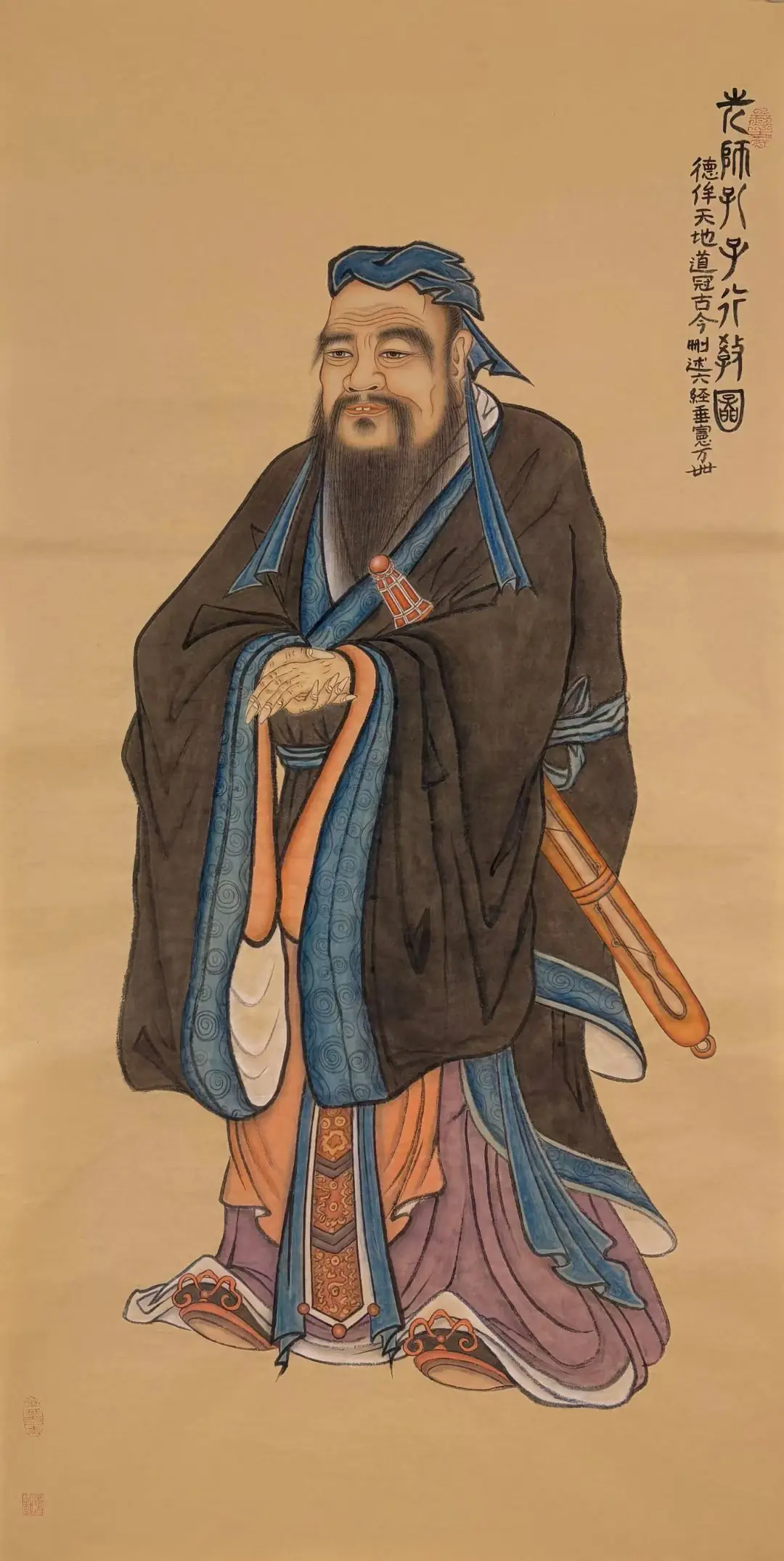
The Original Quote:
子曰:“吾未见刚者。”或对曰:“申枨。”子曰:“枨也欲,焉得刚。”
Zǐ yuē: “Wú wèi jiàn gāng zhě.” Huò duì yuē: “Shēn Chéng.” Zǐ yuē: “Chéng yě yù, yān dé gāng.”
English Translation:
“I have yet to meet a man of true fortitude,” said the Master. When someone replied, “What of Shen Cheng?” the Master answered, “Cheng is driven by desire—how could he possess fortitude?”
Key Concepts Explained:
- Gāng (刚): Fortitude, inner strength, or moral firmness—a quality of unyielding integrity that resists base impulses. In Confucian thought, it is akin to the ideal of the jūnzǐ (君子, exemplary person) who remains steadfast in virtue.
- Yù (欲): Desire or craving, often referring to excessive material or selfish wants. Confucius views unbridled desire as a barrier to moral strength, as it compromises one’s ability to act with principle.
Cultural Context:
This passage from The Analects (Lúnyǔ, 论语) reflects Confucius’ emphasis on self-cultivation and the struggle between human inclinations and ethical ideals. In Warring States China (5th–3rd century BCE), gāng was a prized virtue for officials and scholars, symbolizing incorruptibility. Confucius’ critique of Shen Cheng—a historical figure known for his learning—serves as a caution that intellectual achievement alone cannot replace moral discipline. The dialogue underscores the Confucian belief that true strength arises from mastering desires (克己, kè jǐ), a theme later expanded by Mencius and Neo-Confucian thinkers.