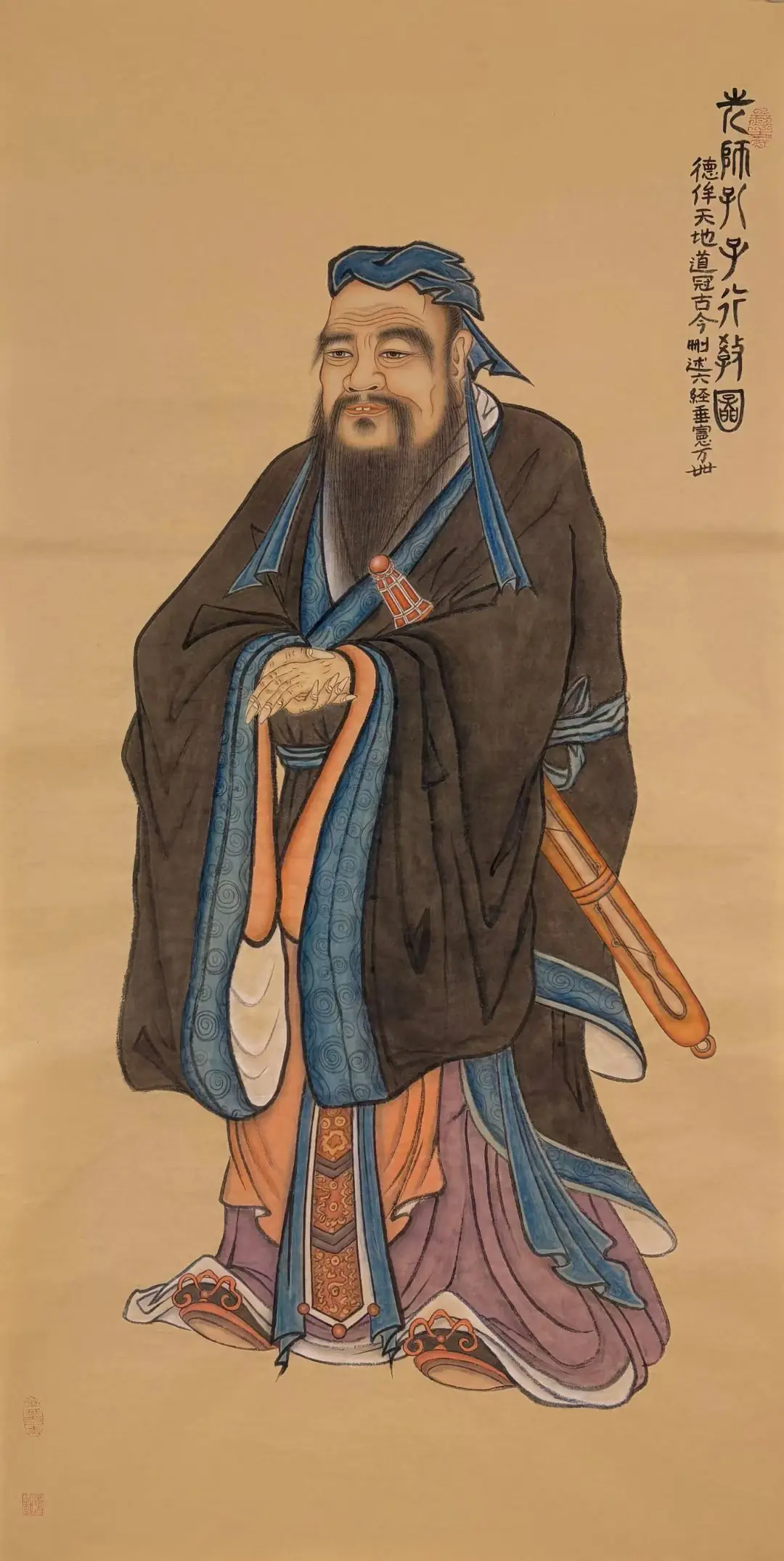
The Original Quote:
子路曰:“君子尚勇乎?”子曰:“君子义以为上。君子有勇而无义为乱,小人有勇而无义为盗。”
Zǐlù yuē: “Jūnzǐ shàng yǒng hū?” Zǐ yuē: “Jūnzǐ yì yǐ wéi shàng. Jūnzǐ yǒu yǒng ér wú yì wéi luàn, xiǎorén yǒu yǒng ér wú yì wéi dào.”
English Translation:
Zilu inquired: “Does the noble person esteem courage above all?” The Master replied: “The noble person holds righteousness (yì) as supreme. If a noble person possesses courage without righteousness, he becomes a source of disorder; if a petty person possesses courage without righteousness, he becomes a thief.”
Key Concepts Explained:
- Righteousness (yì 义): Moral appropriateness, justice, and duty—the guiding principle that aligns action with ethical integrity.
- Noble Person (jūnzǐ 君子): An exemplary individual who cultivates virtue and leads by moral example, often contrasted with the petty person.
- Courage (yǒng 勇): Bravery or valor, considered a virtue only when tempered by higher principles like righteousness and ritual propriety.
- Petty Person (xiǎorén 小人): A person of narrow moral vision, driven by self-interest rather than ethical norms.
- Ritual Propriety (lǐ 礼): Norms of conduct and social harmony, which also constrain courage in Confucian thought.
Cultural Context:
This passage from the Analects (Book 17, Chapter 23) emerges from the Warring States period (475–221 BCE), an era of political fragmentation and social upheaval that Confucius (551–479 BCE) decried as a collapse of moral order. Here, Confucius reframes courage—often celebrated in warrior cultures—as subordinate to righteousness (yì). He warns that untempered bravery leads to chaos (luàn) or theft (dào), reflecting his concern that valor without ethical grounding destabilizes society. Later thinkers like Xunzi expanded this, categorizing courage into base forms (e.g., animalistic or mercenary bravery) and the exalted “gentleman’s courage” (shì jūnzǐ zhī yǒng), which endures hardship for justice. This teaching underscores Confucianism’s emphasis on moral hierarchy: virtues like benevolence (rén 仁) and learning (xué 学) must precede and guide courage, a lesson still resonant in ethical leadership today.