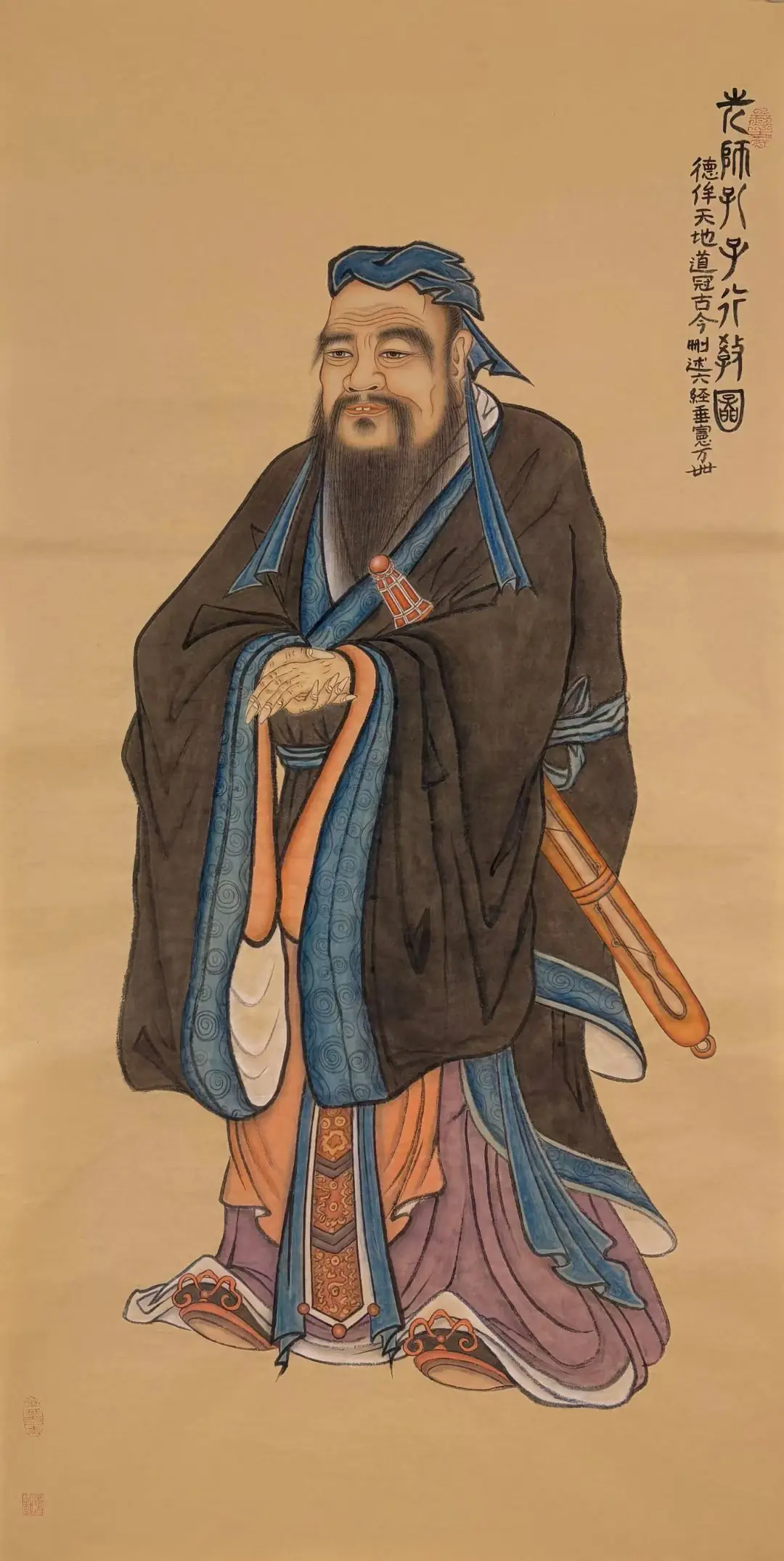
The Original Quote:
公山弗扰以费畔,召,子欲往。子路不说,曰:“末之也已,何必公山氏之之也?”子曰:“夫召我者而岂徒哉?如有用我者,吾其为东周乎!”
Gōngshān Fúrǎo yǐ Fèi pàn, zhào, zǐ yù wǎng. Zǐlù bù yuè, yuē: “Mò zhī yě yǐ, hé bì Gōngshān shì zhī zhī yě?” Zǐ yuē: “Fú zhào wǒ zhě ér qǐ tú zāi? Rú yǒu yòng wǒ zhě, wú qí wéi Dōngzhōu hū!”
English Translation:
When Gongshan Furao, holding the town of Fei, rebelled, he summoned the Master, who was minded to go. Zilu was displeased and said, “If there is nowhere to go, so be it; why must you go to this Gongshan?” The Master replied, “He who summons me—could it be for nothing? If there were one who would employ me, would I not revive the ways of Zhou in the East?”
Key Concepts Explained:
- Mìng (命): Mandate or destiny; here, the moral imperative to act when summoned, balanced by awareness of cosmic order and practical limits.
- Lǐ (礼): Ritual propriety, the foundational social order that rebels like Gongshan violated; Confucius seeks to restore it, not serve rebellion.
- Rén (仁): Benevolence or humaneness, the inner virtue that guides the sage’s choice—to serve only when consistent with moral integrity.
- Yì (义): Righteousness, the principle that overrides mere ambition; Confucius ultimately refrains, discerning that expediency cannot serve virtue.
Cultural Context:
This passage from the Analects (17.5) captures Confucius’s tension between political ambition and moral principle during the late Spring and Autumn period, when feudal lords and their retainers (陪臣, péichén) usurped authority. Gongshan Furao, a steward of the Ji clan, rebelled and sought Confucius’s prestige to legitimize his cause. While Confucius yearns to implement his vision of a restored Zhou dynasty—the golden age of ritual and harmony—he recognizes that joining a rebellion would compromise the very order he champions. His initial willingness, followed by refusal, reflects a nuanced understanding: in a collapsing world, the sage must sometimes withdraw to preserve integrity, teaching future generations rather than being consumed by corrupt power. This episode illustrates the Confucian ideal of “timely action” (时中, shí zhōng)—knowing when to advance and when to retreat, a lesson in principled pragmatism.