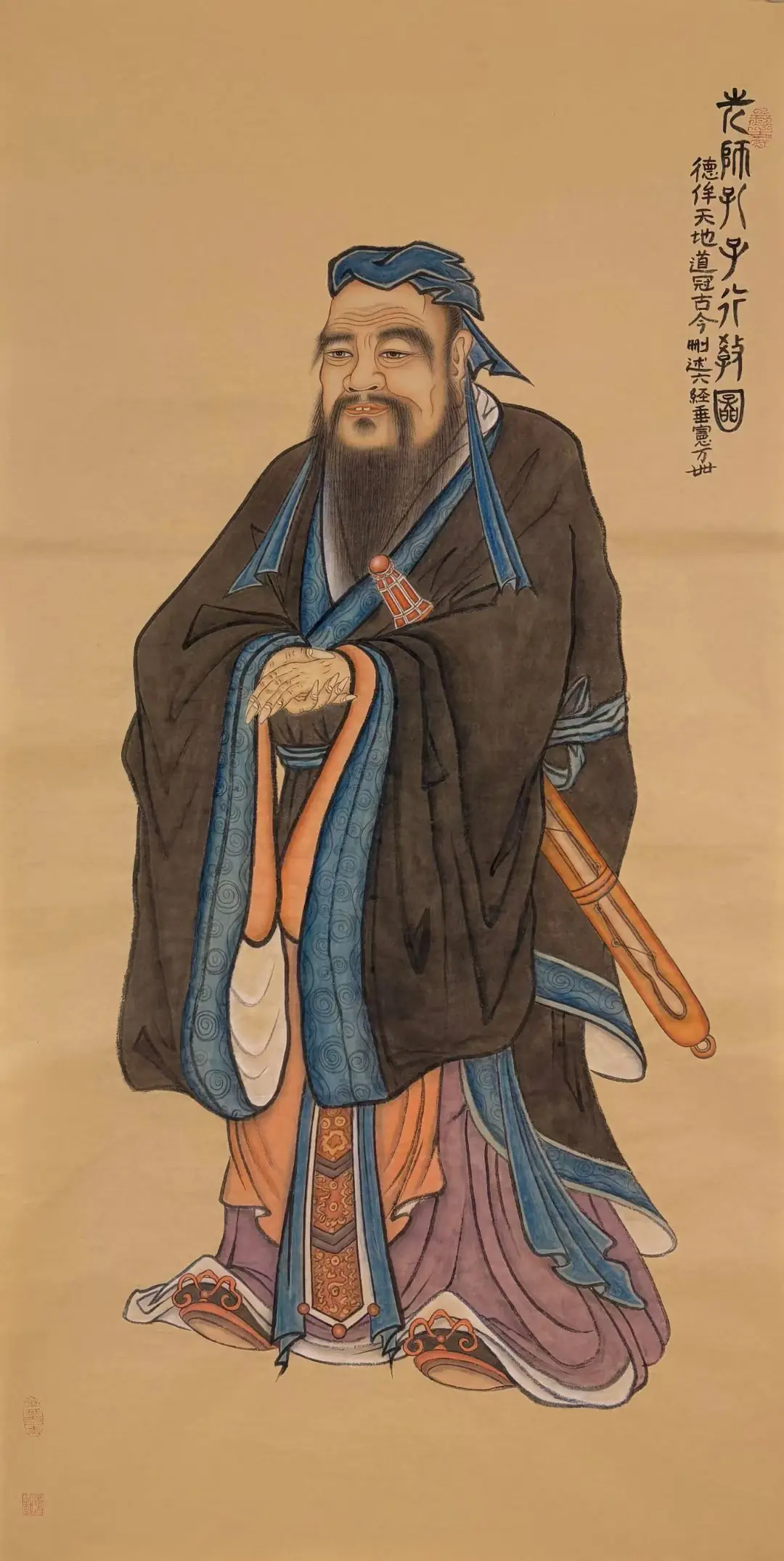
The Original Quote:
子曰:“性相近也,习相远也。”
Zǐ yuē: “Xìng xiāng jìn yě, xí xiāng yuǎn yě.”
English Translation:
“By nature, men are nearly alike; by practice, they become widely different.”
Key Concepts Explained:
- 性 (Xìng): Innate nature or disposition, the inherent quality shared by all humans, often linked to moral potential.
- 习 (Xí): Acquired habits, practice, or environmental influence, encompassing both education and social conditioning.
Cultural Context:
This aphorism, later echoed in the opening line of the classic primer Three Character Classic (《三字经》), serves as the philosophical foundation for Confucius’s revolutionary educational principle of 有教无类 (yǒu jiào wú lèi)—teaching without discrimination. It asserts that human equality lies in shared nature, while diversity stems from nurture, thus legitimizing education as the great equalizer in a hierarchical society.