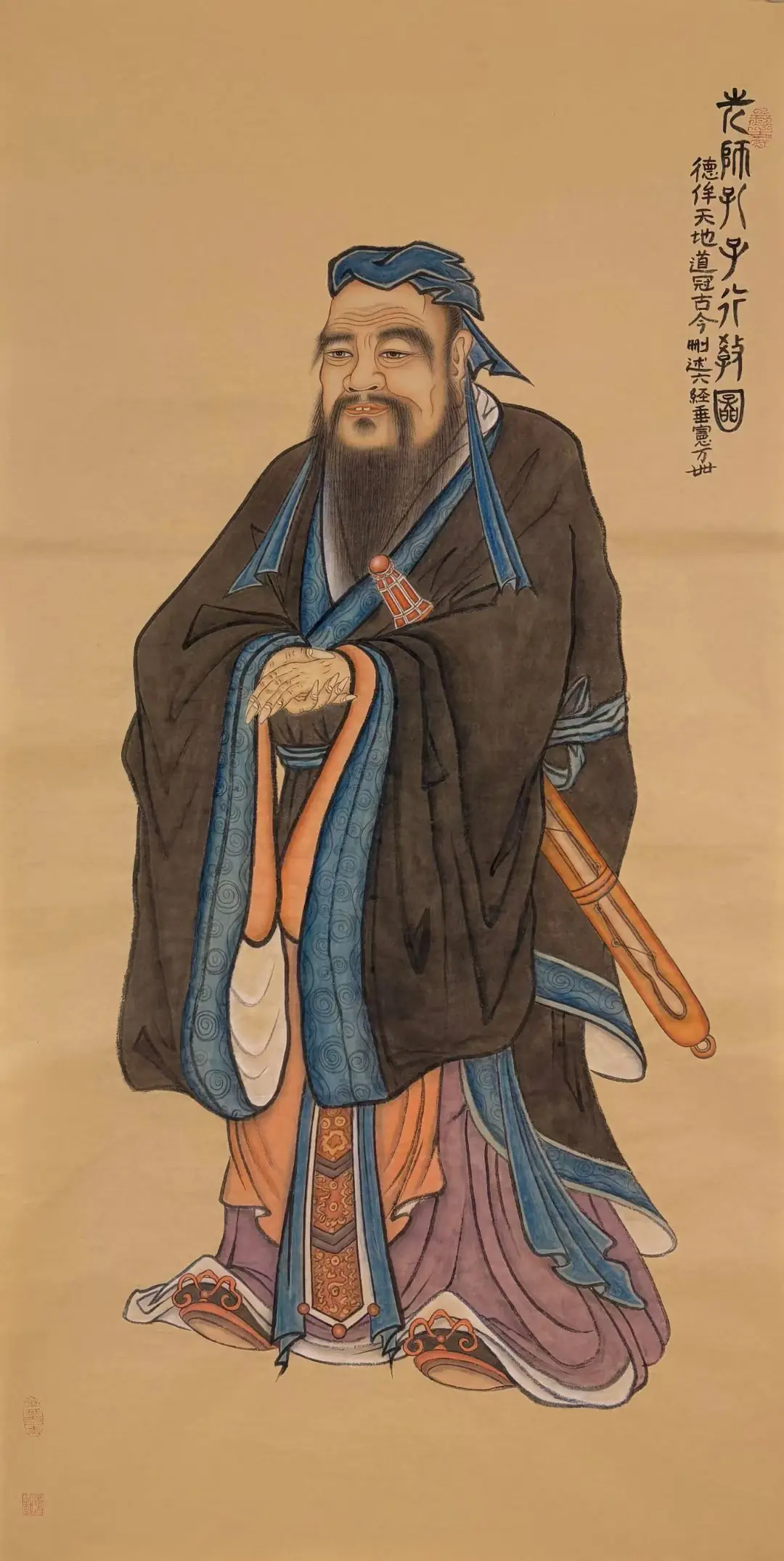
The Original Quote:
子曰:“唯上知与下愚不移。”
Zǐ yuē: “Wéi shàng zhī yǔ xià yú bù yí.”
English Translation:
The Master said: “Only the highest wisdom and the lowest folly are immutable.”
Key Concepts Explained:
- 上知 (Shàng Zhī): “Highest wisdom” — those of supreme intelligence or moral perfection, who naturally incline toward goodness without need for change.
- 下愚 (Xià Yú): “Lowest folly” — those of profound ignorance or incorrigible vice, who resist improvement despite all efforts.
- 移 (Yí): “To change or move” — the capacity for moral and intellectual transformation, central to Confucian self-cultivation.
- 性 (Xìng): “Human nature” — the innate disposition that, according to Confucius, is similar in all but shaped by education and environment.
- 仁 (Rén): “Benevolence” — the ultimate virtue of humaneness, pursued through continuous learning and self-reflection.
Cultural Context:
This passage from the Analects (Book 17, Chapter 3) reflects Confucius’s pragmatic view of human potential. In ancient Chinese society, where education was a path to moral and social advancement, Confucius emphasized that most people lie between the extremes of innate wisdom and utter folly. The “immutability” of the extremes is not absolute but relative: even the wise may err (as Sima Qian noted, “The wise, in a thousand thoughts, will have one mistake”), and the foolish may occasionally be correct. The core teaching is that transformation through learning is both possible and necessary for the majority—a cornerstone of Confucian ethics that has shaped East Asian educational philosophy for over two millennia. This concept also underscores the importance of self-criticism (自省, zìxǐng) and the joy of hearing one’s faults (闻过则喜, wén guò zé xǐ) as tools for moral growth.