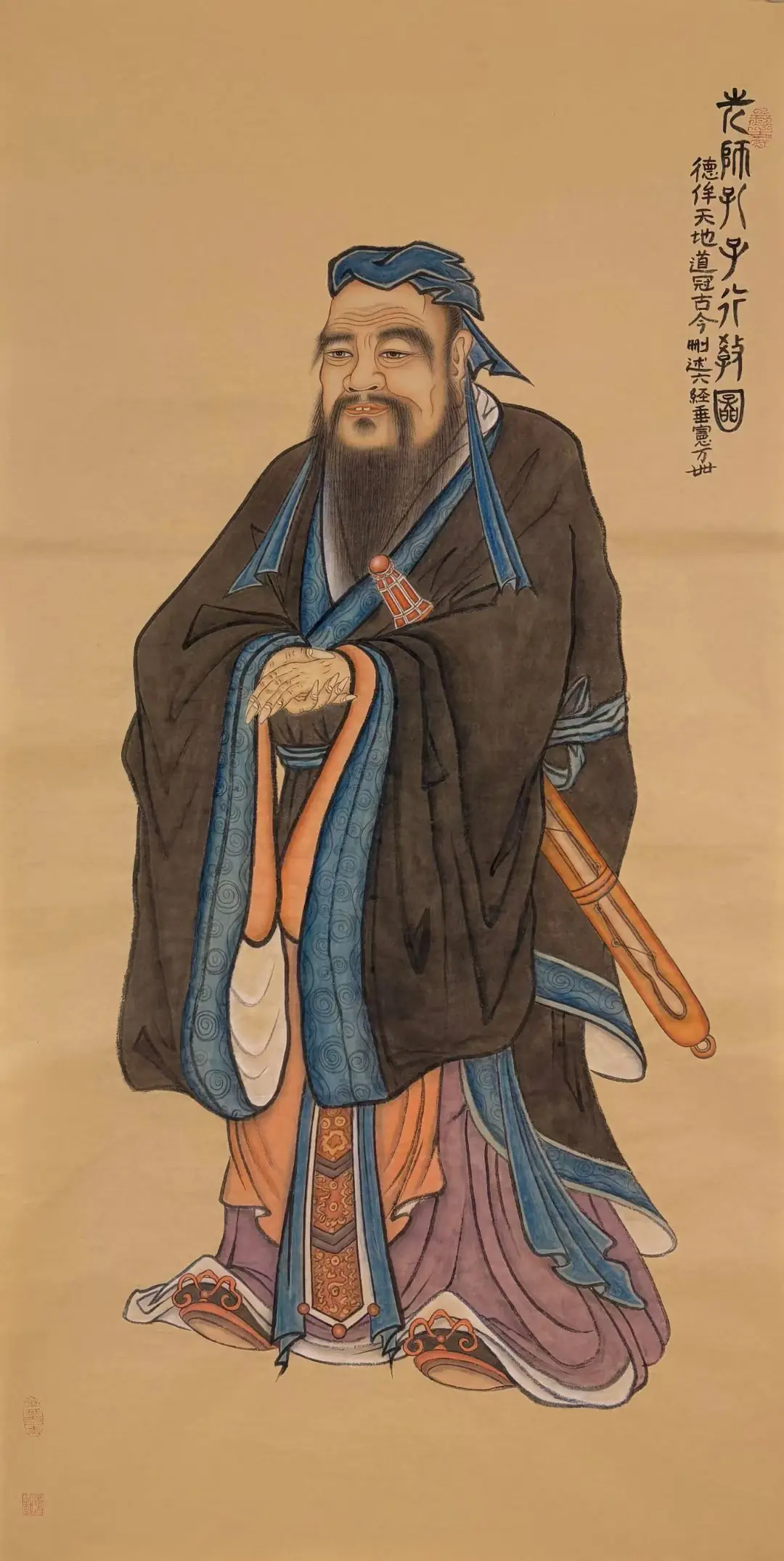
The Original Quote:
子曰:“泰伯,其可谓至德也已矣。三以天下让,民无得而称焉。”
Zǐ yuē: "Tài Bó, qí kě wèi zhì dé yě yǐ yǐ. Sān yǐ tiānxià ràng, mín wú dé ér chēng yān."
English Translation:
The Master said: "Tai Bo may indeed be said to have attained the utmost virtue (至德, zhì dé). Thrice he yielded the realm to another, yet the people could find no words to praise him fully."
Key Concepts Explained:
- 至德 (Zhì Dé): Supreme or utmost virtue—a moral perfection so profound that it transcends ordinary recognition, requiring no external acclaim.
- 让 (Ràng): Yielding or abdicating—an act of selfless deference, often to a worthier successor, rooted in the ideal of putting the common good above personal ambition.
- 命 (Mìng): Mandate or destiny—the heavenly charge to rule justly, which, in Confucian thought, is validated through virtue rather than hereditary claim.
- 仁 (Rén): Benevolence or humaneness—the core Confucian virtue of compassionate governance, exemplified by yielding power to benefit the people.
Cultural Context:
This passage from the Analects (8.1) extols Tai Bo, an ancient sage who thrice renounced the throne of Zhou to his younger nephew, Ji Li (father of King Wen). In an era when power was often seized through fratricide, Tai Bo's abdication embodied the Confucian ideal of moral leadership over hereditary right. Confucius praised such acts to counter the brutal power struggles of his own Spring and Autumn period, where brothers and sons vied for control. Historically, this yielding paved the way for the virtuous Zhou Dynasty, which endured for over 800 years—a testament to the political stability born from selfless governance. The lesson endures: leaders who prioritize merit over ego foster trust, innovation, and lasting prosperity in any organization or state.