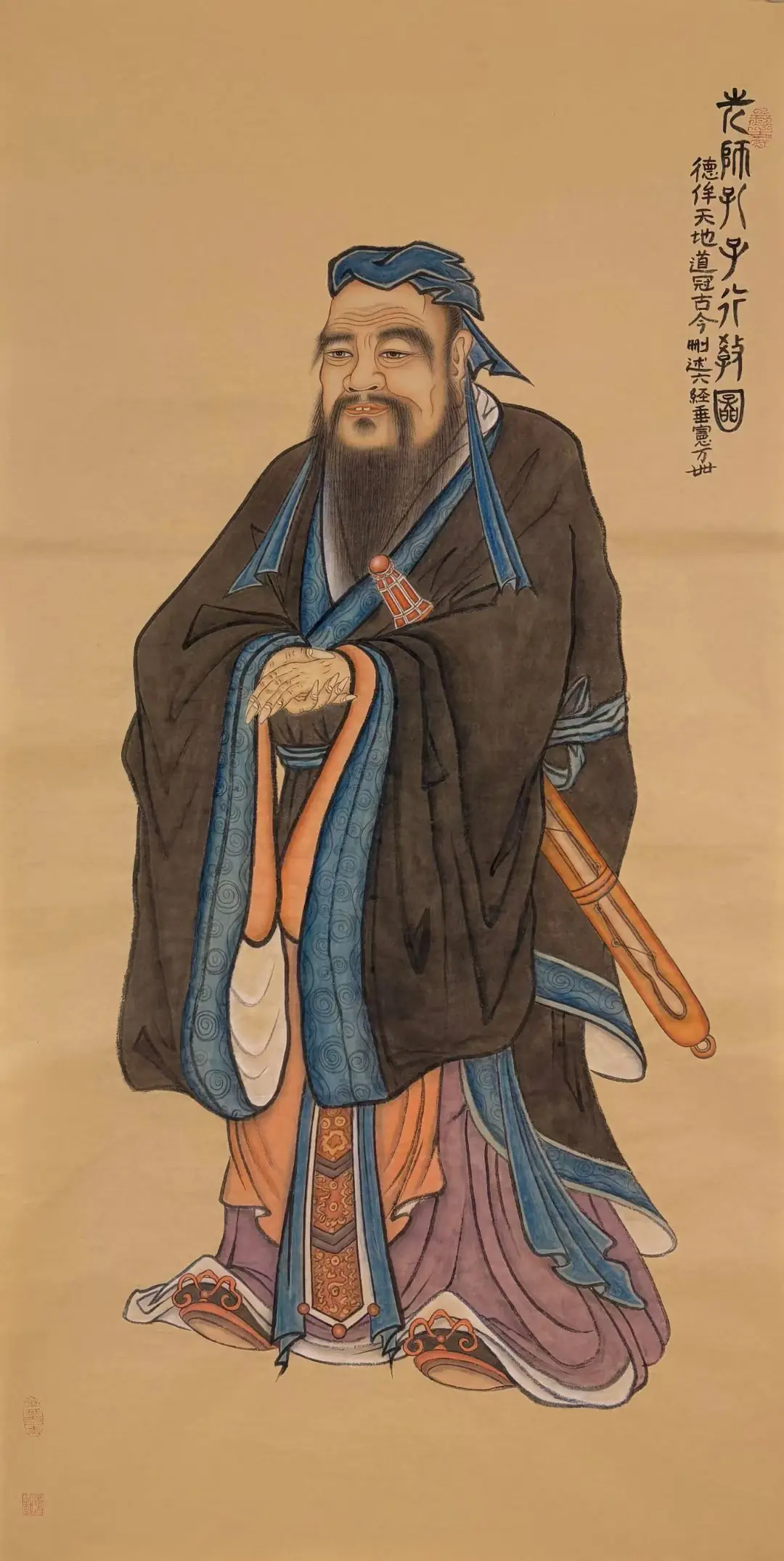
The Original Quote:
子曰:“如有周公之才之美,使骄且吝,其余不足观也已。”
Zǐ yuē: "Rú yǒu Zhōu Gōng zhī cái zhī měi, shǐ jiāo qiě lìn, qí yú bù zú guān yě yǐ."
English Translation:
Confucius said, "Even if a man possesses the splendid talents of the Duke of Zhou, yet if he be arrogant and stingy, all his other qualities are not worth beholding."
Key Concepts Explained:
- Talent (才, cái): Inborn ability and skill, especially in governance and ritual. Here, it symbolizes supreme competence, as embodied by the Duke of Zhou.
- Virtue (德, dé): Moral integrity and ethical conduct, which Confucius prioritizes over mere talent. Pride (骄, jiāo) and stinginess (吝, lìn) are vices that corrupt virtue.
- Ritual Propriety (礼, lǐ): The system of rites and norms that maintain social harmony. The Duke of Zhou was its architect, making his example a benchmark for ideal conduct.
Cultural Context:
The Duke of Zhou (周公, Zhōu Gōng) is revered in Chinese history as a paragon of wisdom and virtue. He served as regent after King Wu's death, quelling rebellions and establishing the foundational political and ritual systems of the Zhou dynasty, including feudalism (分封制, fēn fēng zhì) and the rites (礼乐制度, lǐ yuè zhì dù). Confucius, who admired him deeply, uses this extreme example to underscore a timeless lesson: even the most dazzling talent is rendered worthless by arrogance and stinginess. Historical figures like Emperor Yang of Sui (隋炀帝) and Emperor Zhuangzong of Later Tang (后唐庄宗) illustrate this warning—their brilliant achievements were undone by pride and greed, leading to personal ruin and dynastic collapse. This teaching remains culturally significant in East Asia, emphasizing that moral character, not just ability, is the foundation of leadership and harmony.