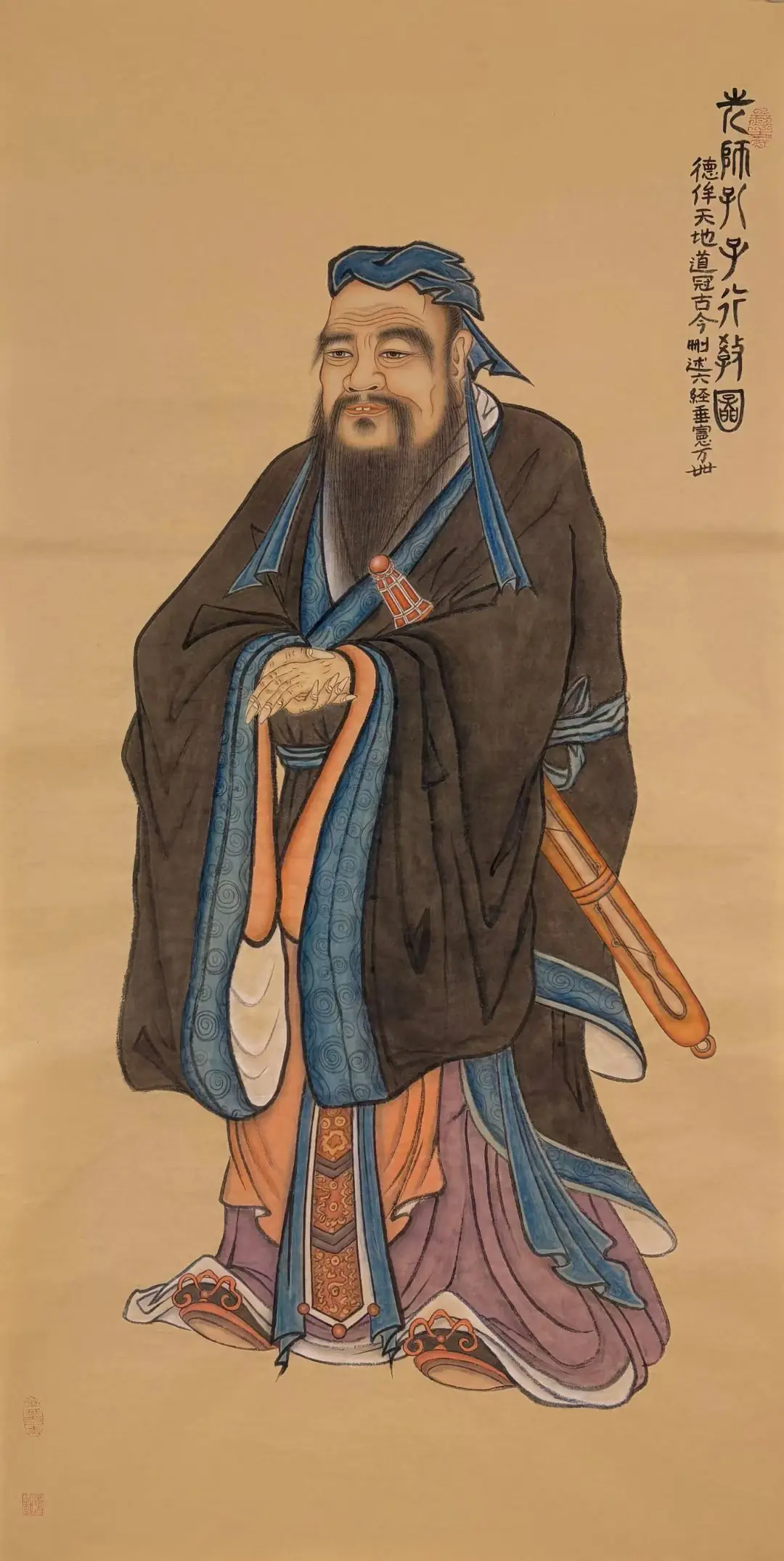
The Original Quote:
子曰:“不在其位,不谋其政。”
Zǐ yuē: "Bù zài qí wèi, bù móu qí zhèng."
English Translation:
"He who does not occupy a certain office should not deliberate upon its governance."
Key Concepts Explained:
- Position (位, wèi): Refers to one's social or official role, emphasizing the importance of acting within defined boundaries to maintain harmony.
- Propriety (礼, lǐ): The ritual and ethical code that governs behavior, ensuring actions align with one's station and societal order.
- Benevolence (仁, rén): The core virtue of humaneness, which manifests through respectful fulfillment of duties rather than overstepping roles.
Cultural Context:
This proverb from the Analects (Lunyu) encapsulates Confucius's advocacy for social order through defined roles, a cornerstone of Chinese governance and ethics. In ancient China, "mingfen" (名分, nominal status) dictated that each person's conduct must match their title to prevent chaos. Historically, this principle guided officials to focus on their own responsibilities, discouraging interference that could destabilize hierarchies. It remains a practical management lesson in modern contexts, promoting efficiency by respecting boundaries—a timeless insight into balancing ambition with duty.