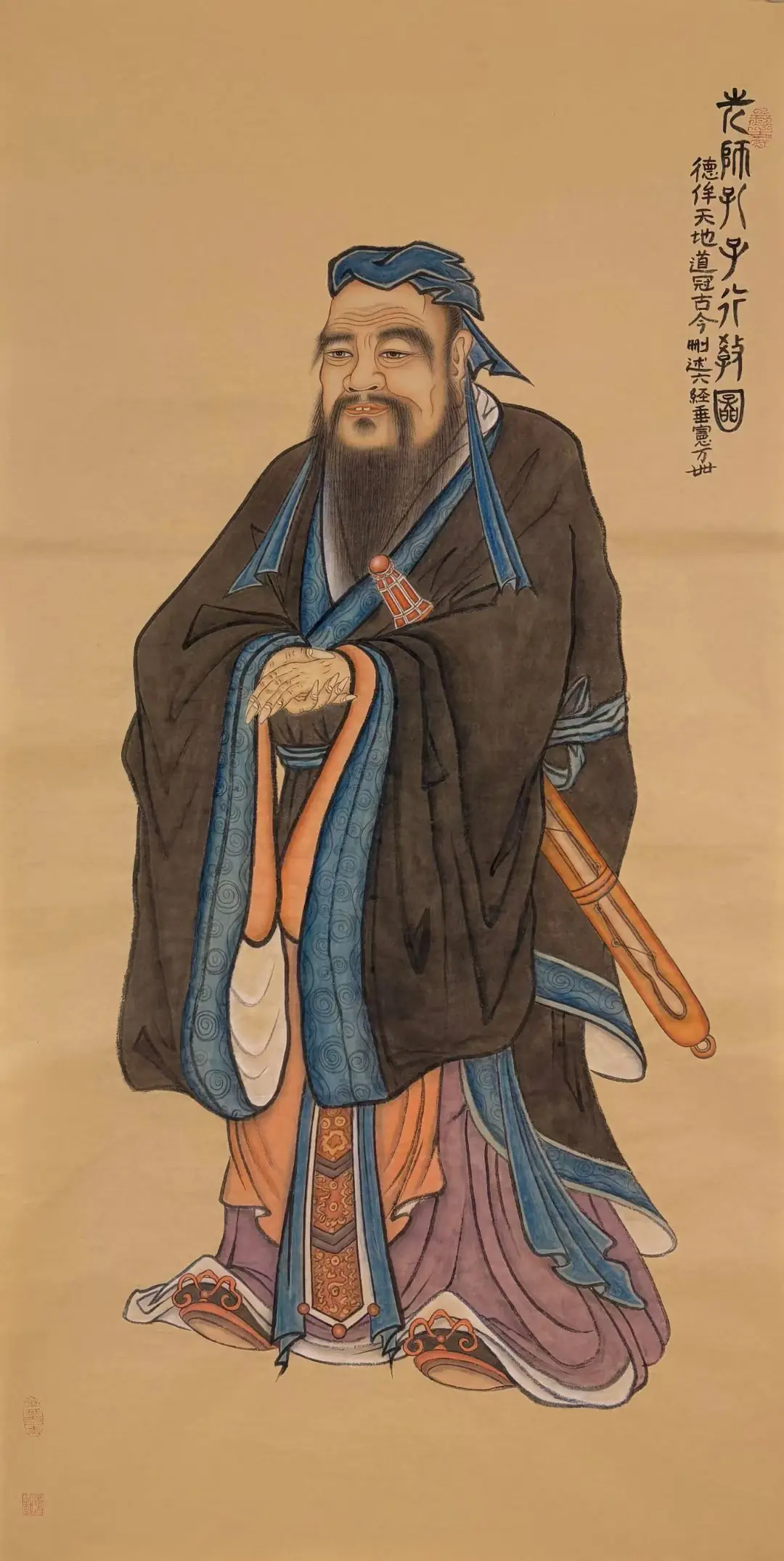
The Original Quote:
子曰:“兴于《诗》,立于礼,成于乐。”
Zǐ yuē: "Xīng yú 《Shī》, lì yú lǐ, chéng yú yuè."
English Translation:
The Master said: "Be aroused by the Book of Songs; take your stand through the practice of lǐ (ritual propriety); find completion in yuè (music and harmony)."
Key Concepts Explained:
- Shī (诗): The Book of Songs, an ancient anthology of 305 poems, valued for its moral and emotional insight, awakening the heart and mind to virtue.
- Lǐ (礼): Ritual propriety or normative behavior, the framework of social and personal conduct that establishes one’s character and place in the community.
- Yuè (乐): Music and harmony, viewed as the culmination of self-cultivation, refining the spirit and integrating all learning into a harmonious whole.
Cultural Context:
This passage from the Analects (Book 8, Chapter 8) encapsulates Confucius’s educational philosophy, emphasizing a holistic progression: poetry (emotional and intellectual awakening), ritual (ethical grounding and social stability), and music (spiritual and aesthetic completion). In ancient China, these three arts were essential for cultivating a jūnzǐ (君子, exemplary person), blending moral discipline with creative expression. This framework reflects the Confucian ideal of harmony between inner virtue and outer conduct, foundational to Chinese cultural and educational traditions for over two millennia.