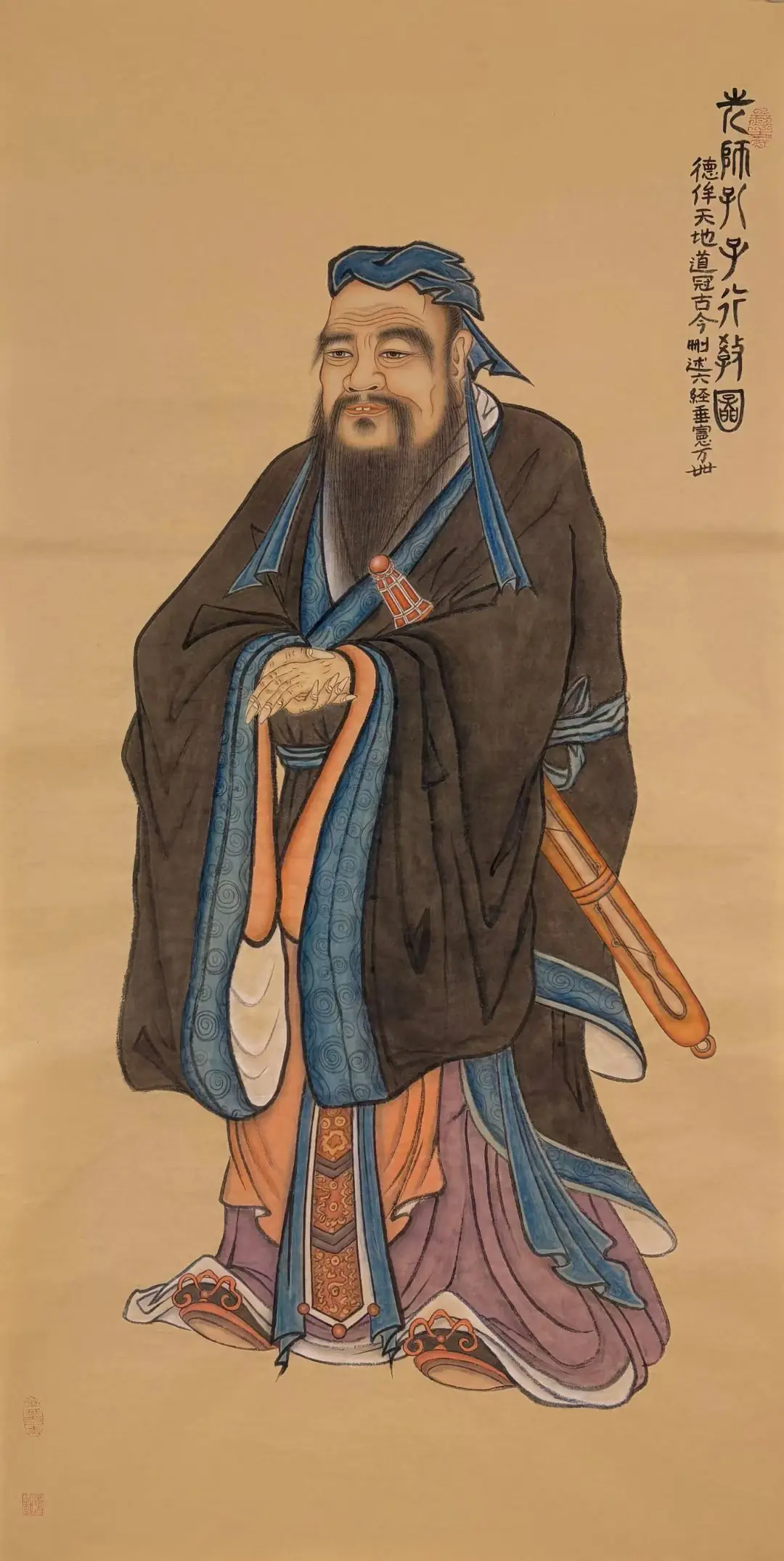
The Original Quote:
子曰:“师挚之始,《关雎》之乱,洋洋乎盈耳哉!”
Zǐ yuē: “Shī Zhì zhī shǐ, ‘Guān Jū’ zhī luàn, yáng yáng hū yíng ěr zāi!”
English Translation:
The Master said: “From the commencement by Grand Musician Zhi to the finale of the ‘Guan Ju’ ode, how the grand and harmonious sounds filled my ears with abundance!”
Key Concepts Explained:
- 乐 (yuè): Music, but in Confucian thought, it transcends artistry—it is a vessel for moral harmony and social order, embodying the unity of truth, goodness, and beauty.
- 礼 (lǐ): Ritual propriety; the system of rites and norms that structure society. Music (yuè) complements lǐ, as both cultivate inner virtue and outer conduct.
- 仁 (rén): Benevolence or humaneness, the core virtue that music and ritual aim to nurture, guiding individuals toward goodness.
Cultural Context:
This passage, recorded in the Analects, captures Confucius’s praise after hearing a performance by the Grand Musician Zhi, likely upon his return to Lu from Wei. In ancient Chinese civilization, music was not mere entertainment but a pillar of the 礼乐制度 (lǐ yuè zhì dù)—the system of rites and music that regulated society. Confucius championed restoring this Zhou-dynasty system, believing that dignified, harmonious music (雅乐, yǎ yuè) could refine character, rectify hearts, and foster social harmony. Conversely, decadent tunes (靡靡之音, mí mí zhī yīn) were seen as corrupting. This philosophy influenced later rulers, who promoted uplifting music to cultivate virtue, as exemplified by the Han official Song Hong’s rebuke of the musician Huan Tan for playing frivolous melodies before Emperor Guangwu.