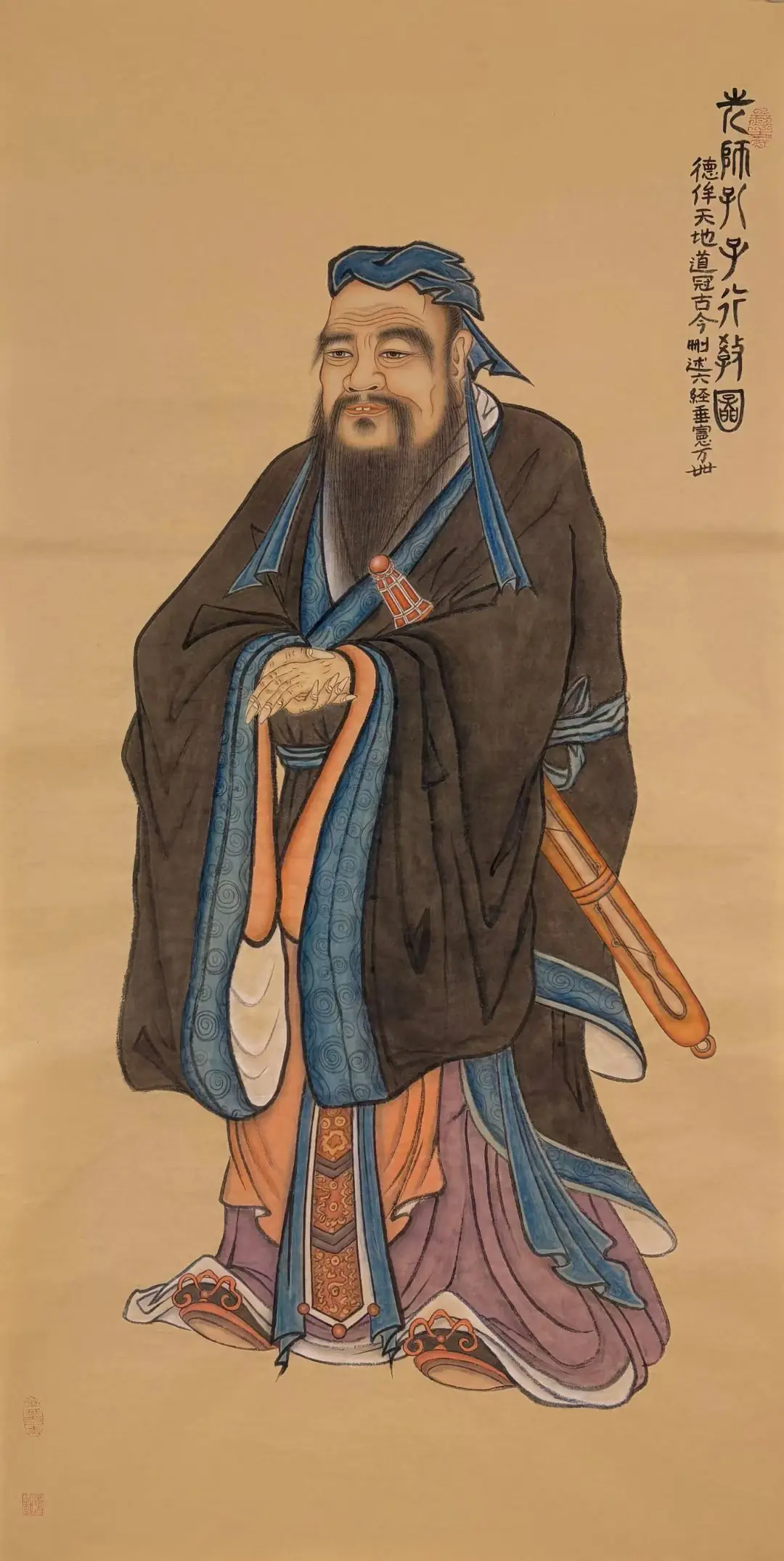
The Original Quote:
子曰:“民可使由之,不可使知之。”
Zǐ yuē: “Mín kě shǐ yóu zhī, bù kě shǐ zhī zhī.”
English Translation:
The Master said: “The common people may be made to follow a path, but they may not be made to understand why it is so.”
Key Concepts Explained:
- 民 (mín): The people, the common populace—refers to the governed masses in a hierarchical society, distinct from the ruling elite (君子, jūnzǐ).
- 由之 (yóu zhī): To follow or be led along a path—implies obedience and compliance with established norms or directives.
- 知之 (zhī zhī): To know or understand the reasons—represents intellectual enlightenment and full comprehension of governing principles.
- 礼 (lǐ): Ritual propriety, the social order rooted in tradition—central to Confucian governance as the framework for harmony.
- 仁 (rén): Benevolence or humaneness—the cardinal virtue of Confucianism, ideally guiding rulers to act for the people’s welfare.
Cultural Context:
This passage from the Analects (Book VIII, Chapter 9) has long been a focal point of debate in Confucian scholarship. Historically, it has been interpreted as endorsing a paternalistic or even “fooling-the-people” (愚民, yú mín) approach to governance—a view that rulers should guide subjects without granting them full knowledge, to ensure social stability and administrative efficiency. This reading aligns with ancient practices, such as the Western Zhou policy of keeping laws secret from the populace, as seen in the maxim “法不可知,则为不可测” (If the law is unknown, its power is unfathomable). However, alternative interpretations emphasize the pragmatic context: Confucius may have been addressing the practical limits of educating every individual in an agrarian society, rather than advocating deliberate ignorance. The passage thus illuminates a persistent tension in Confucian political thought between the ideal of benevolent rule (仁政, rén zhèng) and the reality of hierarchical control, a theme that resonates through Chinese history from the Spring and Autumn period to modern critiques of authoritarianism.