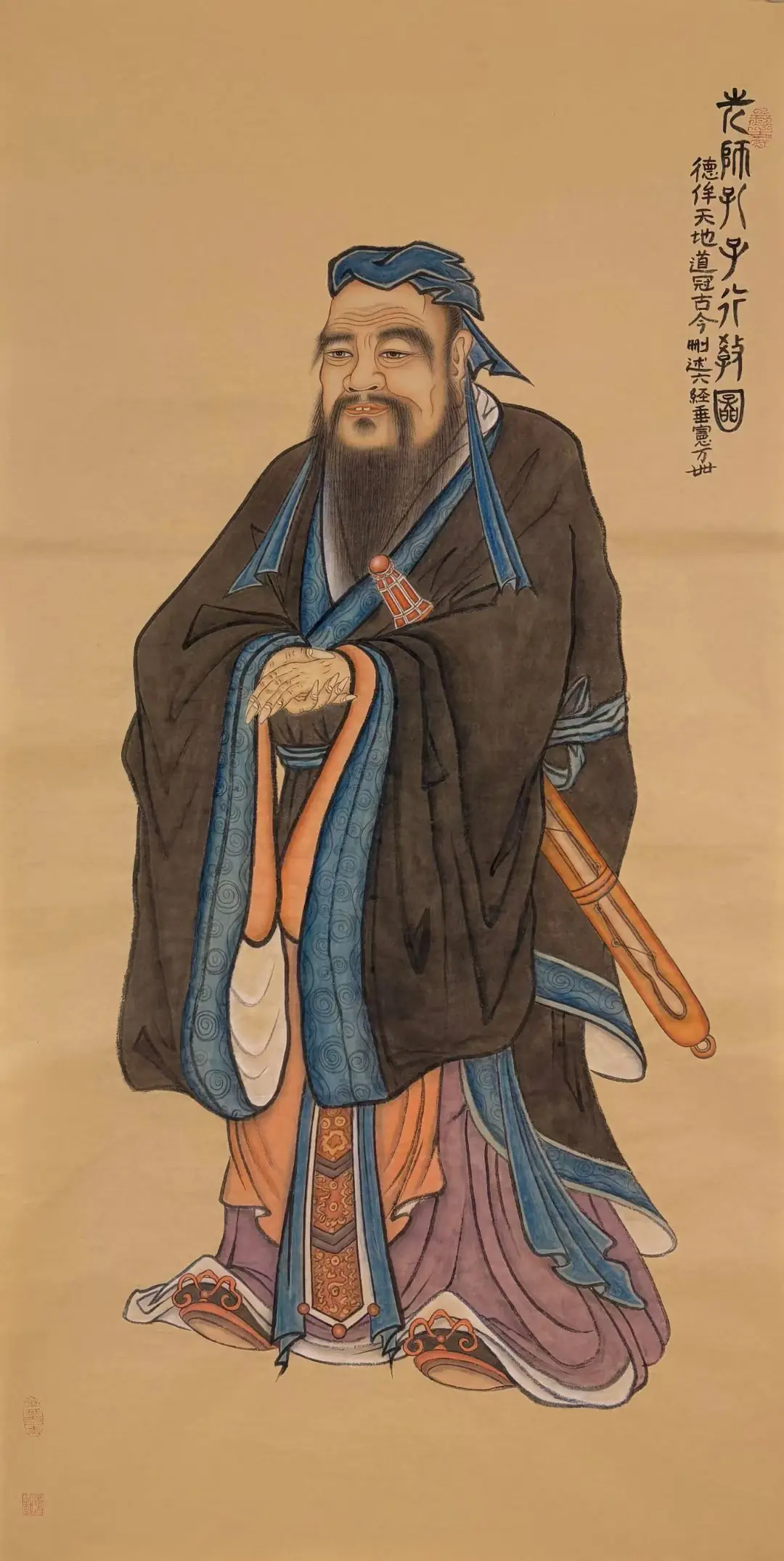
The Original Quote:
子曰:“学如不及,犹恐失之。”
Zǐ yuē: “Xué rú bù jí, yóu kǒng shī zhī.”
English Translation:
The Master said: “Learn as though you cannot catch up, and as though you fear losing what you have gained.”
Key Concepts Explained:
- 学 (xué): Learning, study, or the pursuit of knowledge—encompassing both the acquisition of new insights and the cultivation of virtue.
- 不及 (bù jí): Not reaching, not catching up—expresses the urgency and humility of the learner who feels perpetually behind.
- 恐失 (kǒng shī): Fearing loss—reflects a reverent caution toward knowledge, not mere anxiety but a disciplined vigilance to preserve what has been understood.
Cultural Context:
This passage from the Analects (Lunyu) captures Confucius’s view of learning as a lifelong, dynamic process rather than a static achievement. In classical Confucian education, the learner never arrives at final mastery; instead, one remains forever a student—humble, diligent, and reverent toward both new discovery and old wisdom. The metaphor of “catching up” suggests that true knowledge is boundless, while the fear of “losing it” warns against complacency and forgetfulness. This attitude shaped centuries of Chinese scholarly tradition, where constant review and self-cultivation were seen as essential to moral and intellectual growth.