The Original Quote:
子曰:“善人教民七年,亦可以即戎矣。”
Zǐ yuē: “Shàn rén jiào mín qī nián, yì kě yǐ jí róng yǐ.”
English Translation:
“When a man of virtue (shàn rén) has instructed the common people for seven years, they may then be employed in warfare.”
Key Concepts Explained:
- 善人 (Shàn Rén): A person of moral excellence and benevolence; one who embodies rén (仁) in governance and education.
- 教 (Jiào): To teach, instruct, or cultivate—implying both moral and practical training, not mere indoctrination.
- 民 (Mín): The common people, whose welfare is central to Confucian statecraft.
- 即戎 (Jí Róng): To engage in military service or warfare; here, defensive war in service of the state’s survival.
- 仁 (Rén): Benevolence or humaneness, the core Confucian virtue that guides all action, including war.
- 礼 (Lǐ): Ritual propriety and social order, which must be preserved even in times of conflict.
Cultural Context:
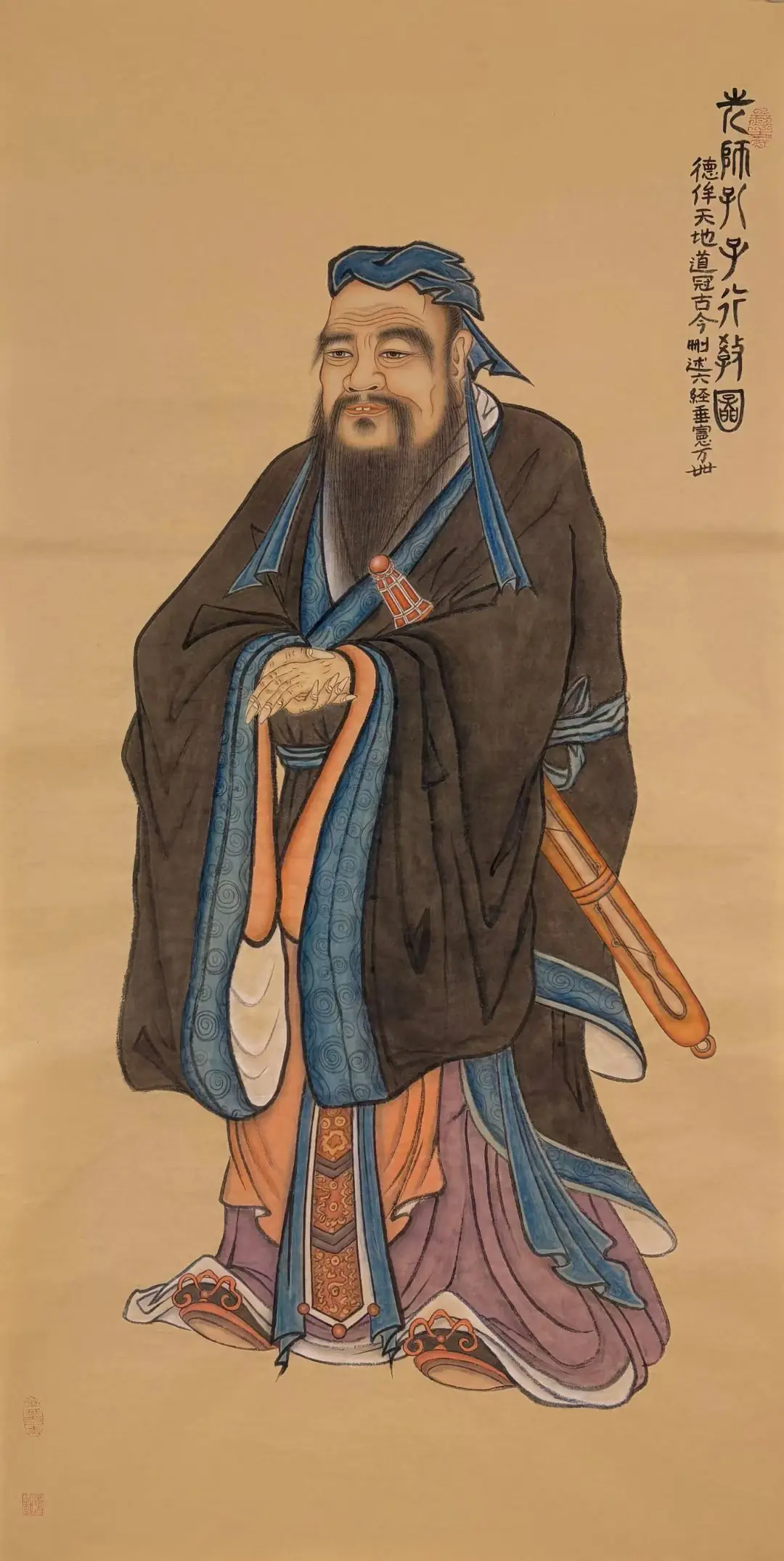
Confucius, though a proponent of peace and an opponent of aggressive, expansionist war, recognized the necessity of national defense. In the turbulent Warring States period, he taught that a state must cultivate its people through moral education (教) before expecting them to bear arms. The “seven years” symbolizes sufficient time for ethical training to instill loyalty, discipline, and a sense of duty—transforming citizens into defenders of their homeland, not mere soldiers. This reflects the Confucian ideal that military strength must be rooted in virtue (德), not coercion, and that preparedness prevents crisis—a principle echoed in the ancient adage: “Though the world be at peace, forgetfulness of war invites peril.”