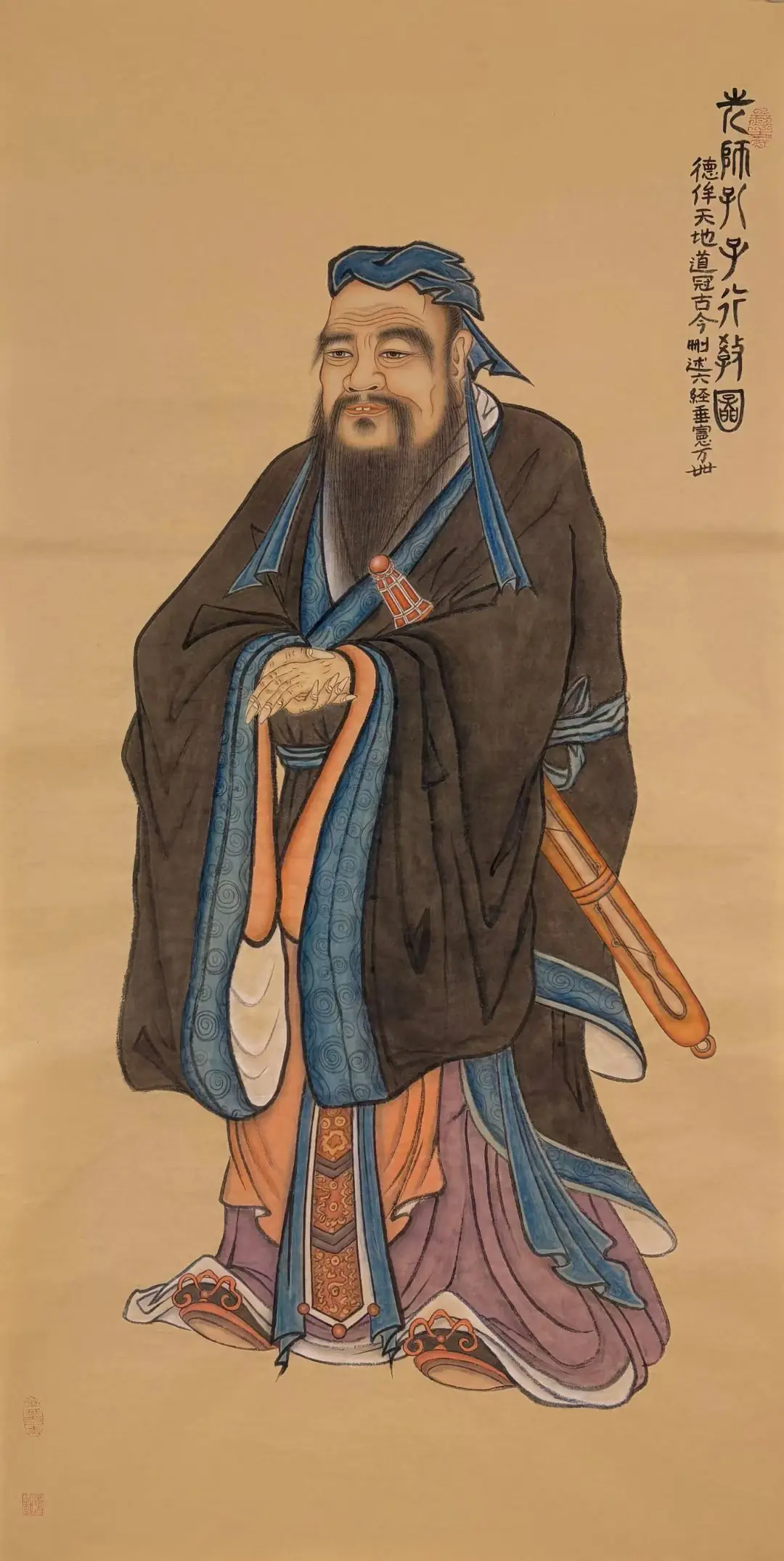
The Original Quote:
子曰:“诵《诗》三百,授之以政,不达;使于四方,不能专对;虽多,亦奚以为?”
Zǐ yuē: “Sòng ‘Shī’ sān bǎi, shòu zhī yǐ zhèng, bù dá; shǐ yú sì fāng, bù néng zhuān duì; suī duō, yì xī yǐ wéi?”
English Translation:
The Master said: “One who has memorized the three hundred Odes, yet when entrusted with governance, fails to understand its application; when sent as an envoy to the four quarters, cannot respond independently—though learned, of what use is it?”
Key Concepts Explained:
- Shī (《诗》): The Classic of Poetry, a foundational Confucian text of 305 odes, valued for moral insight and diplomatic rhetoric.
- Dá (达): “To penetrate” or “realize”—signifying the practical mastery of knowledge, not mere intellectual grasp.
- Zhuān duì (专对): “Independent response”—the ability to adapt classical wisdom to novel situations, a key diplomatic skill in ancient China.
- Wéi (为): “To be of use”—underscoring Confucius’s pragmatic view that knowledge without action is hollow.
Cultural Context:
This passage, from Analects 13.5, reflects Confucius’s core educational philosophy: 学以致用 (xué yǐ zhì yòng)—“learning for the sake of application.” In the Zhou dynasty, the Odes were not merely literary works but tools of statecraft—used in diplomacy, governance, and moral cultivation. Confucius here critiques the scholar-official who treats learning as rote memorization, detached from real-world responsibility. This principle later shaped China’s civil examination system, which emphasized both textual mastery and practical judgment. The warning remains timeless: knowledge divorced from action is a vessel without purpose.