The Original Quote:
子曰:“君子和而不同,小人同而不和。”
Zǐ yuē: “Jūnzǐ hé ér bù tóng, xiǎorén tóng ér bù hé.”
English Translation:
The Master said: “The noble person (jūnzǐ 君子) seeks harmony (hé 和) yet not uniformity (tóng 同); the petty person (xiǎorén 小人) seeks uniformity yet not harmony.”
Key Concepts Explained:
- 和 (hé): Harmony—a dynamic balance achieved through the integration of differences, akin to the blending of flavors in a well-prepared dish or the interplay of notes in music. It implies respectful coexistence and mutual enrichment.
- 同 (tóng): Uniformity—blind agreement or mechanical sameness, devoid of independent thought or principled distinction. It often leads to superficial conformity and underlying discord.
- 君子 (jūnzǐ): The noble person—an individual of moral cultivation who exercises independent judgment (sī 思) and adheres to ritual propriety (lǐ 禮) and benevolence (rén 仁).
- 小人 (xiǎorén): The petty person—one who lacks moral autonomy, seeking social approval through uncritical agreement, yet failing to foster genuine relationships.
Cultural Context:
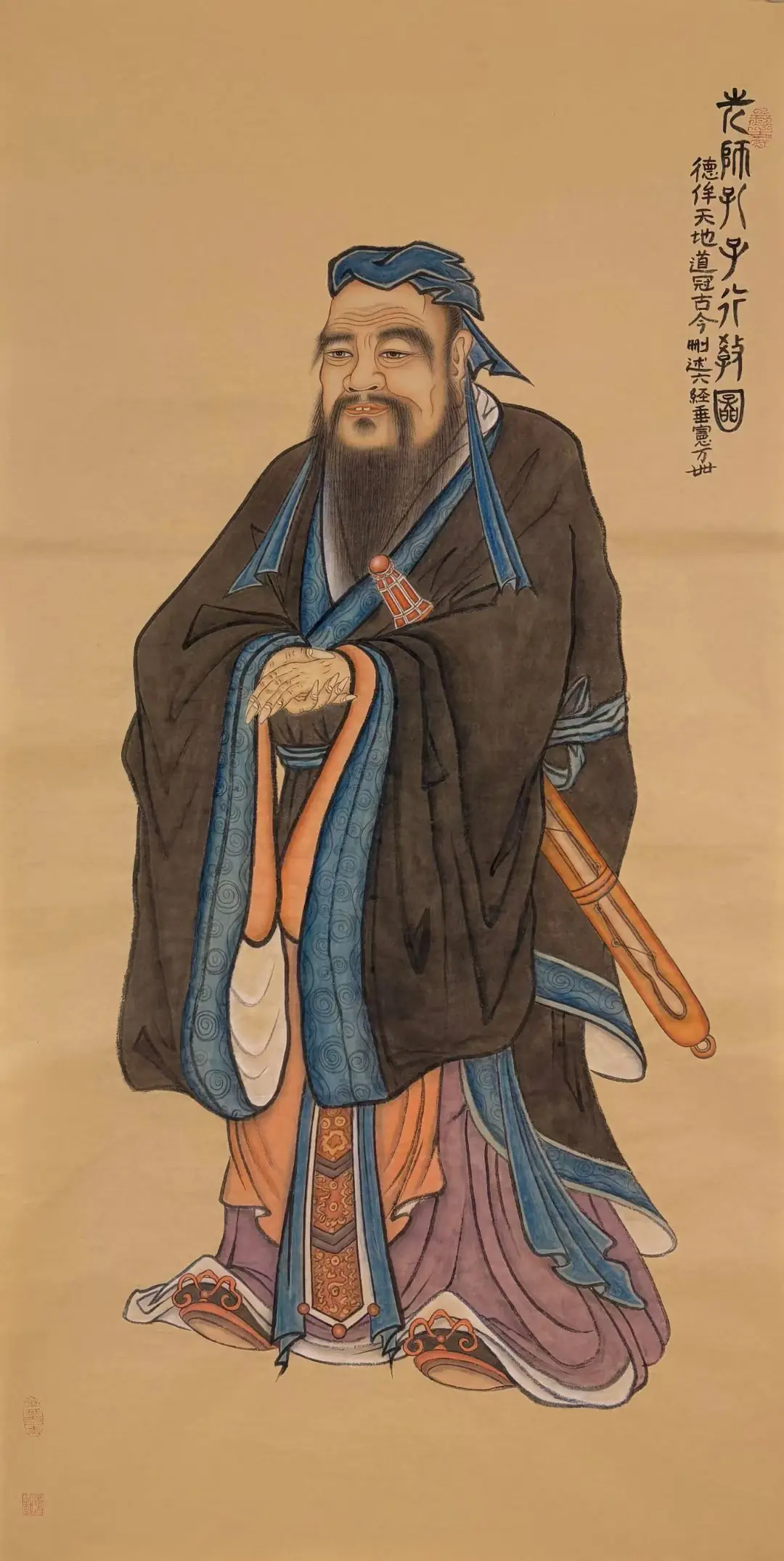
This passage from the Analects (Lúnyǔ 論語, Book 13, Chapter 23) encapsulates a core Confucian principle that has shaped Chinese social ethics for over two millennia. In an era of feudal fragmentation during the Spring and Autumn period (770–476 BCE), Confucius (Kǒngzǐ 孔子) advocated for a society where individuals could maintain their unique perspectives while contributing to collective harmony—a vision that opposed the rigid conformity of authoritarian rule. The concept of “hé ér bù tóng” later influenced Chinese diplomacy, education, and even culinary traditions, emphasizing that true unity arises not from suppressing difference but from integrating it with mutual respect. This wisdom remains globally relevant today, offering a philosophical foundation for pluralism and intercultural dialogue.