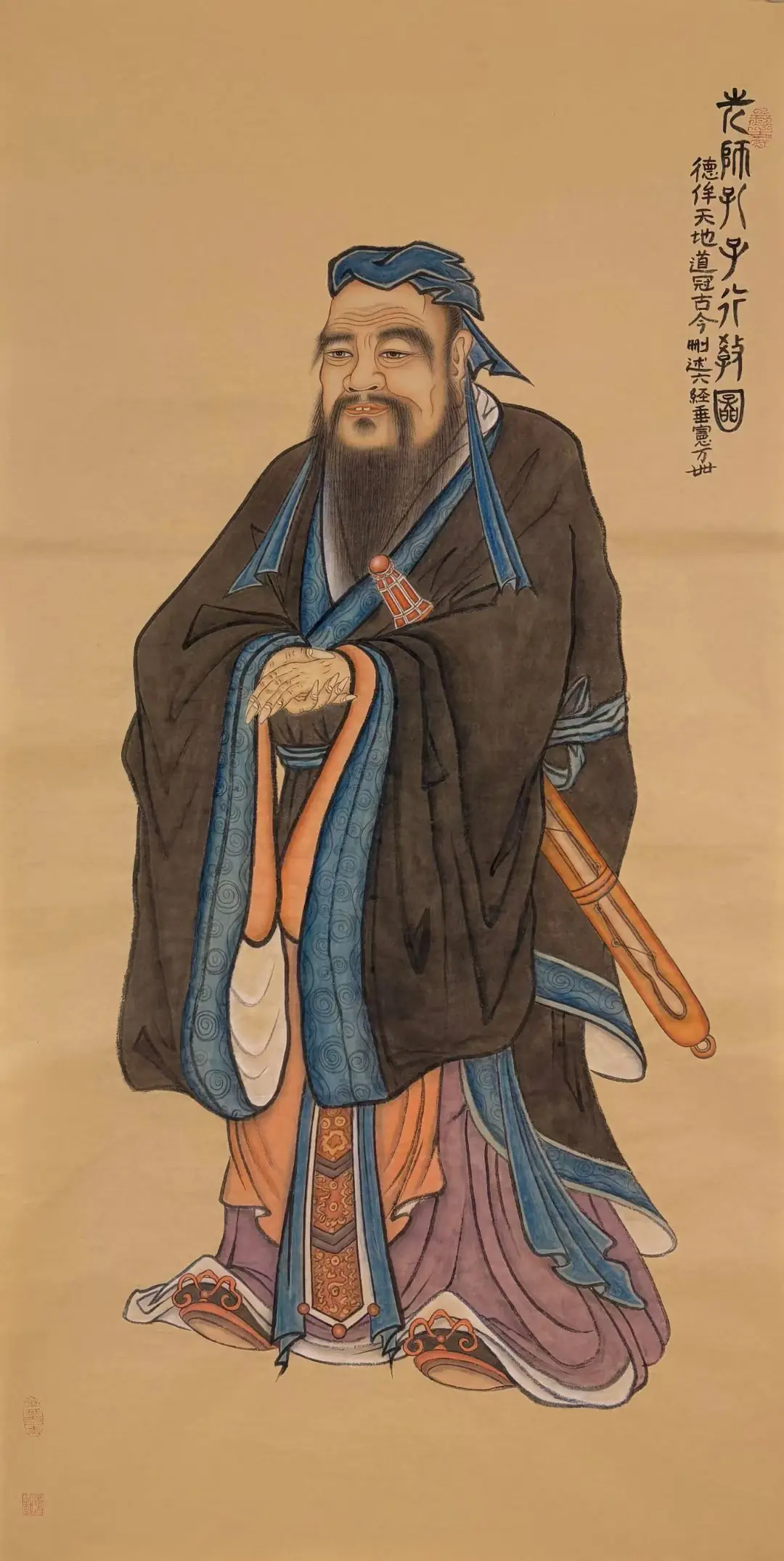
The Original Quote:
叶公问政,子曰:“近者说,远者来。”
Yè Gōng wèn zhèng, zǐ yuē: “Jìn zhě yuè, yuǎn zhě lái.”
English Translation:
When the Duke of She inquired about governance, the Master replied: “Let those near at hand be delighted, and those far away will come of their own accord.”
Key Concepts Explained:
- 政 (zhèng): Governance or righteous rule—not merely administration, but the moral cultivation of society through ritual and virtue.
- 说 (yuè): Delight or contentment—a state of heartfelt satisfaction arising from benevolent leadership, akin to 仁 (rén) in action.
- 远者来 (yuǎn zhě lái): The voluntary coming of distant peoples—a natural consequence of good governance, reflecting 礼 (lǐ) as harmonious order that radiates outward.
Cultural Context:
The Duke of She (She Gong), a noble of the state of Chu, was renowned for his open administration, cautious punishments, and light taxes—practices that won popular acclaim. When Confucius visited Chu, the Duke sought his counsel, and this exchange encapsulates a core Confucian ideal: governance is not coercion but cultivation. By nurturing 命 (mìng) as the moral mandate through virtuous example, a ruler creates a center of harmony that naturally attracts others, much like a well-tended garden draws bees. This principle later influenced Chinese statecraft, emphasizing moral suasion over force, and echoes in cross-cultural leadership theories today.