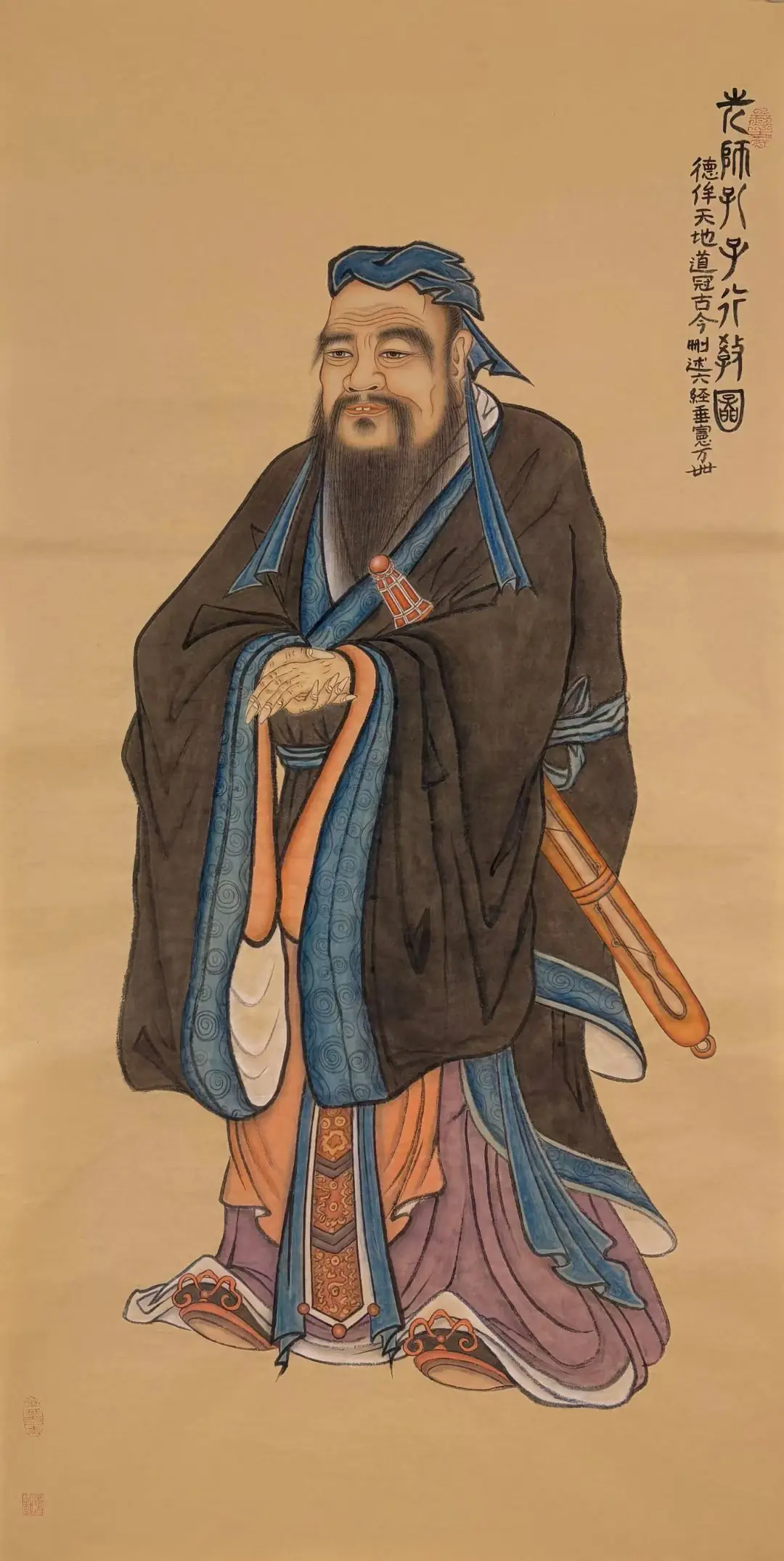
The Original Quote:
子曰:“南人有言曰:‘人而无恒,不可以作巫医。’善夫!”“不恒其德,或承之羞。”子曰:“不占而已矣。”
Zǐ yuē: “Nán rén yǒu yán yuē: ‘Rén ér wú héng, bù kě yǐ zuò wū yī.’ Shàn fū!” “Bù héng qí dé, huò chéng zhī xiū.” Zǐ yuē: “Bù zhān ér yǐ yǐ.”
English Translation:
The Master said: “The southerners have a saying: ‘A man without constancy cannot even be a shaman or a physician.’ How true this is!” The Book of Changes says: “If one does not persist in virtue, shame may come upon him.” The Master added: “This means that such a person need not consult the oracle—for it is already clear.”
Key Concepts Explained:
- Héng (恒): Constancy, perseverance, or steadfastness—a foundational virtue in Confucian ethics, denoting the unwavering commitment to moral cultivation and sustained effort in all endeavors.
- Dé (德): Virtue or moral power—the inner quality cultivated through consistent practice of righteousness and propriety, central to personal and social harmony.
- Zhān (占): Divination or consulting the oracle—in this context, indicating that without constancy, even seeking guidance from the divine is futile, as the outcome is predetermined by one’s lack of resolve.
Cultural Context:
This passage from the Analects (13.22) underscores the Confucian emphasis on héng (恒) as an essential trait for both personal cultivation and professional competence. In early Chinese society, shamans (wū 巫) and physicians (yī 医) were considered lowly occupations, yet even they required unwavering dedication; without it, success was impossible. Confucius here draws on a folk saying and the Book of Changes (Yì Jīng 易经) to argue that constancy is the bedrock of all achievement. Historically, this teaching influenced generations of scholars and officials, who saw perseverance as key to moral integrity and social leadership. The reference to divination also reflects the ancient belief that virtue, not fate, determines one’s destiny—a core Confucian departure from fatalistic thinking.