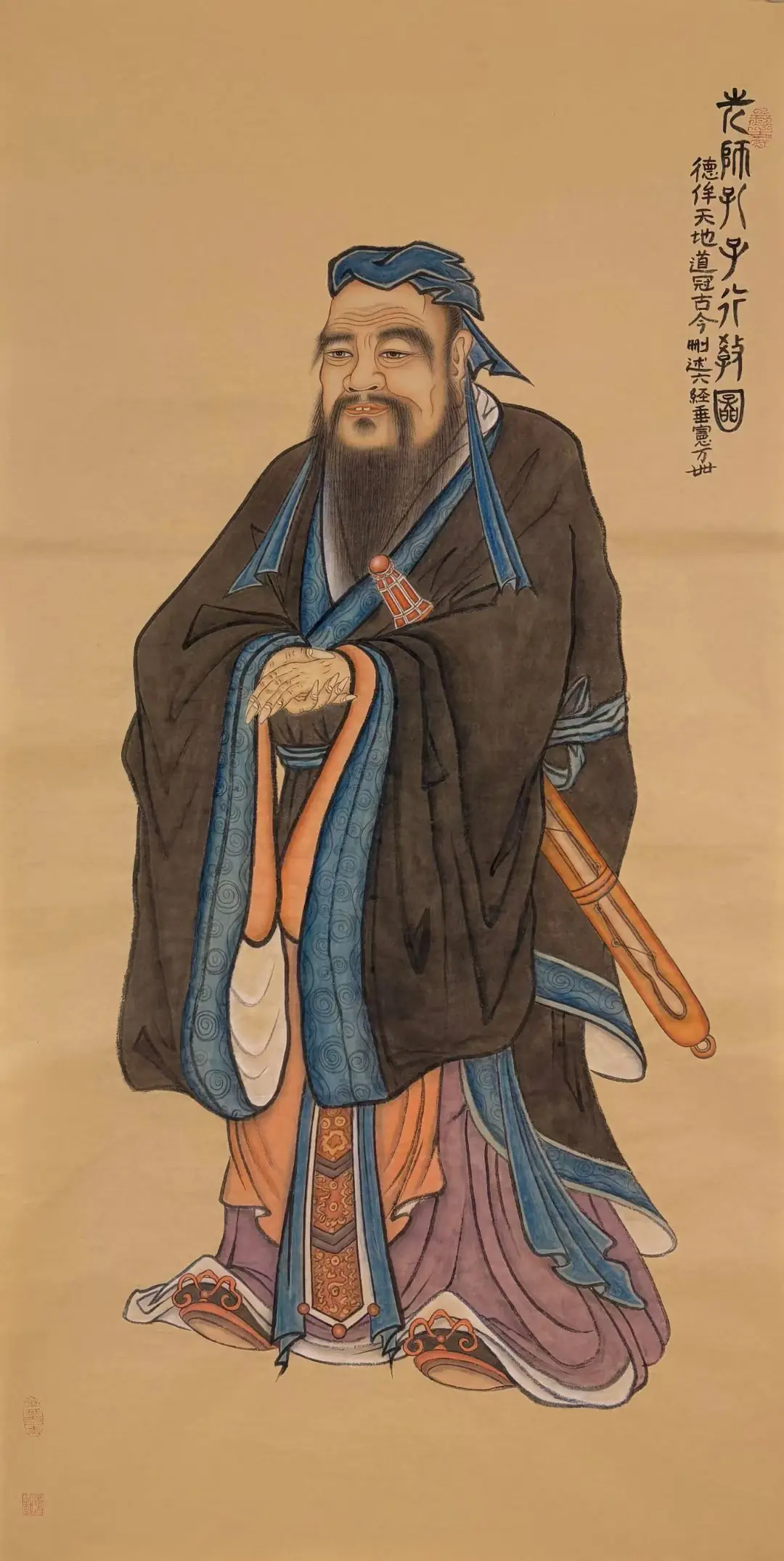
The Original Quote:
子曰:“‘善人为邦百年,亦可以胜残去杀矣。’诚哉是言也!”
Zǐ yuē: “‘Shàn rén wéi bāng bǎi nián, yì kě yǐ shèng cán qù shā yǐ.’ Chéng zāi shì yán yě!”
English Translation:
The Master said: “If a virtuous man were to govern a state for a hundred years, he would be able to overcome cruelty and abolish the need for capital punishment. How true these words are!”
Key Concepts Explained:
- 善人 (shàn rén): A person of profound virtue and benevolence, embodying the ideal of moral leadership through self-cultivation and compassion.
- 为邦 (wéi bāng): To govern a state, emphasizing the ruler’s responsibility to nurture society through ethical action rather than force.
- 胜残去杀 (shèng cán qù shā): To triumph over cruelty and eliminate the need for killing, reflecting the Confucian goal of moral transformation that renders harsh punishments obsolete.
- 仁 (rén): Humaneness or benevolence, the core virtue of Confucianism that inspires a ruler to prioritize the well-being of all people.
Cultural Context:
During the Spring and Autumn period (770–476 BCE), Chinese feudal states were locked in relentless warfare and power struggles, with rulers often relying on force and intimidation. Confucius lamented this erosion of moral governance, contrasting it with the ideal of a virtuous ruler (shàn rén) who, through patient cultivation of virtue over generations, could transform a society plagued by cruelty into one of harmony and peace. This passage reflects a core Confucian belief: that sustained ethical leadership, not punitive law, is the true path to social order. It echoes the philosopher’s broader vision of a society governed by rites (lǐ 礼) and humaneness (rén 仁), where moral influence gradually replaces violence, and the ultimate goal is the “overcoming of cruelty” (shèng cán) through education and example—a timeless ideal that resonates beyond ancient China.