Pinyin: Jiuxiangchong
Aliases
Heidouchong, Guaheichun, Pibanchong.
Source
1Aspongopus chinensisDried body of Dallas.
Distribution
It is distributed throughout China except in the Northeast and Northwest regions, with major production areas in Sichuan, Guizhou, and other locations.
Harvesting and Processing
Captured from November to March of the following year, place in a suitable container, smother with a small amount of wine until dead, remove and dry in the shade; or scald to death in boiling water, remove, and dry.
Medicinal Properties
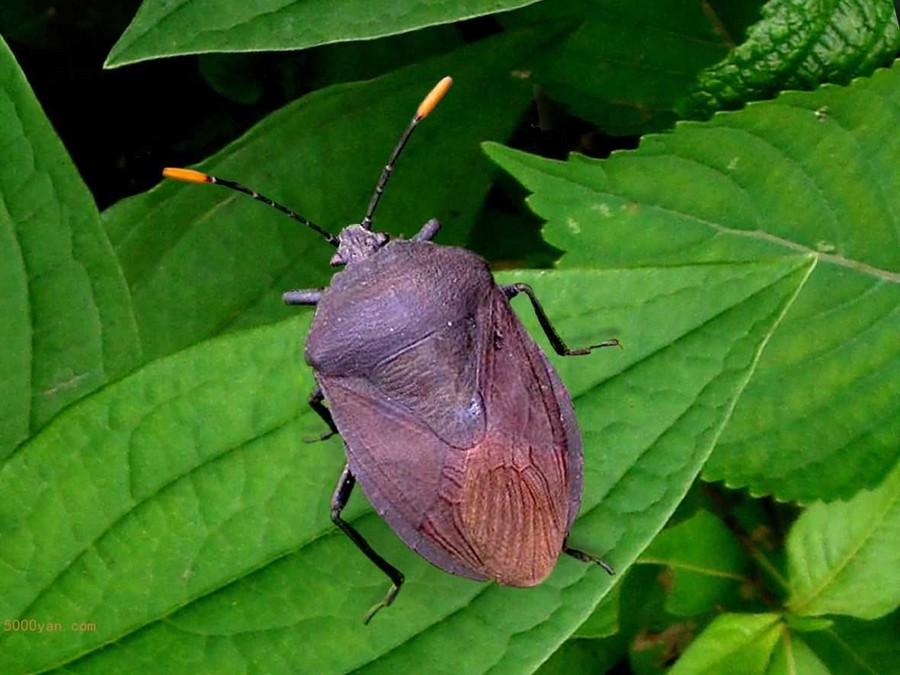
This product is slightly hexagonal and flat-elliptical in shape, 1.6-2 cm long and about 1 cm wide. The surface is brown or brownish-black, with a slight luster. The head is small, roughly triangular with the thorax; compound eyes are prominent and oval-shaped; there is one pair of simple eyes; antennae are one pair, each with five segments, mostly fallen off. On the back are two pairs of wings: the outer pair has a harder base, while the inner pair is membranous and transparent. The thorax has three pairs of legs, mostly fallen off. The abdomen is brownish-red to brownish-black, with small protruding spots near the edge of each segment. The texture is brittle; when broken, the ventral side reveals a light brown internal substance. The odor is distinctive, and the taste is slightly salty.
Chemical Constituents
This product mainly contains fat, protein, and chitin. The fat includes components such as stearic acid, palmitic acid, and oleic acid.
Pharmacology
It appears to have anti-cancer effects and exhibits strong inhibitory effects on various bacteria.
Properties and Channel Entry
Salty, warm. Enters the Liver, Kidney, and Spleen channels.
Functions and Indications
Regulates Qi and alleviates pain, warms the Middle Burner and assists Yang
Dosage and Administration
Oral administration: decocted in water, 3-9 g; or made into pills or powder, 0.6-1.2 g.
Prescriptions
1. For relieving stagnant Qi in the diaphragm and supplementing deficiency of the Liver and Kidney: *Jiuxiangchong* (Aspongopus, half raw and half roasted) 30 g, *Cheqianzi* (Plantago seed, slightly stir-fried) 12 g, *Chenpi* (tangerine peel) 12 g, *Baizhu* (Atractylodes macrocephala) 15 g, *Duzhong* (Eucommia bark, roasted with suet) 24 g. Grind the above into fine powder, mix with honey to form pills the size of *wutong* seeds. Take 4.5 g each time, swallowed with salted plain water or salted wine, on an empty stomach, and take one more dose before bedtime. (From *Shesheng Zhongmiao Fang*, Wulong Pill) 2. For hypochondriac pain due to chronic hepatitis: *Jiuxiangchong* 150 g, *Sansanqi* (Panax notoginseng) 200 g, roasted *Quanxie* (scorpion) 100 g. Grind into extremely fine powder, mix with water to form pills the size of *Suzi* (perilla seeds). Take 1.5 g each time, twice daily (morning and evening), swallowed with boiled water. (From *Application of Insect Drugs*, Ningtong Pill) 3. For asthmatic chronic bronchitis: Roast *Jiuxiangchong* over fire until scorched, grind into powder, mix with egg and stir well, then fry with sesame oil or cottonseed oil (do not use lard). Take once daily, using one egg and one *Jiuxiangchong* per dose. During treatment, avoid lard and smoking. [From *Journal of Henan College of Traditional Chinese Medicine*, 1979, (4): 66] 4. For hemangioma: Take several *Jiuxiangchong*. Using two pairs of forceps, clamp the front half of the insect with one pair and crush the tail end with the other to squeeze out the abdominal contents. Apply the contents directly onto the hemangioma, spreading evenly according to the size of the lesion. Apply 3-4 times daily for several consecutive days. [From *Journal of Traditional Chinese Medicine*, 1987, (11): 40]