Pinyin: Tianzhuhuang
Aliases
Zhuhuang, Tianzhuhuang, Zhugao, Zhutang
Source
Gramineae plant *Bambusa textilis*Bambusa textilisMcClure or Huasilao bambooSchizostachyum chinenseDried mass of the secretory fluid from within the culm of *Bambusa* species such as *Bambusa textilis* McClure (Rendle).
Harvesting and Processing
Harvested in autumn and winter, cut the bamboo stems, extract the bamboo sap, and dry in the shade.
Medicinal Properties
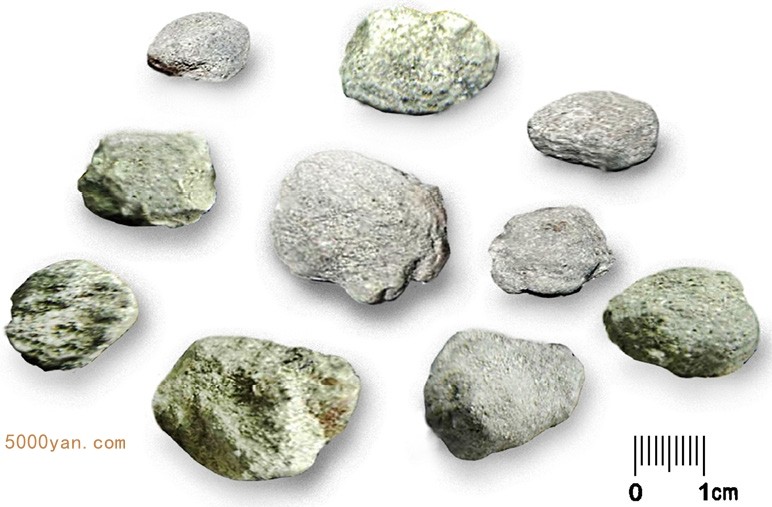
This product consists of irregular pieces or granules of varying sizes. The surface is gray-blue, gray-yellow, or gray-white, with some being pure white, translucent, and slightly lustrous. It is light in weight, hard and brittle, easily broken, and highly hygroscopic. The odor is faint and the taste is bland.
Chemical Constituents
Contains polysaccharides, amino acids, hypocrellin A, hypocrellin B, hypocrellin C, mannitol, stearic acid, bambusicolourin A, bambusicolourin B, and bambusicolourin C.
Properties and Channel Entry
Sweet, cold. Enters the Heart and Liver channels.
Functions and Indications
Clears Heat, expels Phlegm, cools the Heart, and calms fright
Dosage and Administration
Internal: decoct in water, 5-10 g; or made into pills or powder; ground into powder, 0.6-1 g per dose. External: appropriate amount, ground into powder and applied to the affected area.
Precautions and Contraindications
Those with no Damp-Heat or Phlegm-Fire should use with caution; those with Spleen deficiency, Stomach Cold, and loose stools are contraindicated.
Prescriptions
1. For acute asthma: Chenpi 3 g, Banxia (processed) and Tianzhuhuang 4.5 g each, Mahuang (decoct first, skim off foam) 2.1 g, Suzi 1.8 g, Chenxiang (ground into powder, added to decoction) 1.2 g, Xixin 1.5 g, Zhigancao 1.8 g, add two slices of Shengjiang, decoct. (From "Bi Yi Zhi Yao," Mahuang Suzi Tang) 2. For pediatric malnutrition (gan ji): Xionghuang (ground, refined with water) and Tianzhuhuang 6 g each, Qianniuzi (powdered) 3 g, grind together, form into pills with wheat flour paste, size of millet. Take 2-5 pills after meals, with Bohe decoction. For older children, increase the number of pills. (From "Xiao Er Yao Zheng Zhi Jue," Niuhuang Wan) 3. For persistent epistaxis: Tianzhuhuang and Chuanxiong 0.3 g each, Fangji 15 g, grind the three ingredients into a powder. Take 3 g each dose, mixed with freshly drawn water. For lung damage with hemoptysis, take 6 g of the powder with 3 g of raw flour, mixed with water. Take after meals. (From "Sheng Ji Zong Lu," Tianzhuhuang San) 4. Applied to mouth sores: Tianzhuhuang and Yueshi (borax) in equal parts, with a small amount of Bingpian. Grind into powder and apply topically. (From "Jing Yue Quan Shu")