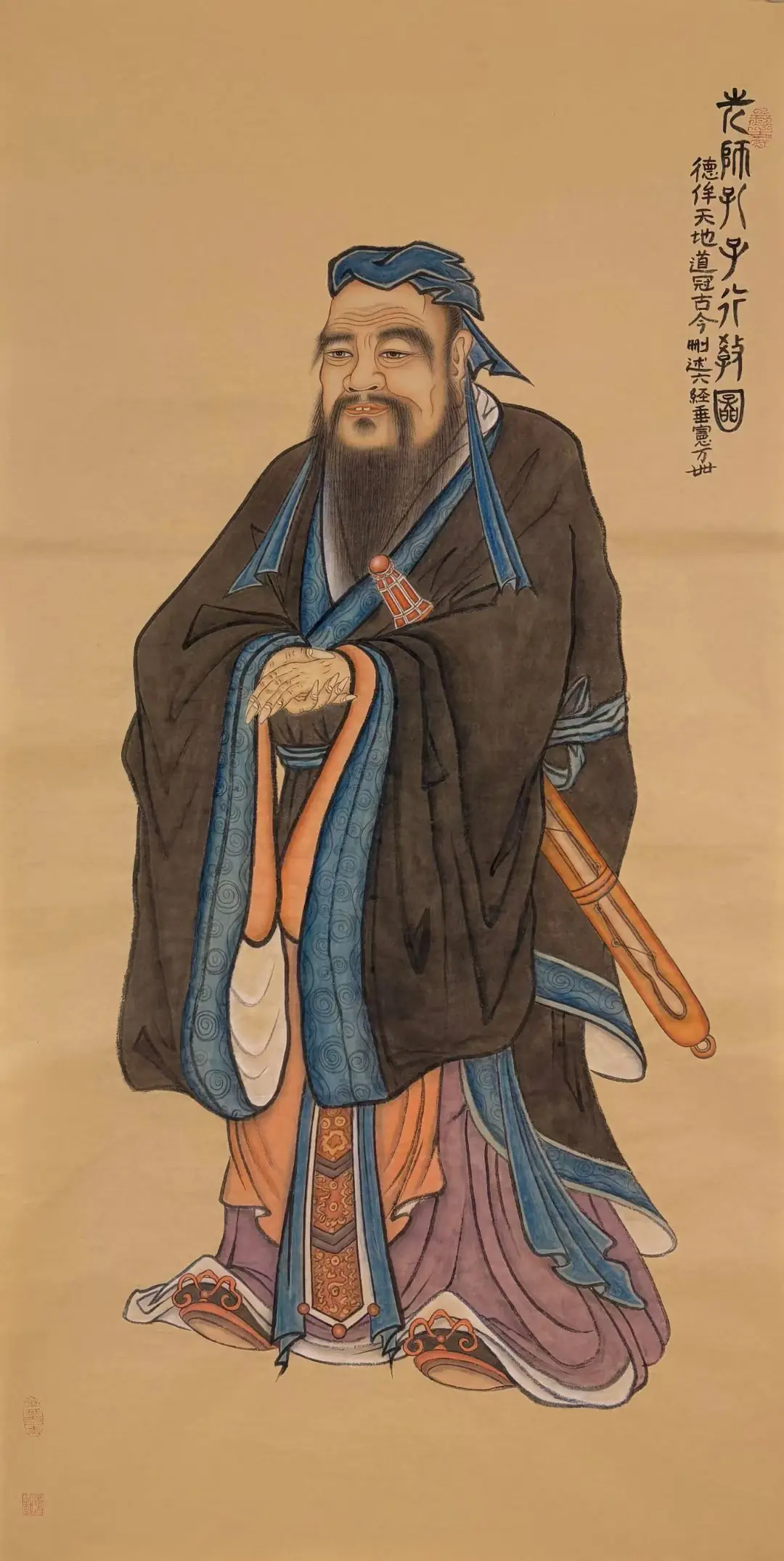
The Original Quote:
季氏旅于泰山。子谓冉有曰:“女弗能救与?”对曰:“不能。”子曰:“呜呼!曾谓泰山不如林放乎?”
Jì Shì lǚ yú Tài Shān. Zǐ wèi Rǎn Yǒu yuē: “Rǔ fú néng jiù yǔ?” Duì yuē: “Bù néng.” Zǐ yuē: “Wūhū! Zēng wèi Tài Shān bùrú Lín Fàng hū?”
English Translation:
The head of the Ji family was about to perform the sacrifice to Mount Tai. The Master said to Ran You, "Can you not avert this?" He replied, "I cannot." The Master then exclaimed, "Alas! Does it mean that the spirit of Mount Tai is less discerning than Lin Fang?"
Key Concepts Explained:
- Li (礼): Ritual propriety, the system of rites and norms that govern both social interaction and spiritual reverence, reflecting the cosmic order. Here, the violation lies in performing a sacrifice reserved for rulers alone.
- Ren (仁): Benevolence or human-heartedness, the inner virtue that animates outward observance of li. The Ji family's act lacks ren by prioritizing ambition over moral order.
- Tian Ming (天命): The Mandate of Heaven, the moral authority that legitimizes rule. By usurping a royal rite, the Ji family defies Heaven's ordinance, suggesting their act will not be blessed.
Cultural Context:
In ancient China, the sacrifice to Mount Tai was a sacred prerogative of the Son of Heaven—the emperor—or, by extension, feudal lords under Zhou rites. Ji Sun, a mere minister of Lu, arrogated this rite, signaling a dangerous breach of hierarchical order. Confucius, rather than rebuking the powerful lord directly, laments ironically that the mountain spirit, like the commoner Lin Fang who once asked about the essence of ritual, would surely reject such a transgression. This episode underscores the Confucian conviction that ritual propriety (li) is not mere form but a moral bulwark against chaos, and that Heaven's judgment, though silent, is just.