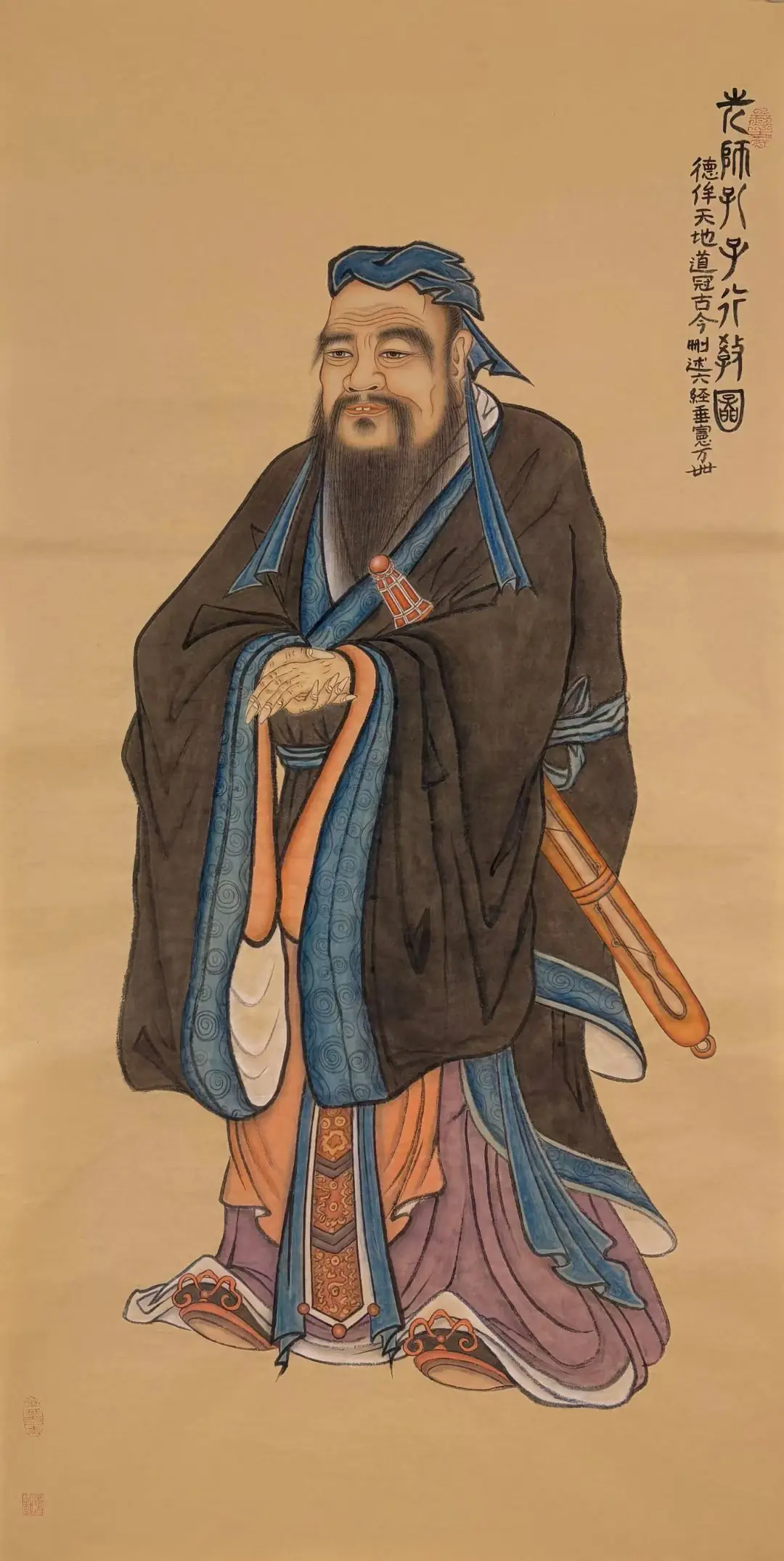
The Original Quote:
或问禘之说。子曰:“不知也。知其说者之于天下也,其如示诸斯乎!”指其掌。
Huò wèn dì zhī shuō. Zǐ yuē: “Bù zhī yě. Zhī qí shuō zhě zhī yú tiānxià yě, qí rú shì zhū sī hū!” Zhǐ qí zhǎng.
English Translation:
Someone inquired about the meaning of the Di sacrifice. The Master replied, "I do not know. One who understands its meaning could govern the world as easily as pointing to this!" And he pointed to his palm.
Key Concepts Explained:
- 禘 (Dì): An ancient imperial sacrifice to ancestors, embodying the highest ritual (礼, lǐ) order. It signified political legitimacy and moral authority.
- 礼 (Lǐ): Ritual propriety; a system of norms, ceremonies, and ethics that maintain social harmony and political order.
- 仁 (Rén): Benevolence or humaneness; the inner virtue that animates proper conduct and ritual observance.
- 命 (Mìng): Mandate or destiny; the cosmic moral order that justifies rightful rule and ritual practice.
Cultural Context:
In Confucian thought, ritual (礼, lǐ) is not mere ceremony but the very fabric of governance. The Di sacrifice, originally exclusive to the Zhou kings, was a solemn rite that reaffirmed ancestral lineage, political hierarchy, and the moral bonds between ruler and subject. By the late Spring and Autumn period, this order had decayed—rulers performed rites without understanding their ethical core, leading to social chaos. Confucius’s cryptic reply and gesture highlight that true mastery of ritual brings effortless governance, yet he refrained from direct criticism of his own state’s ritual violations, observing the principle of "avoiding explicit censure of superiors" (为尊者讳, wèi zūnzhě huì). This passage underscores that any institution—whether a state, organization, or enterprise—must uphold its own "ritual" (礼, lǐ) as the foundation for order, stability, and flourishing.