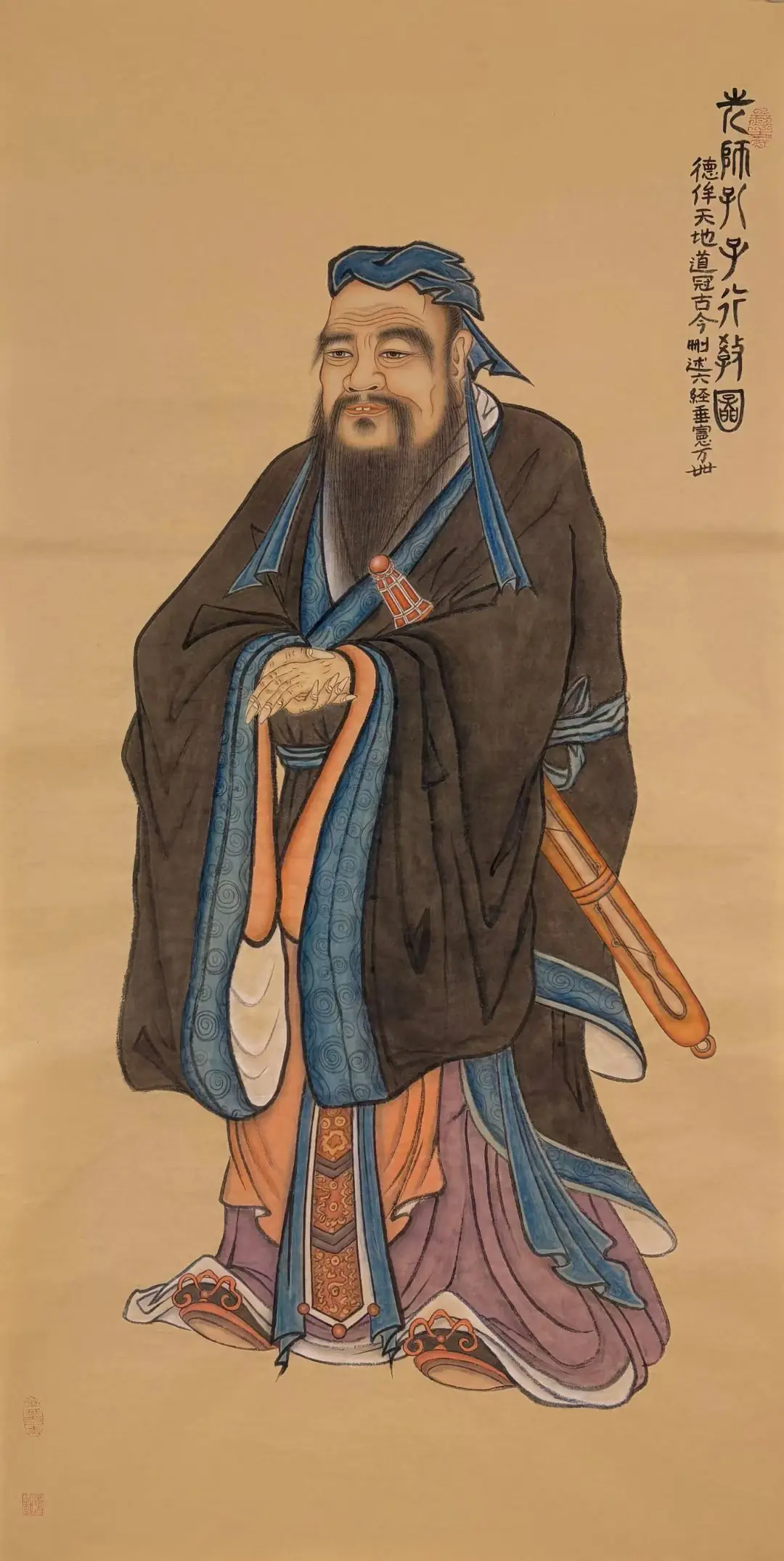
The Original Quote:
子曰:“居上不宽,为礼不敬,临丧不哀,吾何以观之哉!”
Zǐ yuē: “Jū shàng bù kuān, wéi lǐ bù jìng, lín sāng bù āi, wú hé yǐ guān zhī zāi!”
English Translation:
The Master said: “When one in high station is not magnanimous, when one performs rites without reverence, when one attends mourning without grief—how can I bear to behold such a one!”
Key Concepts Explained:
- Rén (仁): Benevolence or human-heartedness, the foundational virtue of Confucian ethics, manifesting as empathy and kindness in leadership.
- Lǐ (礼): Ritual propriety, encompassing rites, customs, and social norms that structure harmonious conduct and governance.
- Kuān (宽): Magnanimity or breadth of mind, signifying tolerance and vision essential for a ruler to attract talents and unify people.
- Jìng (敬): Reverence or sincerity, the inner attitude of respect that authenticates outward ritual actions.
Cultural Context:
This passage from The Analects (Book 3, Chapter 26) critiques rulers who lack essential virtues. In Confucian thought, Lǐ is not mere formality but a practical political strategy: a leader’s magnanimity, reverence, and sincerity foster loyalty and harmony. The historical contrast between Yuan Shao’s narrow-mindedness and Cao Cao’s magnanimity illustrates how Kuān can outweigh sheer force. Confucius thus urges rulers to embody virtue as the bedrock of effective governance, a timeless lesson in leadership ethics.