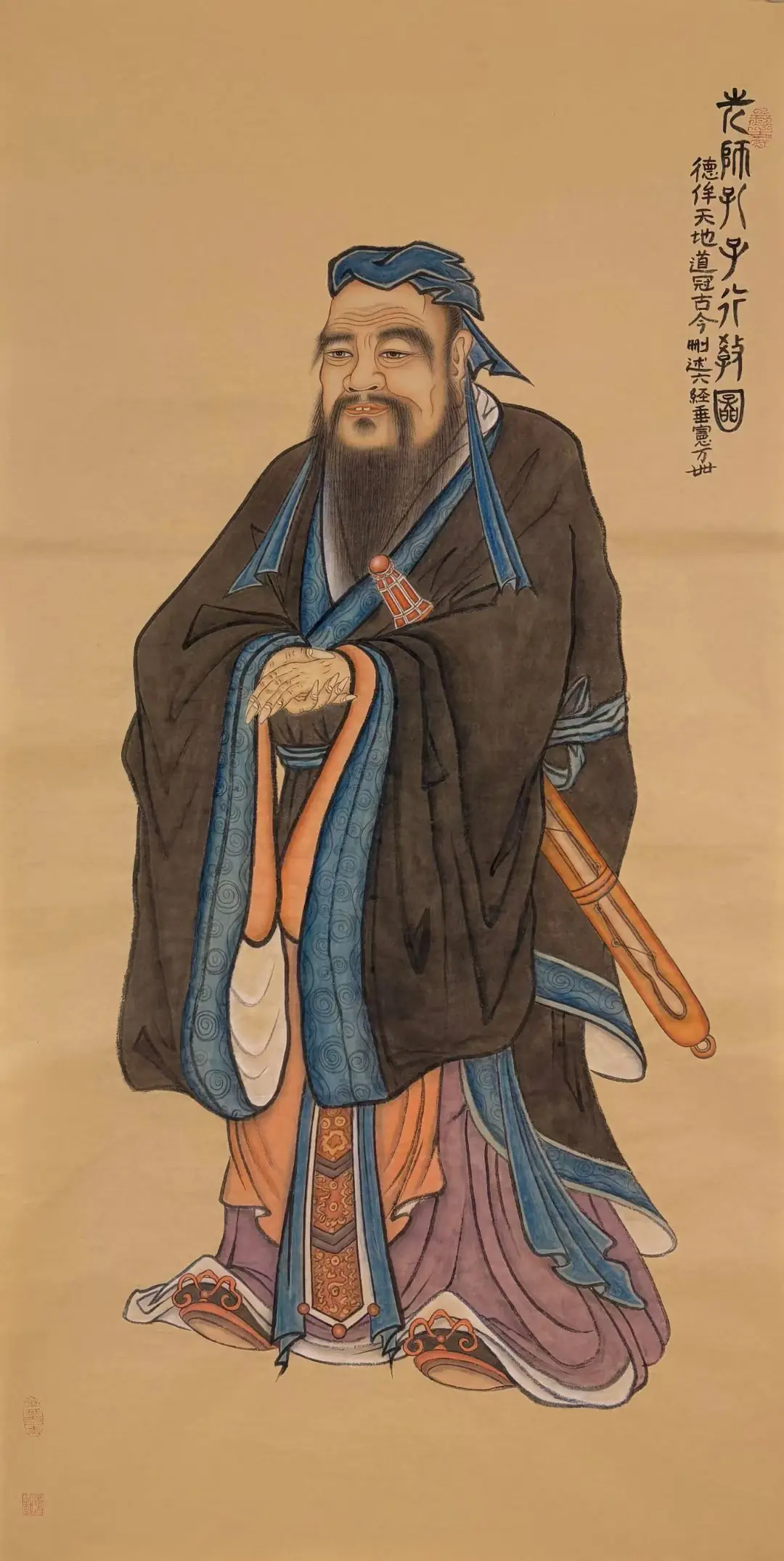
The Original Quote:
哀公问社于宰我。宰我对曰:“夏后氏以松,殷人以柏,周人以栗,曰:使民战栗。”子闻之,曰:“成事不说,遂事不谏,既往不咎。”
Āi gōng wèn shè yú Zǎi Wǒ. Zǎi Wǒ duì yuē: “Xià Hòu shì yǐ sōng, Yīn rén yǐ bǎi, Zhōu rén yǐ lì, yuē: shǐ mín zhàn lì.” Zǐ wén zhī, yuē: “Chéng shì bù shuō, suì shì bù jiàn, jì wǎng bù jiù.”
English Translation:
Duke Ai asked Zai Wo about the altar to the god of the soil. Zai Wo replied, "The Xia clan used the pine, the Yin people used the cypress, and the Zhou people used the chestnut, saying, 'to make the people tremble.'" When the Master heard this, he said, "Matters that are already done need not be explained; actions that are completed need not be remonstrated; what is past need not be blamed."
Key Concepts Explained:
- 命 (Mìng): Mandate or destiny, often referring to the Heavenly Mandate (Tiānmìng) that legitimizes a ruler's authority, as symbolized by the choice of altar wood.
- 礼 (Lǐ): Ritual propriety or social norms, here seen in the proper construction of the altar and the respectful handling of past actions.
- 仁 (Rén): Benevolence or humaneness, reflected in Confucius's advice to avoid dwelling on errors, promoting forgiveness and forward-looking harmony.
- 既往不咎 (Jì wǎng bù jiù): "Let bygones be bygones"—a principle of non-culpability for past mistakes, balancing accountability with compassion.
Cultural Context:
This passage from the Analects (Lúnyǔ) explores the tension between political symbolism and moral governance. The Zhou dynasty's use of chestnut wood (lì) for the altar, interpreted by Zai Wo as a tool to instill fear (zhàn lì, "trembling"), drew Confucius's gentle rebuke. By urging "let bygones be bygones," Confucius teaches that dwelling on past errors—whether of rulers or individuals—hinders growth and harmony. This principle, rooted in the Confucian emphasis on self-cultivation (xiūshēn) and social order, has influenced Chinese attitudes toward history, encouraging both forgiveness and a caution against repeating mistakes. It reflects a pragmatic wisdom: acknowledge the past, but focus on the present and future.