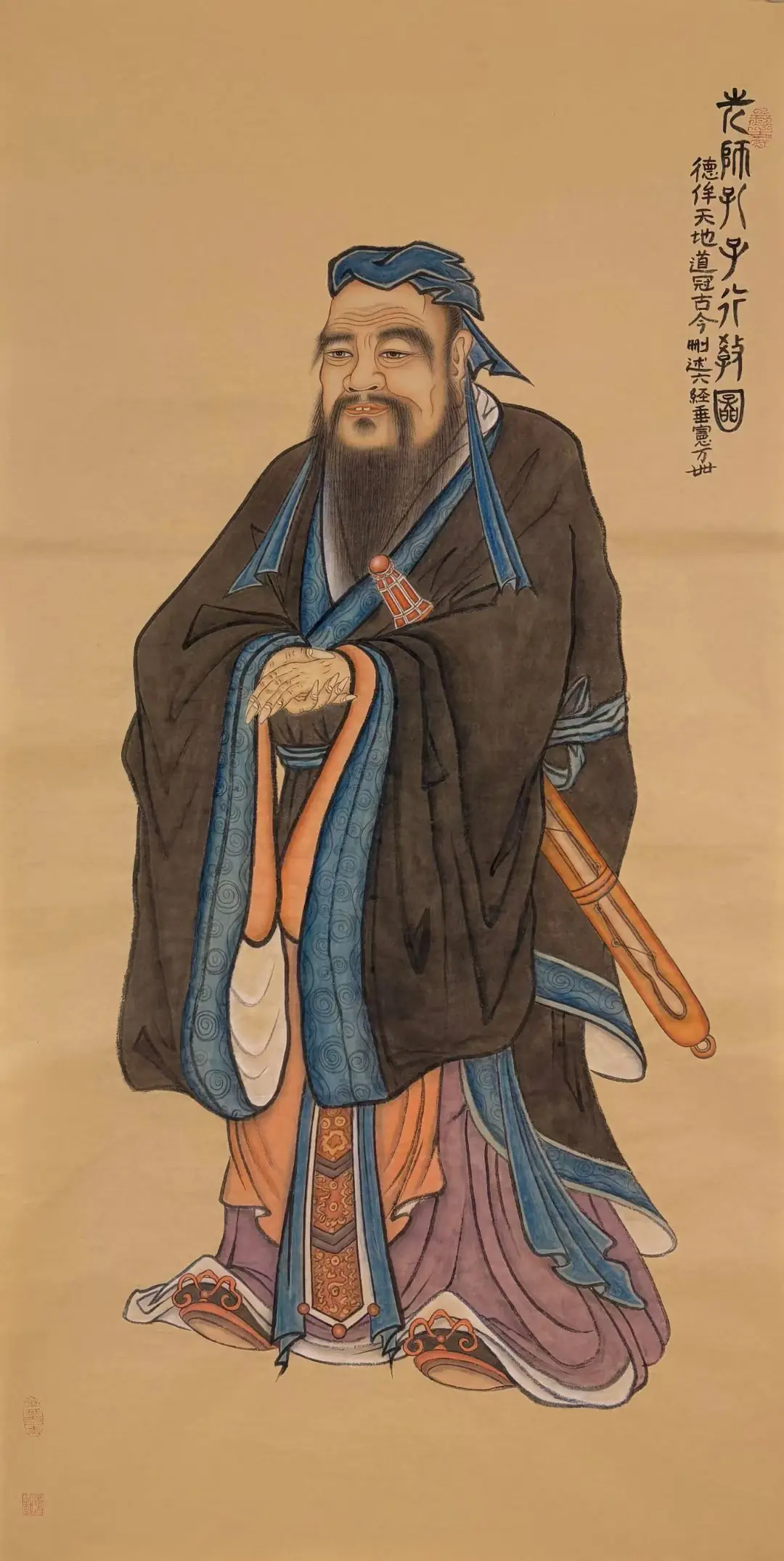
The Original Quote:
林放问礼之本,子曰:“大哉问!礼,与其奢也,宁俭;丧,与其易也,宁戚。”
Lín Fàng wèn lǐ zhī běn, zǐ yuē: “Dà zāi wèn! Lǐ, yǔ qí shē yě, níng jiǎn; sāng, yǔ qí yì yě, níng qī.”
English Translation:
Lin Fang asked about the root of ritual. The Master said, “A great question indeed! In ritual, it is better to be frugal than extravagant; in mourning, it is better to be deeply sorrowful than fastidious in ceremony.”
Key Concepts Explained:
- 礼 (lǐ): Ritual, propriety, or the normative social order. It is not mere formality but the outward expression of inner virtue, rooted in sincerity.
- 仁 (rén): Benevolence, humaneness, or the core virtue of Confucianism. It is the inner moral quality that gives life to ritual acts.
- 命 (mìng): Mandate, fate, or the moral order of heaven. It underscores that true ritual aligns with a deeper cosmic and ethical principle, not personal vanity.
Cultural Context:
This passage from the Analects (Book 3, Chapter 4) reflects Confucius’s critique of the lavish ceremonies of his time, which often masked insincerity. The Spring and Autumn period saw a decline in the moral substance of ritual, with aristocrats prioritizing display over genuine feeling. Confucius here redirects focus to the heart—礼 (lǐ) must be animated by 仁 (rén) and 诚 (chéng, sincerity). For modern English-speaking audiences, this teaches that cultural traditions are meaningful only when they express authentic human connection, not empty pageantry.