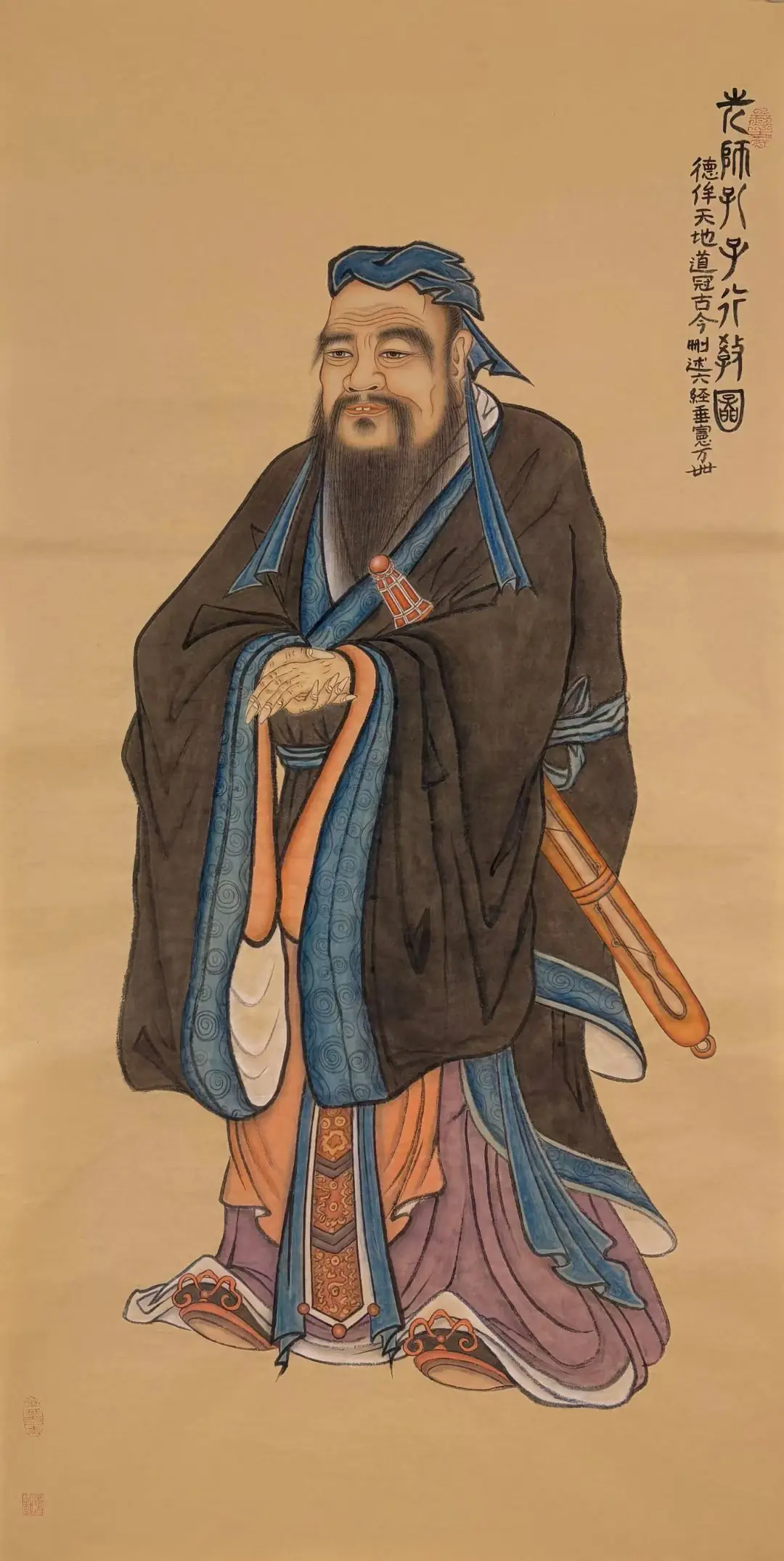
The Original Quote:
子贡欲去告朔之饩羊,子曰:“赐也!尔爱其羊,我爱其礼。”
Zǐgòng yù qù gàoshuò zhī xì yáng, zǐ yuē: “Cì yě! ěr ài qí yáng, wǒ ài qí lǐ.”
English Translation:
Zigong wished to do away with the sacrificial sheep offered at the announcement of the new moon. The Master said, “Ci! You cherish that sheep; I cherish the rite itself.”
Key Concepts Explained:
- Rite (礼, Lǐ): The outer framework of ritual propriety, encompassing ceremonies, customs, and social norms that embody inner virtue and maintain cosmic and social order.
- Benevolence (仁, Rén): The inner virtue of human-heartedness and goodness, which finds expression through the practice of rites and rituals.
- Mandate (命, Mìng): The decree of Heaven, often manifest in the legitimacy of rulership and the proper observance of seasonal and ancestral rites.
- Symbolic Form (儀, Yí): The visible, ceremonial aspect of a rite, which preserves the spirit of the tradition even when inner sincerity wanes.
Cultural Context:
In ancient Zhou tradition, the sovereign would issue the calendar for the coming year to the feudal lords, who would enshrine it in the ancestral temple. On the first day of each month (the “new moon,” 朔), a sheep was sacrificed in the temple to report and receive the mandate for governance. By Confucius’ time, the lords of Lu had ceased to personally attend this ceremony, yet the sheep was still offered as a hollow gesture. Zigong, a pragmatic disciple, proposed eliminating the sheep to save expense. Confucius opposed this, arguing that the surviving form—however empty—still anchored the rite’s spiritual and political significance. To remove the sheep would risk erasing the memory of the rite entirely, undermining the hierarchical bonds (君臣之分) and the very order of the state. This passage underscores Confucius’ conviction that external forms, even when imperfectly observed, serve as vessels for transmitting inner values and preserving cultural continuity.