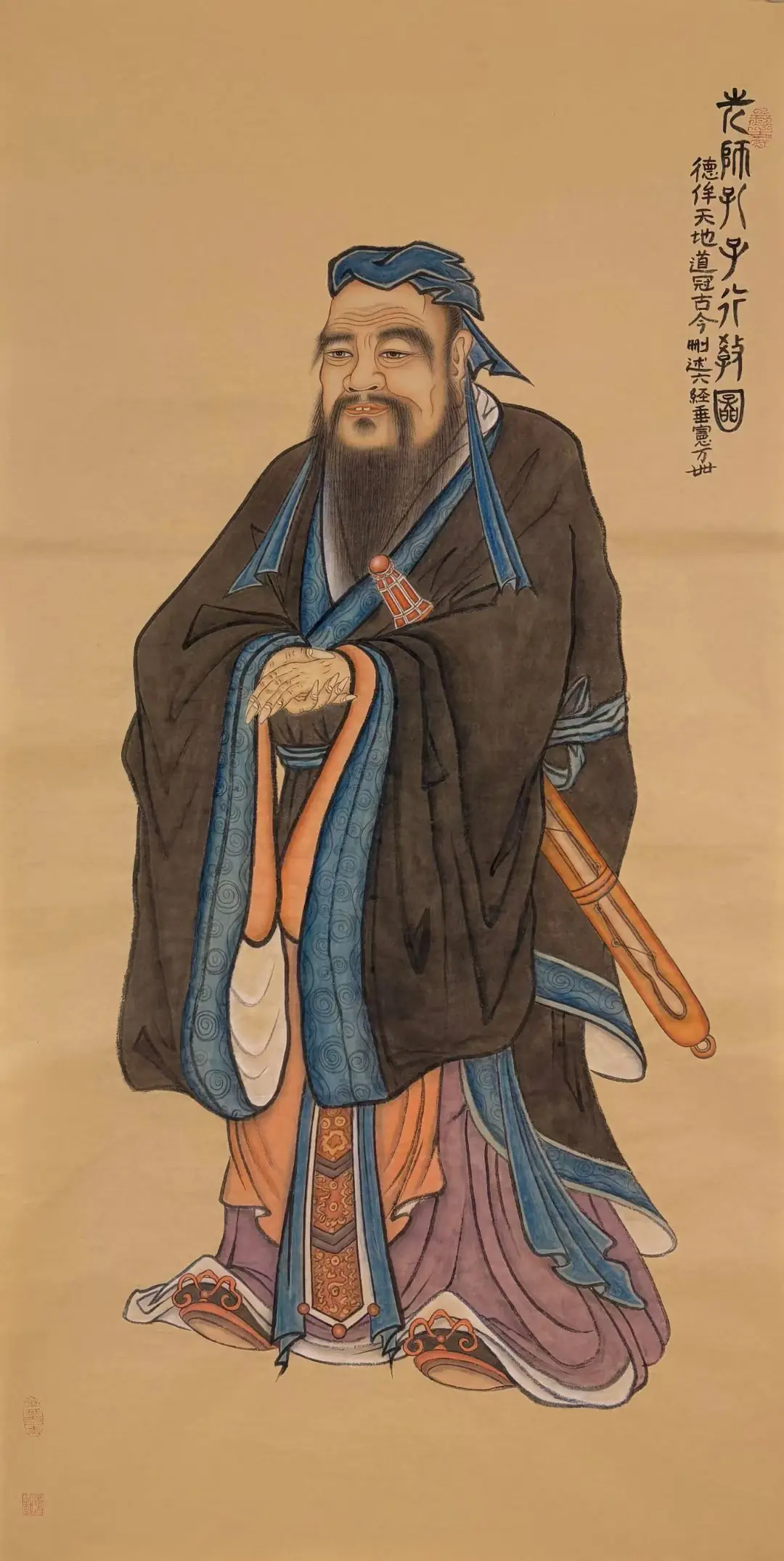
The Original Quote:
子语鲁大师乐,曰:“乐其可知也。始作,翕如也;从之,纯如也,皦如也,绎如也,以成。”
Zǐ yù Lǔ dàshī yuè, yuē: “Yuè qí kě zhī yě. Shǐ zuò, xī rú yě; cóng zhī, chún rú yě, jiǎo rú yě, yì rú yě, yǐ chéng.”
English Translation:
The Master instructed the Grand Musician of Lu on the art of music, saying: “The course of music can indeed be known. When it begins, all instruments resound in harmonious unity; as it unfolds, it becomes pure in tone, distinct in clarity, and continuous in flow, until the piece reaches its completion.”
Key Concepts Explained:
- 礼 (Lǐ): Ritual propriety, the ethical and social order that governs human conduct and ceremonial practices, central to Confucian thought.
- 乐 (Yuè): Music, particularly ceremonial music, regarded as a vehicle for moral cultivation and social harmony, reflecting the inner virtue of individuals and the state.
- 仁 (Rén): Benevolence or humaneness, the core virtue of Confucianism, expressed through harmonious relationships and sincere emotions, as mirrored in music.
- 政 (Zhèng): Governance or statecraft, which Confucius believed should align with the principles of music and ritual to foster order and virtue in society.
Cultural Context:
In Confucius’ time, the Zhou dynasty’s ritual and musical systems were in decline, a condition he lamented as “lǐ bēng yuè huài” (ritual collapse and music decay). This passage reflects his conviction that music is not merely aesthetic but intrinsically linked to moral and political order. Proper ceremonial music, with its structured progression from harmonious beginning to flowing completion, symbolizes the ideal governance—rooted in clarity, continuity, and virtue. Historically, music was used in state rituals to cultivate reverence, inspire unity, and guide public sentiment. Confucius’ teaching here serves as a reminder that cultural forms, like music, can shape ethical character and societal harmony, a principle that resonates in modern ceremonial practices such as national anthems and state events.